
AI Generated Summary
- In July, the State Department announced that H-1B and H-4 visa holders would no longer be able to renew their visas in a third country starting September 2, requiring most applicants to return to their home country instead.
- One Indian professional living in the Detroit suburbs told reporters that he had travelled to India in early December to attend a family wedding, with visa interviews scheduled for December 17 and December 23.
- While the State Department has clarified that existing visa holders and petitions filed before the deadline are not affected by the new fee, the proclamation applies to all new H-1B petitions submitted after September 21, including those entered into the 2026 lottery.
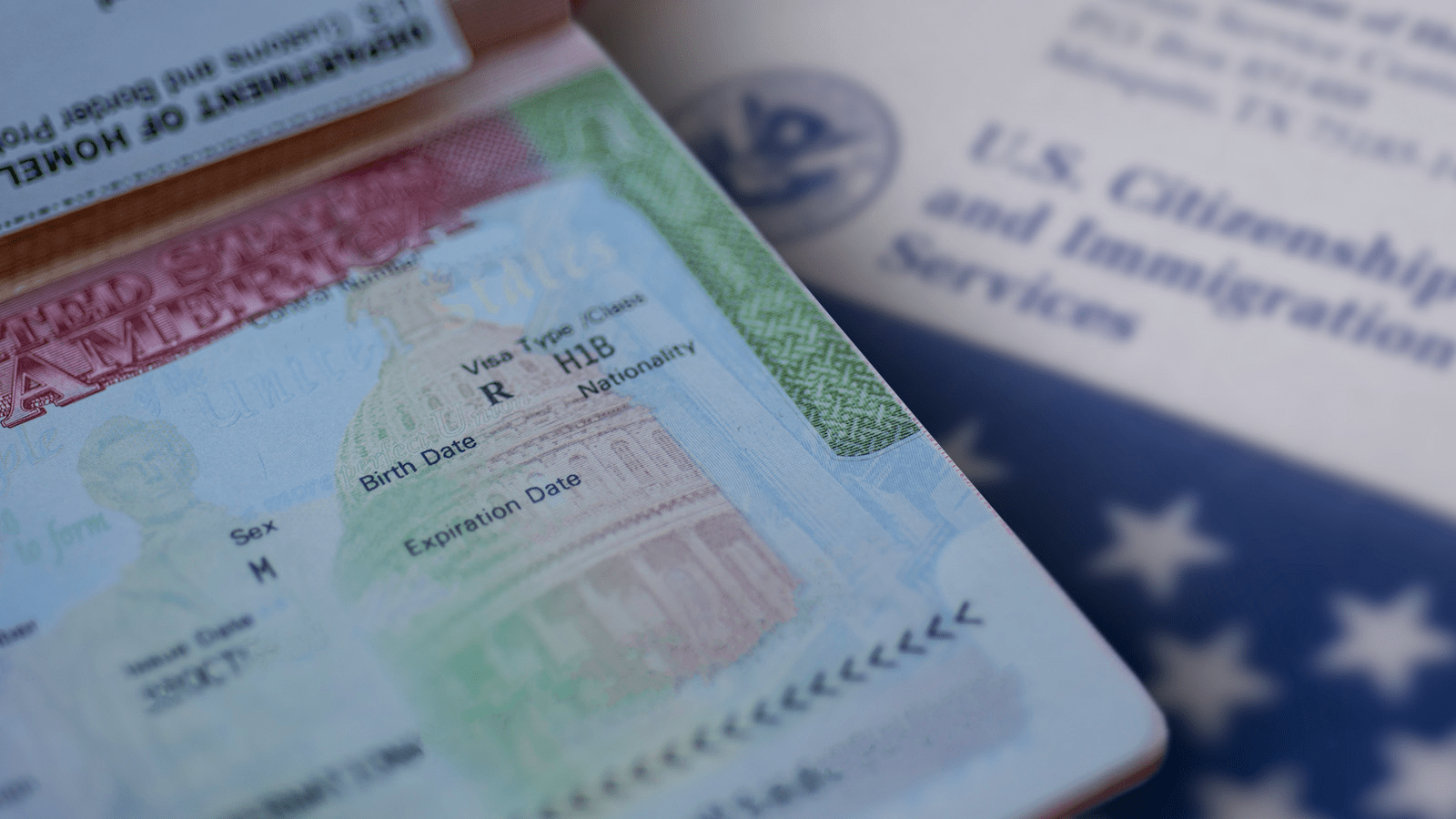
Hundreds of Indian professionals working in the United States are facing unexpected disruption after travelling home this month to renew their work visas, only to find their appointments abruptly postponed by American consular offices. The sudden delays have left many stranded in India, uncertain when they will be able to return to their jobs and families in the US.
According to immigration lawyers cited by international media, visa interviews for Indian holders of H-1B work permits were cancelled or rescheduled between December 15 and December 26, a period that coincided with the US holiday season. The affected workers had travelled to India expecting routine renewals but were informed by email that their appointments could not proceed as planned.
The US State Department told applicants that the postponements were linked to the rollout of expanded social media and online presence checks, introduced under the Trump administration. The enhanced screening, officials said, was intended to ensure that no visa applicant poses a threat to national security or public safety.
Until recently, detailed online vetting was largely limited to student and exchange visitor categories such as F, M and J visas. However, on December 10, the US Embassy in India confirmed that the review process had been broadened to include all H-1B specialty occupation workers as well as their dependents on H-4 visas. The policy took effect on December 15, the same week many appointments began to be cancelled.
Immigration attorneys say the impact has been severe and immediate. Emily Neumann, a partner at a Houston-based immigration firm, said at least 100 of her clients are currently stuck in India due to the delays. Other lawyers practising in India and the US reported dozens of similar cases. “This is the biggest mess we have seen,” said immigration attorney Veena Vijay Ananth. “I’m not sure there is a plan.”
For many workers, the uncertainty is compounded by professional and personal consequences back in the US. One Indian professional living in the Detroit suburbs told reporters that he had travelled to India in early December to attend a family wedding, with visa interviews scheduled for December 17 and December 23. Both appointments have since lapsed, leaving him unable to return to his job.
A spokesperson for the State Department defended the changes, saying US embassies and consulates worldwide are now placing greater emphasis on thorough vetting rather than speedy processing. “While in the past the emphasis may have been on reducing wait times, we are now prioritising comprehensive review of each visa case above all else,” the spokesperson said.
The issue comes at a sensitive time for Indian professionals in the US, who make up the majority of H-1B visa holders. An April 2025 report by US Citizenship and Immigration Services found that Indians account for 71 per cent of all H-1B visas, underscoring how policy shifts can have an outsized impact on the Indian workforce abroad.
Recent policy changes have already narrowed options for renewal. In July, the State Department announced that H-1B and H-4 visa holders would no longer be able to renew their visas in a third country starting September 2, requiring most applicants to return to their home country instead. Weeks later, on September 19, President Donald Trump signed a proclamation imposing a USD 100,000 fee on new H-1B visa applications.
While the State Department has clarified that existing visa holders and petitions filed before the deadline are not affected by the new fee, the proclamation applies to all new H-1B petitions submitted after September 21, including those entered into the 2026 lottery. Employers and prospective workers alike have raised concerns about how these changes will affect hiring and workforce stability.
Immigration lawyers warn that prolonged delays could test employers’ patience. “How long are companies going to be willing to wait for these people?” Neumann asked, noting that many stranded workers hold critical roles in technology, healthcare and engineering.
For now, affected visa holders can do little but wait for new appointment dates and hope that the expanded vetting process moves quickly. As the US tightens scrutiny and raises costs, many Indian professionals are questioning how predictable — and sustainable — their future in the American workforce has become.