


AI Generated Summary
- As Amritsar marked Basant once again, the festival stood as a reminder that traditions endure not merely through ritual, but through shared experience—bringing colour, harmony and optimism to the city with the promise of spring.
- More than a marker of seasonal change, Basant in Amritsar is an expression of shared culture, faith and collective joy as winter loosens its grip and spring announces its arrival.
- Amritsar slipped into shades of yellow and gold on Friday as the city welcomed Basant Panchami, reaffirming a tradition that has flowed through Punjab for generations.
Amritsar slipped into shades of yellow and gold on Friday as the city welcomed Basant Panchami, reaffirming a tradition that has flowed through Punjab for generations. More than a marker of seasonal change, Basant in Amritsar is an expression of shared culture, faith and collective joy as winter loosens its grip and spring announces its arrival.
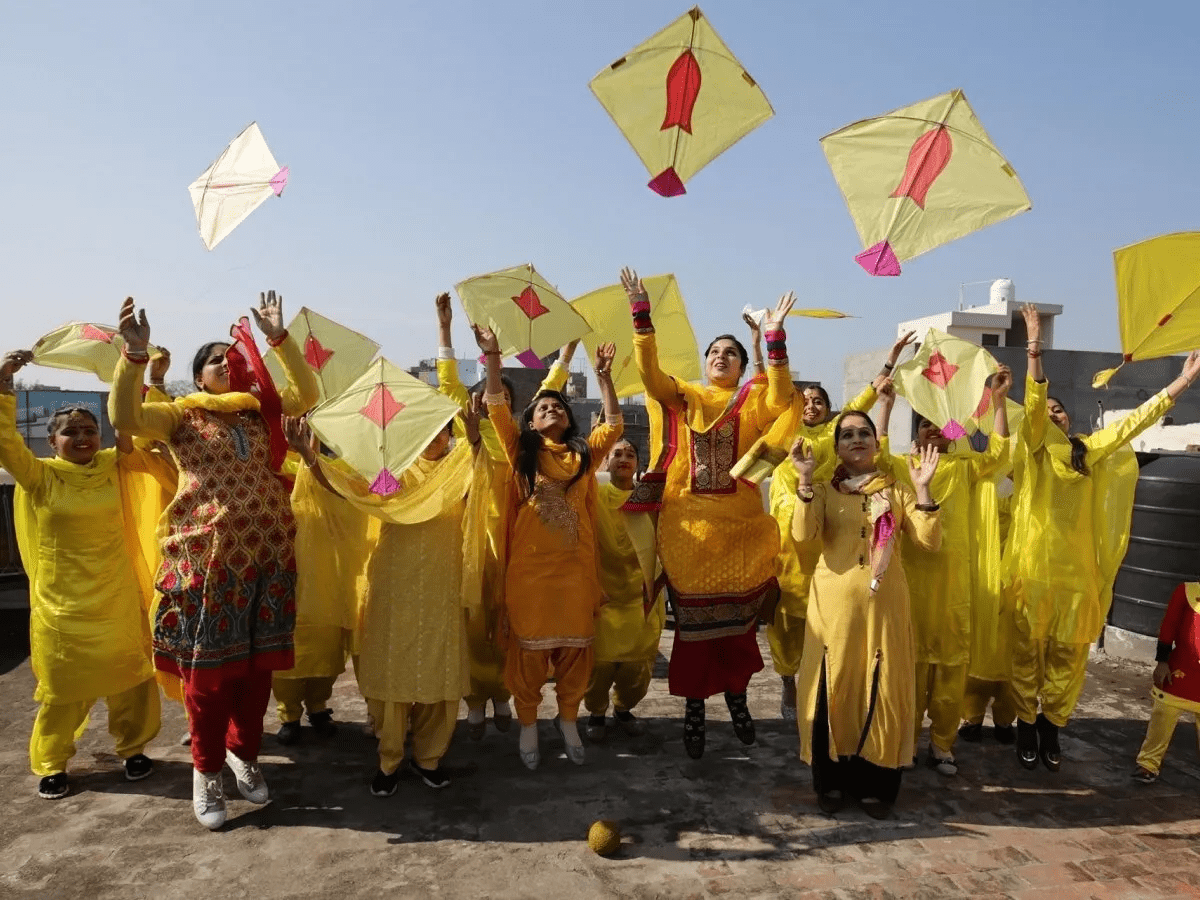
From early morning, rooftops echoed with laughter and music as families gathered to celebrate. Kites dotted the sky, creating a colourful canopy above the city, while homes and markets reflected the festival’s signature hue. Yellow attire, marigold garlands and saffron-tinted sweets lent a warm vibrancy to streets already buzzing with festive energy.
Religious spaces emerged as focal points of the celebration. Gurudwaras across the city welcomed streams of devotees who arrived to take part in holy dips, listen to Basant kirtan and offer voluntary service. The observances drew people from different backgrounds, underlining how Basant transcends religious boundaries to become a collective cultural moment.
At Gurdwara Chheharta Sahib, one of the principal centres of the Basant Mela, the atmosphere was especially festive. The premises were adorned with flowers, while families travelled from various parts of Punjab to enjoy food stalls, swings and the fair-like setting. Similarly, the Golden Temple resonated with the melodies of special Basant Raag kirtan, drawing large gatherings seeking both spiritual reflection and seasonal celebration.
Food remained central to the day’s rituals. Traditional dishes such as sarson da saag and makki di roti were prepared in homes, accompanied by saffron rice, laddoos and jalebis offered at places of worship and shared among neighbours. These culinary customs, passed down through generations, continue to define Basant as much as its visual splendour.
Kite flying, an enduring symbol of the festival, unfolded at a gentler pace this year due to overnight rain. Unlike the competitive spectacles seen across the border, Amritsar’s celebrations leaned towards relaxed rooftop gatherings, where friends and relatives enjoyed music, conversation and the simple pleasure of watching kites rise against the spring sky.
Music added a final, soulful layer to the festivities. Folk songs and classical renditions of Basant Raag echoed through the city. Students from Guru Nanak Dev University’s Department of Visual and Performing Arts presented kirtan and musical performances that captured the essence of renewal and hope associated with the season.
As Amritsar marked Basant once again, the festival stood as a reminder that traditions endure not merely through ritual, but through shared experience—bringing colour, harmony and optimism to the city with the promise of spring.