


AI Generated Summary
- It targets “intentionally engaging in, assisting or encouraging criminal acts” like violence or harassment directed at Muslims or those perceived to be Muslim, along with “prejudicial stereotyping” intended to encourage hatred and “unlawful discrimination” meant to disadvantage them.
- In a nation that prides itself on equality under the law, the UK government has chosen a troubling path.
- Yet British Sikh organisations, led by the Network of Sikh Organisations (NSO), see it for what it is—a threat to religious freedom, free speech, and equal treatment.
In a nation that prides itself on equality under the law, the UK government has chosen a troubling path: creating a bespoke, government-backed definition of “anti-Muslim hostility” while leaving other faith communities to fend for themselves. Last month, Communities Secretary Steve Reed tabled this non-statutory definition alongside a social cohesion strategy, framing it as a necessary crackdown on prejudice. Yet British Sikh organisations, led by the Network of Sikh Organisations (NSO), see it for what it is—a threat to religious freedom, free speech, and equal treatment. Their crowdfunding campaign for a judicial review is not an attack on Muslims; it is a principled stand for one law for all.
The definition itself sounds straightforward at first glance. It targets “intentionally engaging in, assisting or encouraging criminal acts” like violence or harassment directed at Muslims or those perceived to be Muslim, along with “prejudicial stereotyping” intended to encourage hatred and “unlawful discrimination” meant to disadvantage them. The government insists it safeguards free speech and does not criminalise criticism of religion. But vagueness is the trap. Terms like “prejudicial stereotyping” and treating Muslims as a “collective group defined by fixed and negative characteristics” are elastic enough to chill legitimate debate, especially when amplified across schools, universities, councils, workplaces, and online platforms. Allegations falling short of crime but treated like “non-crime hate incidents” turn the process itself into punishment.
‘This is a critical juncture for British Sikhs. We have serious concerns that our Article 9 rights under the ECHR, which protects the right to freedom of thought, belief and religion will be interfered with by the government’s new ‘anti-Muslim hostility’ definition. We also… https://t.co/HME48TfUwR
— Network of Sikh Orgs (@SikhMessenger) April 13, 2026
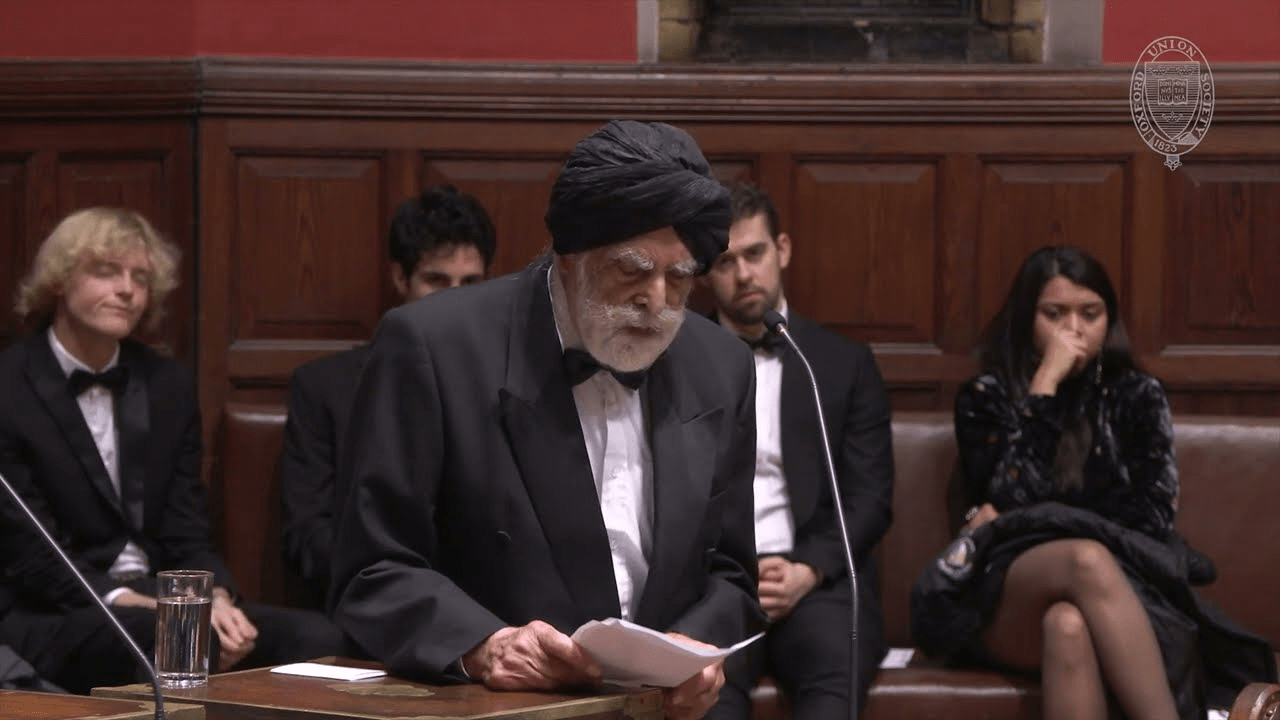
For Sikhs, and others often misidentified as Muslim due to appearance or ethnicity, this is no abstract concern. History matters. Sikhs have faced backlash after events like 9/11, with gurdwaras attacked by both far-right extremists and those motivated by Islamist ideology. Open discussion of doctrinal differences, historical conflicts between Sikhism and Islamic expansion, or critiques of practices like halal slaughter, gender segregation, or blasphemy sensitivities could now be reframed as “hostility.” The NSO rightly warns that this will hinder British Sikhs’ ability to “express and manifest their faith” and “openly discuss their history.” Past incidents, such as the BBC censoring Lord Singh of Wimbledon when discussing Sikh encounters with Islamic extremism, show how such sensitivities already suppress truth-telling.
The deeper injustice lies in the exclusivity. Why a dedicated definition and implied “tsar” for one group when existing criminal laws on violence, harassment, and discrimination already protect everyone? Britain has long rejected religious hierarchies. Sikhism, born in resistance to Mughal persecution and emphasising equality (“one God, one humanity”), teaches that no faith deserves privileged status. The government acknowledges that Sikhs suffer “anti-Muslim hostility” through mistaken identity, yet no Sikh representative sat on the working group. This isn’t inclusion; it’s patronage that breeds resentment. As the NSO asks: if one group merits special treatment, why not others? Equal protection demands parity, not a two-tier system where criticising Islam risks institutional scrutiny while other faiths’ concerns are sidelined.
This move risks violating core rights under the European Convention on Human Rights—Article 9 (freedom of thought, conscience, and religion), Article 10 (freedom of expression), and Article 14 (non-discrimination). A non-statutory definition may lack the precision of law, yet it will permeate public policy, creating de facto censorship. Institutions, eager to avoid accusations, will self-censor. Public interest debates on integration, grooming gangs, parallel societies, or theological critiques could falter under fear of being labelled hostile. Free speech dies not by outright ban but by chilling effect—and minorities like Sikhs, who value robust debate and have historically championed it, suffer most.
The NSO’s judicial review, joined by the Free Speech Union and allies from other faiths, is a necessary correction. Their Crowdfunder has already gained traction because many recognise the stakes: a Britain where faith communities compete for victim status rather than coexist under shared rules. True social cohesion comes from applying the same standards to all—tackling actual crimes without fear or favour, not inventing bespoke shields that divide.
Minister Reed claims the definition balances protection with liberty. But good intentions do not excuse unequal application. Sikhs are not seeking special privileges; they demand the government abandon this ill-conceived hierarchy. One law for all is not bigotry—it’s the bedrock of a free, fair society. Britain’s diverse faiths, including its vibrant Sikh community, deserve better than policy that fragments rather than unites. The courts should heed this challenge and strike down a definition that threatens the very pluralism it claims to defend.
Support for the NSO’s campaign isn’t about siding against Muslims; it’s about defending the principle that no government should pick favourites among faiths. In doing so, we protect the open society that allows all beliefs—including criticism of them—to flourish.