


AI Generated Summary
- Punjab and India as a whole stand ready to capitalise on this fresh momentum for shared prosperity in the years ahead.
- They finalised the terms of reference for negotiations on a Comprehensive Economic Partnership Agreement (CEPA), aiming to conclude the pact by the end of 2026.
- Leading a delegation to New Delhi, Mumbai, Chandigarh and Bengaluru, he highlighted British Columbia’s strengths in liquefied natural gas, critical minerals, sustainable lumber and technology.
The recent visits in this year by British Columbia Premier David Eby and Prime Minister Mark Carney to India have injected fresh energy into Canada-India relations. The bilateral partnership has suddenly gained remarkable steam, with concrete progress in trade, energy, education, and technology. For both Canada and India, these developments open promising avenues for collaboration and growth.
Premier Eby’s trade mission in January set the tone. Leading a delegation to New Delhi, Mumbai, Chandigarh and Bengaluru, he highlighted British Columbia’s strengths in liquefied natural gas, critical minerals, sustainable lumber and technology. As India’s top trading partner within Canada, British Columbia is well positioned to expand these links. The mission focused on attracting investment and creating mutual opportunities at a time when both economies seek greater diversification.
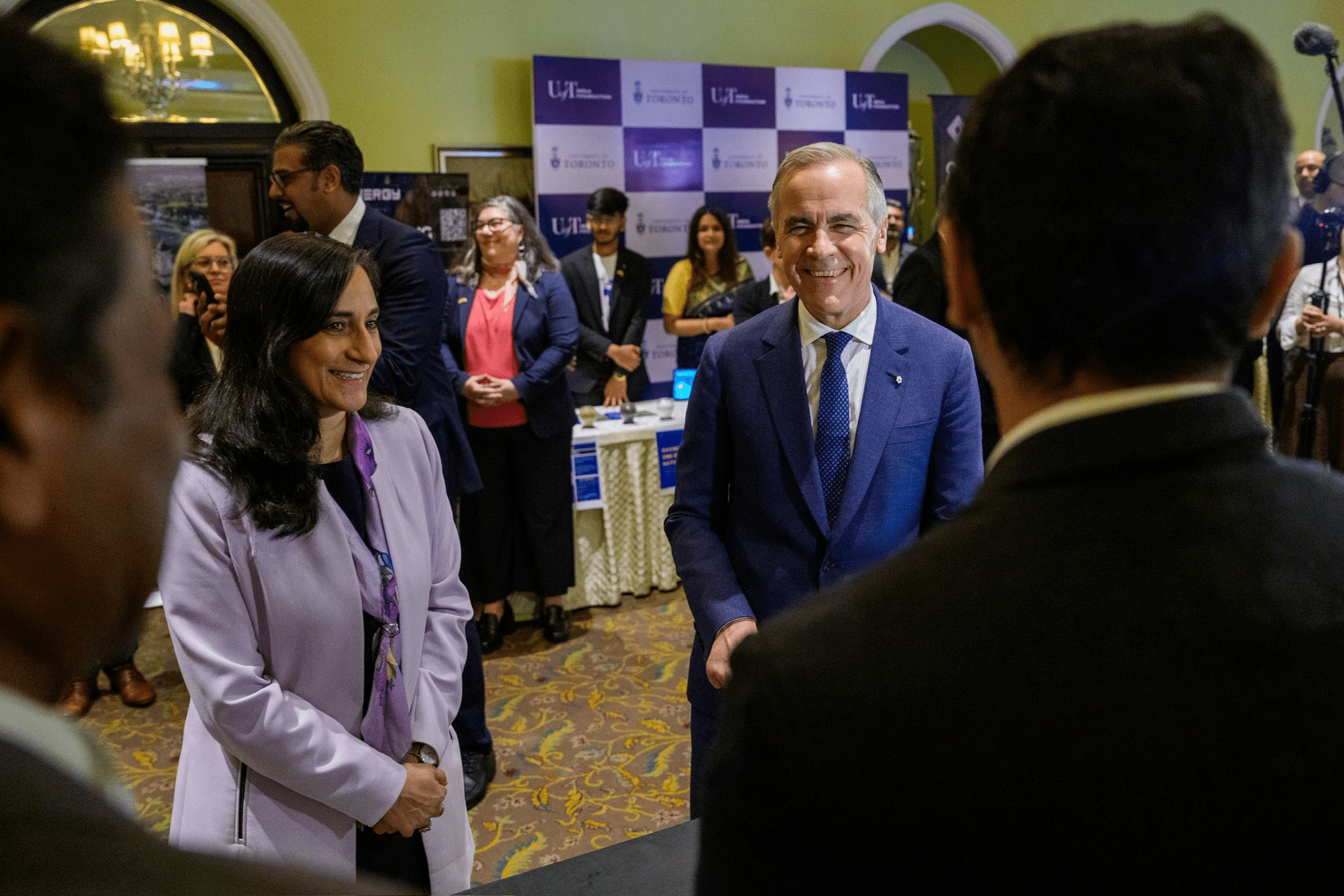
This momentum accelerated with Prime Minister Mark Carney’s official visit to India from February 27 to March 2. In meetings with the Indian Prime Minister in New Delhi, the two leaders advanced ambitious economic goals. They finalised the terms of reference for negotiations on a Comprehensive Economic Partnership Agreement (CEPA), aiming to conclude the pact by the end of 2026. The target is bold: boosting two-way trade significantly, with discussions pointing toward a goal of around $50-70 billion in the coming years. In 2024, bilateral merchandise trade stood at approximately $13.3 billion, with services adding further depth, particularly in education and IT.
Energy cooperation has emerged as a cornerstone of this renewed partnership. During Carney’s visit, India and Canada signed a landmark 10-year uranium supply agreement valued at $2.6 billion. Under the deal, Canada’s Cameco will supply roughly 22 million pounds of uranium starting in 2027, supporting India’s expanding nuclear energy programme and plans for small modular reactors. A new Strategic Energy Partnership further broadens collaboration to include LNG, hydrogen, solar power and critical minerals—areas where Canada’s resources complement India’s growing demand for clean and reliable energy.
Education and people-to-people connections continue to thrive and have received fresh impetus. With hundreds of thousands of Indian students pursuing higher education in Canada, the relationship builds lasting bridges. Punjab has been a significant contributor to this flow, with young talent gaining expertise in fields like engineering, agriculture, business and information technology. New initiatives announced around the visits include expanded university partnerships, joint research programmes and scholarships that will create even more opportunities for Indian—and particularly Punjabi—youth.
Technology and innovation are also gaining traction. Agreements on artificial intelligence, quantum computing and space collaboration, alongside increased presence of Canadian and Indian firms, promise high-value economic activity. Canadian investment in India, already substantial, is expected to grow as barriers ease and confidence builds.
Following Eby’s groundwork and Carney’s high-level engagements, Canada-India ties have clearly taken on new steam. Both countries are focusing on pragmatic, forward-looking cooperation that leverages complementary strengths: Canada’s natural resources, clean technology and expertise paired with India’s vast market, skilled workforce and rapid economic expansion.
For Punjab, the benefits could be especially meaningful. The state’s strong diaspora connections in British Columbia and across Canada provide a ready network for investment, mentorship and joint ventures. Potential areas include agri-tech exchanges, food processing, renewable energy projects and skill development programmes that can directly support local farmers, entrepreneurs and young professionals.
The visits by Premier Eby and Prime Minister Carney have not only deepened engagement but also demonstrated a clear commitment to building a resilient economic partnership. As global uncertainties persist, this renewed focus on trade, energy and talent mobility offers a stable and mutually beneficial path. Punjab and India as a whole stand ready to capitalise on this fresh momentum for shared prosperity in the years ahead.