


AI Generated Summary
- A Sikh of the Guru is not just for himself, but a message for the entire world—that true strength does not lie in the sword, but in the purity of thought and the sincerity of actions.
- If Sikh history and tradition are understood deeply, it becomes clear that a “Sikh of the Guru” is not merely a religious identity, but a profound way of life rooted in peace, service, and humanity.
- In recent days, during a large gathering of non-Sikhs, when he narrated the sacrifices of Guru Tegh Bahadur Ji and his family, it is hard to imagine that there was a single person whose eyes did not fill with tears.
From Guru Nanak Dev Ji, the founder of Sikhism, to the tenth Guru Guru Gobind Singh Ji, the Sikh Gurus consistently preached the message of peace and harmony. Guru Nanak Dev Ji traveled thousands of miles, inspiring the world to resolve every issue through dialogue. The era of martyrdom began with Guru Arjan Dev Ji, and later Guru Hargobind Sahib Ji took up arms to confront oppression—not one but two swords, symbolizing Miri and Piri. Miri represented temporal authority and the defense of justice, while Piri symbolized spirituality, devotion, and the path of the Guru.
When Guru Gobind Singh Ji established the Khalsa Panth, he included the Kirpan among the five Ks for every initiated Sikh. At the same time, he gave a clear message: it is to be used only against ظلم (oppression) and injustice, never against the unarmed or the helpless.
If Sikh history and tradition are understood deeply, it becomes clear that a “Sikh of the Guru” is not merely a religious identity, but a profound way of life rooted in peace, service, and humanity. In today’s times, when society is witnessing growing tension, division, and intolerance, the teachings of the Gurus have become even more relevant. The Sikh Gurus always placed humanity above all else.
A true Sikh never walks the path of hatred, violence, or division. Their foremost duty is to promote love, service, and harmony in society. The tradition of Langar in Gurdwaras is the greatest example of this, where people of all castes, religions, classes, and nations sit together and share a meal. It is, in itself, a powerful message of universal brotherhood.
In today’s world, where religion is often misused to fuel extremism and conflict, it is even more important for Sikhs to understand their true identity and live by it. Whether on social media or in public life, spreading messages of peace, patience, and truth is the truest form of “Seva.” Even today, many Sikhs not only follow the path shown by the Guru but also inspire others to do the same.
One such name is Sardar Gurlad Singh Kahlo, who has dedicated his entire life to service. I still remember how, during the disaster in Kedarnath and Badrinath, he, along with his team, served tirelessly for days and helped save many lives. During COVID-19, without caring for his own safety, he even organized oxygen langars to save lives. His organization is actively working for peace and harmony not only in India but also abroad. Recently, during the outbreak of conflict, he was among the first to step forward to help the people of Iran, after which many others also joined in support.
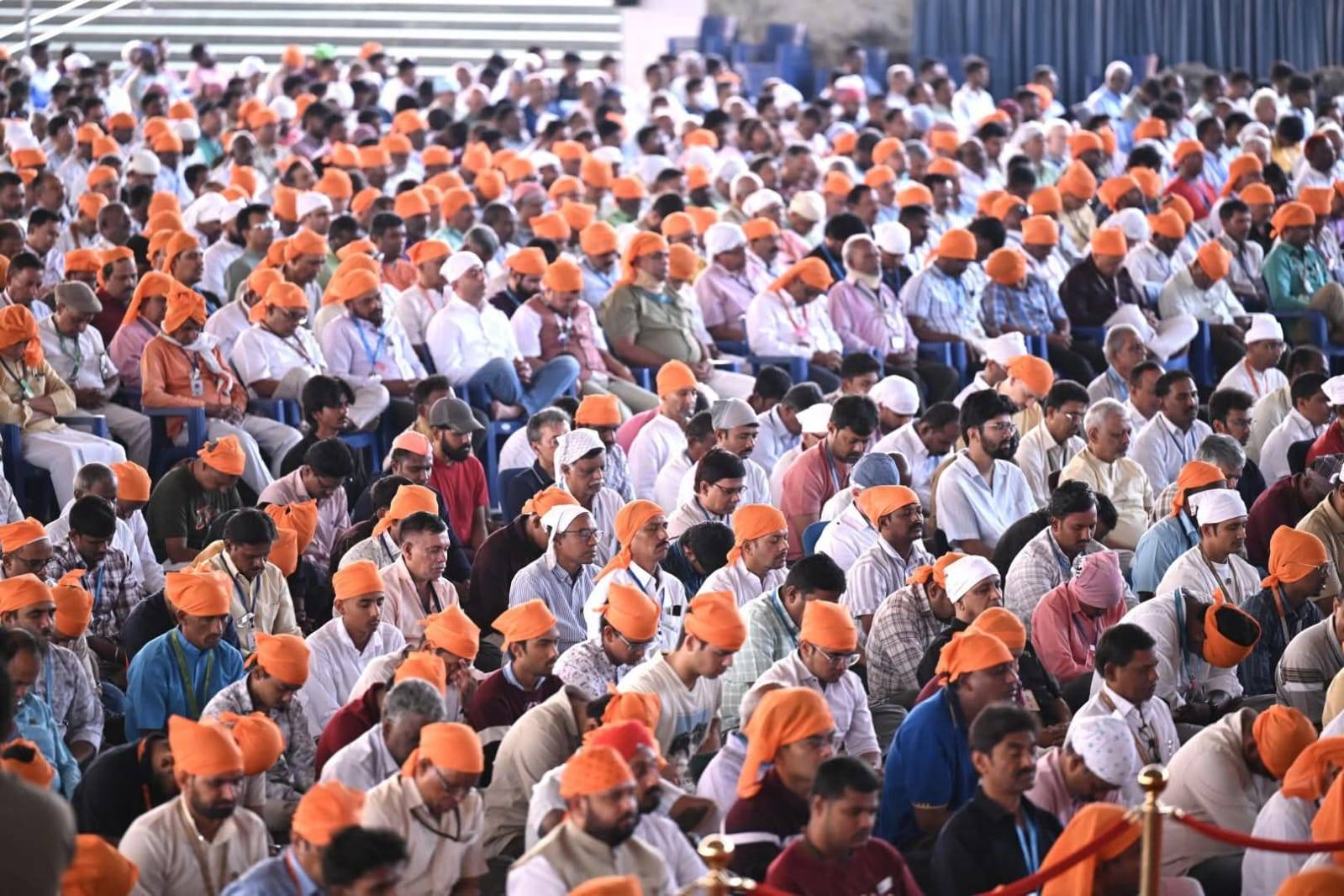
In recent days, during a large gathering of non-Sikhs, when he narrated the sacrifices of Guru Tegh Bahadur Ji and his family, it is hard to imagine that there was a single person whose eyes did not fill with tears.
A Sikh of the Guru is not just for himself, but a message for the entire world—that true strength does not lie in the sword, but in the purity of thought and the sincerity of actions. This is the path that leads to peace and harmony, and it is a path that everyone should strive to follow.