


AI Generated Summary
- Every November on Gurpurab, as kirtan echoes through the courtyards of Nanak Ayaan, the global Panth is reminded both of Guru Nanak Dev Ji’s timeless grace and our enduring duty to stand with the marginalized Sikhs keeping the flame of Sikhi alive in the Guru’s own birthplace.
- For every Sikh across the globe, Sri Nankana Sahib is the beating heart of our spiritual heritage—the sacred soil where Guru Nanak Dev Ji manifested in 1469 to illuminate a darkened world with the message of Ik Onkar.
- Long before the birth of the First Master, the settlement was known as Rai-Bhoi-Di-Talwandi, an estate founded by Rai Bhoi, a local Rajput landlord.
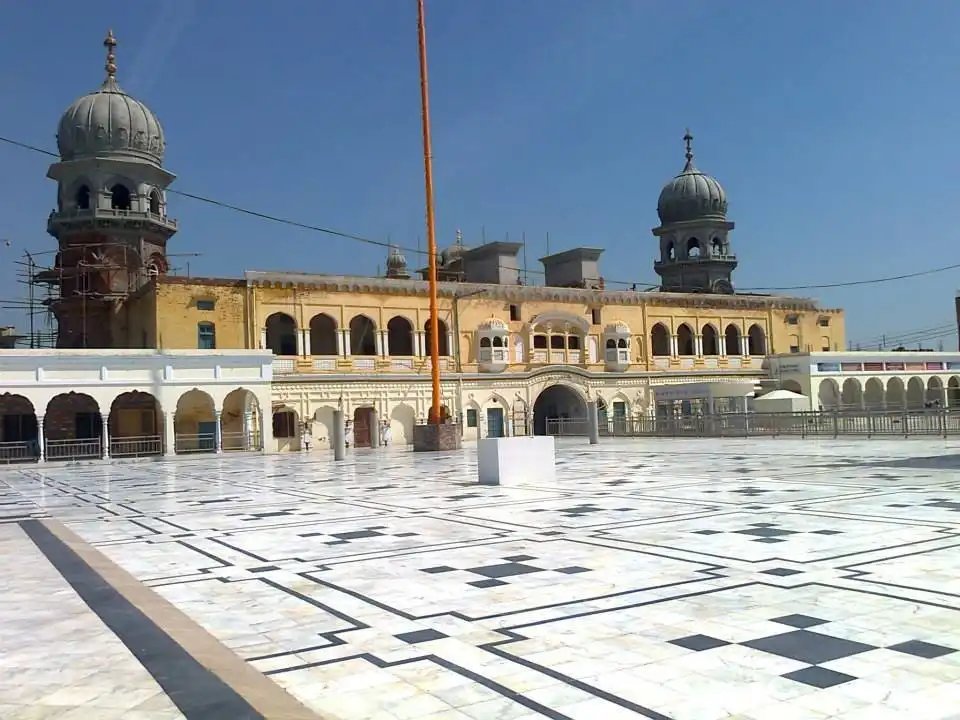
For every Sikh across the globe, Sri Nankana Sahib is the beating heart of our spiritual heritage—the sacred soil where Guru Nanak Dev Ji manifested in 1469 to illuminate a darkened world with the message of Ik Onkar. Today, standing eighty kilometers west of Lahore in West Punjab, its gleaming white domes and golden spires remain a timeless beacon for the Panth. Yet the story of how this humble settlement became Nanak Ayaan—and the sobering reality facing the dwindling Sikh Sangat living there today—is a poignant chapter of devotion, sacrifice, and survival.
Long before the birth of the First Master, the settlement was known as Rai-Bhoi-Di-Talwandi, an estate founded by Rai Bhoi, a local Rajput landlord. Within a modest mud-brick home—affectionately remembered in Sikh tradition as Kalu ka Kotha—Mehta Kalu Ji and Mata Tripta Ji welcomed the child who would reshape spiritual history. As young Nanak grew, his divine radiance, fearless truth, and soul-stirring Bani transformed the village. Even Rai Bular Bhatti, Rai Bhoi’s great-grandson and the estate’s ruler, recognized the Guru’s supreme spiritual stature, gifting vast tracts of land in reverence. Out of deep love for the Master, the village came to be known as Nanakayan—or Nanak Ayaan, uniting Guru Nanak’s name with ayan, meaning sacred abode or sanctuary. Over generations, Nanakayan evolved on Punjabi tongues into Nankana, honored eternally with the title Sahib.
Subsequent Gurus, including Guru Arjan Dev Ji and Guru Hargobind Sahib Ji, sanctified the town with their visits. Centuries later, Sher-e-Punjab Maharaja Ranjit Singh commissioned the grand Gurdwara Janam Asthan directly over the birth chamber, establishing enduring jagirs for its upkeep. Yet the Panth’s right to serve its holiest shrine was ultimately sealed in blood. Under British colonial rule, corrupt mahants desecrated the sanctity of the Gurdwara. On February 20, 1921, peaceful Akali Jathas led by Shaheed Bhai Lachhman Singh Dharowali entered the complex to restore Gurmat Maryada. Locked inside and ambushed, scores of unarmed Gursikhs embraced shaheedi in Saka Nankana Sahib—a supreme sacrifice that awakened the Panth and led to the historic Gurdwara Reform Act.
The Partition of 1947 tore the Panth from its birthplace, leaving millions of Sikhs separated from Nankana Sahib by an international border. More troubling still is the stark marginalization of the Sikh community remaining inside Pakistan today. Once numbering around two million across the region before 1947, Pakistan’s Sikh population has plummeted to roughly 16,000—a tiny, vulnerable minority fighting to preserve its Sikhi and dignity. Across Pakistan, local Sikhs face systemic discrimination, economic exclusion, targeted violence, and the persistent threat of abduction and forced conversions of young Sikh women, while hundreds of historic Gurdwaras lie abandoned or encroached upon.
Even amidst this demographic decline, the resilience of the local Sangat shines through. Every November on Gurpurab, as kirtan echoes through the courtyards of Nanak Ayaan, the global Panth is reminded both of Guru Nanak Dev Ji’s timeless grace and our enduring duty to stand with the marginalized Sikhs keeping the flame of Sikhi alive in the Guru’s own birthplace.