


AI Generated Summary
- Some will say that any operation touching a place of worship is fraught, and that a killing inside a mosque will be read by many as a violation of sacred space whatever the circumstances.
- A mosque is not a sanctuary from the law, and the sequence here, repeated appeals followed by return fire only after the suspect opened fire, shows a state that acts with both firmness and fairness.
- If that assessment holds, the encounter is a big blow to terrorism in the Valley and closes a chapter in a long campaign.
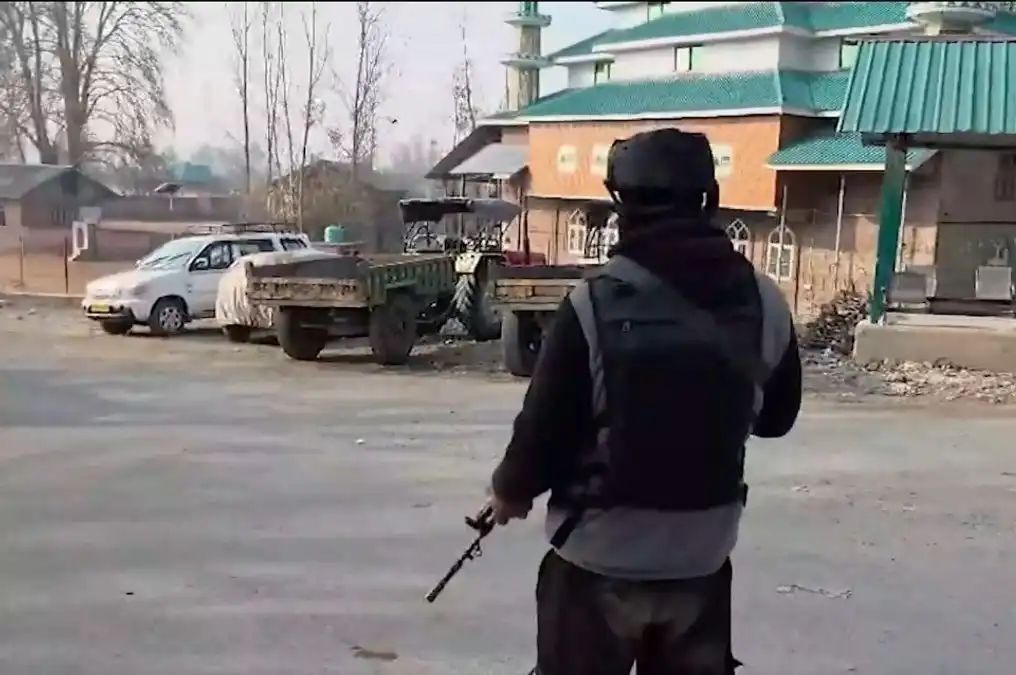
In Zangalpora village in South Kashmir, Lashkar-e-Taiba commander Lateef Bhat had taken refuge inside a mosque. Army and police personnel chose persuasion first. They urged him to surrender, and they did so repeatedly. Only when he refused and opened fire did the security forces retaliate. That sequence, more than the outcome itself, reflects well on India's security forces and the democratic values they serve.
Lateef Bhat was wanted for the November 11 attack on a CRPF post that left three personnel injured. The encounter took place in Kulgam district, and he was reportedly the last major local terrorist in the Valley. If that assessment holds, the encounter is a big blow to terrorism in the Valley and closes a chapter in a long campaign. Security forces have every reason to claim the result. The method that produced it was exemplary, and that makes the victory all the more worth celebrating.
Restraint in counter-insurgency is not a soft option; it is a strategic strength. A force that offers a fighter the chance to surrender denies militant groups their most potent story, that the state is a remorseless occupier. It also spares the surrounding community the damage of a prolonged siege. Every militant persuaded to lay down arms is one less martyr for the cause and one less grievance for the next recruiter. The professionalism shown at Zangalpora reflects training and command discipline, and it is a source of genuine pride for the nation.
Some will say that any operation touching a place of worship is fraught, and that a killing inside a mosque will be read by many as a violation of sacred space whatever the circumstances. That concern is legitimate and deserves a serious answer. Sensitivity to religious sites must be built into operational planning, and the authorities should be transparent about how the standoff unfolded so that the account can be checked and trusted. But the remedy cannot be a blanket rule that militants may shelter in places of worship. A mosque is not a sanctuary from the law, and the sequence here, repeated appeals followed by return fire only after the suspect opened fire, shows a state that acts with both firmness and fairness.
Yet victory in a single encounter is not the end of the task. The harder work lies in what follows. With the last major local commander reportedly gone, the administration should now turn its energy from the gun to governance: rehabilitation for those who have not yet taken up arms, credible channels for grievance, and a political space in which Kashmiris can debate their future in peace. The security establishment has earned credit for Zangalpora. It must now be matched by a political process that makes such encounters less necessary.
Bhat's death closes one file. The more important lesson of Kulgam is that India can win against terrorism without compromising the moral ground on which lasting peace is built. The forces showed that restraint and resolve go hand in hand. The government should now build on that lesson with confidence, turning a decisive security gain into a lasting peace for the people of Kashmir.