


AI Generated Summary
- It is the lived expression of a principle central to Sikh teaching—that feeding the hungry, sheltering the displaced, and standing with neighbours in crisis is both a spiritual duty and a practical act of equality.
- Posts from across the Sikh diaspora and local observers have amplified the same message—gratitude for the work and recognition that this is what the sangat looks like when it mobilizes.
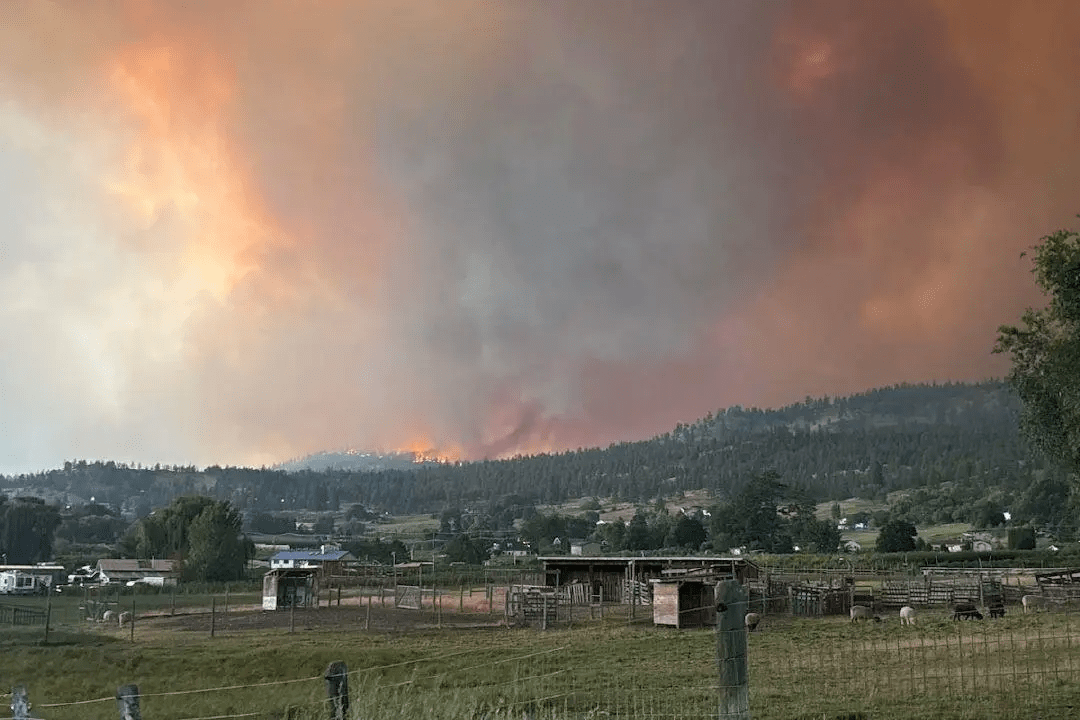
- In the shadow of the Summerland wildfire that has forced thousands from their homes in British Columbia’s Okanagan, something remarkable is happening at the Penticton Sikh Temple.
In the shadow of the Summerland wildfire that has forced thousands from their homes in British Columbia’s Okanagan, something remarkable is happening at the Penticton Sikh Temple. Volunteers from the local sangat have turned their gurdwara into a steady source of hot meals, essentials, and quiet dignity for evacuees. Reports describe more than 2,000 meals prepared and distributed each day—mixed vegetables, rice, pasta, traditional dishes—along with deliveries to evacuation hubs, campgrounds, and private homes. No questions asked. No fanfare required.
This is seva in its purest form: selfless service performed without expectation of reward. It is not charity as transaction. It is the lived expression of a principle central to Sikh teaching—that feeding the hungry, sheltering the displaced, and standing with neighbours in crisis is both a spiritual duty and a practical act of equality. The kitchen is open to everyone. Volunteers from the congregation, joined by others who simply show up, work long hours so that people who have lost their homes for now can still sit down to a hot, familiar meal.
Videos circulating on X capture the energy inside the temple: trays of food being prepared, volunteers moving with purpose, the steady rhythm of a community that has decided this is what it does when others are in need. Posts from across the Sikh diaspora and local observers have amplified the same message—gratitude for the work and recognition that this is what the sangat looks like when it mobilizes. The temple has also reached out to firefighters on the front lines with snacks and support, acknowledging those who are risking everything to contain the blaze.
What makes the effort stand out is its consistency and scale under pressure. Wildfire seasons in the Okanagan are becoming more intense and frequent. Evacuations disrupt lives for days or weeks. Official response systems handle the large logistics; community kitchens like this one fill the intimate gaps—warm food, a sense of normalcy, the knowledge that someone is thinking about the next meal. The Penticton Sikh Temple has done this before in smaller ways through langar and community events. This time the need is larger, and the response has matched it.
Critics sometimes treat religious communities as inward-looking. The reality on the ground in Penticton this week is the opposite. The doors are open. The food is free. The work is shared. It is a living demonstration that faith, when practiced as service, strengthens the social fabric rather than dividing it. In a province dealing with climate-driven disasters, these acts of organized compassion matter. They reduce isolation. They model mutual aid. They remind everyone watching that solidarity can be practical, immediate, and sustained.
The sangat in Penticton did not wait for perfect conditions or formal invitations. They saw people displaced by fire and began cooking. That simple decision—repeated thousands of times in meals served—carries a larger lesson. Seva is not abstract. It is the daily choice to put hands to work so that others can eat, rest, and feel less alone. In the middle of a difficult summer, the community in Penticton has made that choice with clear enthusiasm and quiet dedication. It is worth noticing, and it is worth emulating.