


AI Generated Summary
- The presentation not only highlighted the ongoing research efforts at GNDU but also underscored the growing contribution of Indian scientists to the field of drug discovery and medicinal chemistry on the global stage.
- A doctoral researcher from Guru Nanak Dev University (GNDU) has brought international recognition to the institution by presenting his cutting-edge research at one of the world’s leading conferences in medicinal chemistry.
- The research addresses hyperuricaemia, a condition marked by excessive uric acid in the bloodstream that is increasingly being linked to health complications such as gout, kidney disease, cardiovascular ailments and metabolic disorders.
A doctoral researcher from Guru Nanak Dev University (GNDU) has brought international recognition to the institution by presenting his cutting-edge research at one of the world’s leading conferences in medicinal chemistry.
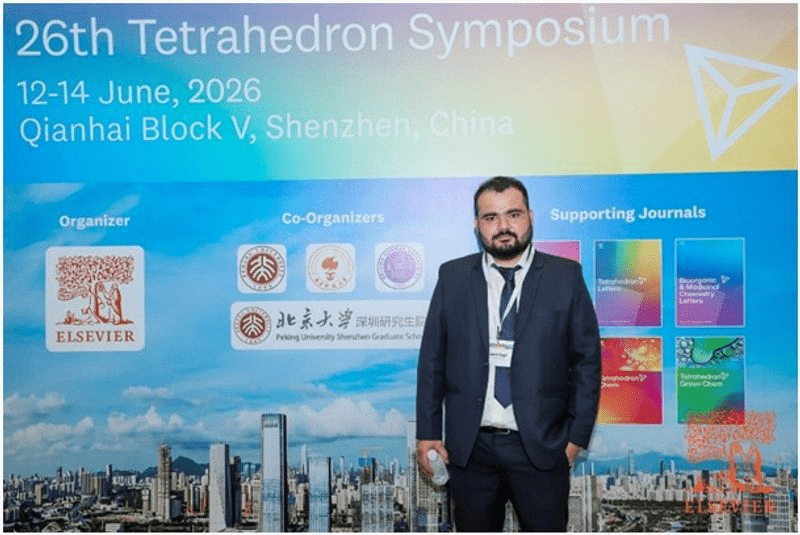
Karanvir Singh, a PhD scholar from the Department of Pharmaceutical Sciences, represented India at the 26th Tetrahedron Symposium held in Shenzhen, China. The globally acclaimed scientific gathering attracted researchers, academicians and industry experts from across continents to deliberate on emerging trends and breakthroughs in medicinal chemistry and drug development.
At the symposium, Singh presented his research focused on developing novel compounds that could offer improved treatment options for disorders associated with elevated uric acid levels. His poster presentation, which explored triazole-linked hybrid molecules as potential xanthine oxidase inhibitors, drew significant attention from members of the international scientific community.
The research addresses hyperuricaemia, a condition marked by excessive uric acid in the bloodstream that is increasingly being linked to health complications such as gout, kidney disease, cardiovascular ailments and metabolic disorders. Scientists worldwide are actively seeking safer and more effective therapies to manage the condition.
Speaking about the study, Singh explained that xanthine oxidase plays a crucial role in the body’s production of uric acid, making it a promising target for therapeutic intervention. The newly developed molecular hybrids demonstrated encouraging biological activity and showed potential as candidates for future drug development.
The research was conducted under the guidance of Prof. Preet Mohinder Singh Bedi, whose laboratory at GNDU has been engaged in the discovery of bioactive molecules aimed at controlling uric acid levels. The research group specialises in designing innovative compounds inspired by natural products to identify next-generation therapeutic agents with enhanced efficacy and safety profiles.
The international symposium, organised by Elsevier, served as a platform for scientific exchange and collaboration, enabling participants to interact with renowned researchers and gain insights into recent advances in medicinal chemistry and pharmaceutical sciences.
Singh’s participation in the event was facilitated through financial support from the Anusandhan National Research Foundation (ANRF), Government of India, under its International Travel Support Scheme. The initiative encourages young Indian researchers to engage with global scientific communities and contribute to international research dialogue.
The presentation not only highlighted the ongoing research efforts at GNDU but also underscored the growing contribution of Indian scientists to the field of drug discovery and medicinal chemistry on the global stage.
