


AI Generated Summary
- The true measure of a nation’s commitment to religious freedom is not found in the videos of a single, well-placed convert, but in the safety of its minorities, the sanctity of their worship, and the integrity of its historical heritage.
- It serves not as a genuine reflection of religious harmony, but as a transparent public relations exercise, likely orchestrated to sanitize the image of a state consistently implicated in the systematic marginalization of its non-Muslim citizens.
- This decline is not merely a byproduct of migration but is deeply rooted in a climate of fear, where the forced conversion of young Sikh women is a persistent and harrowing threat.
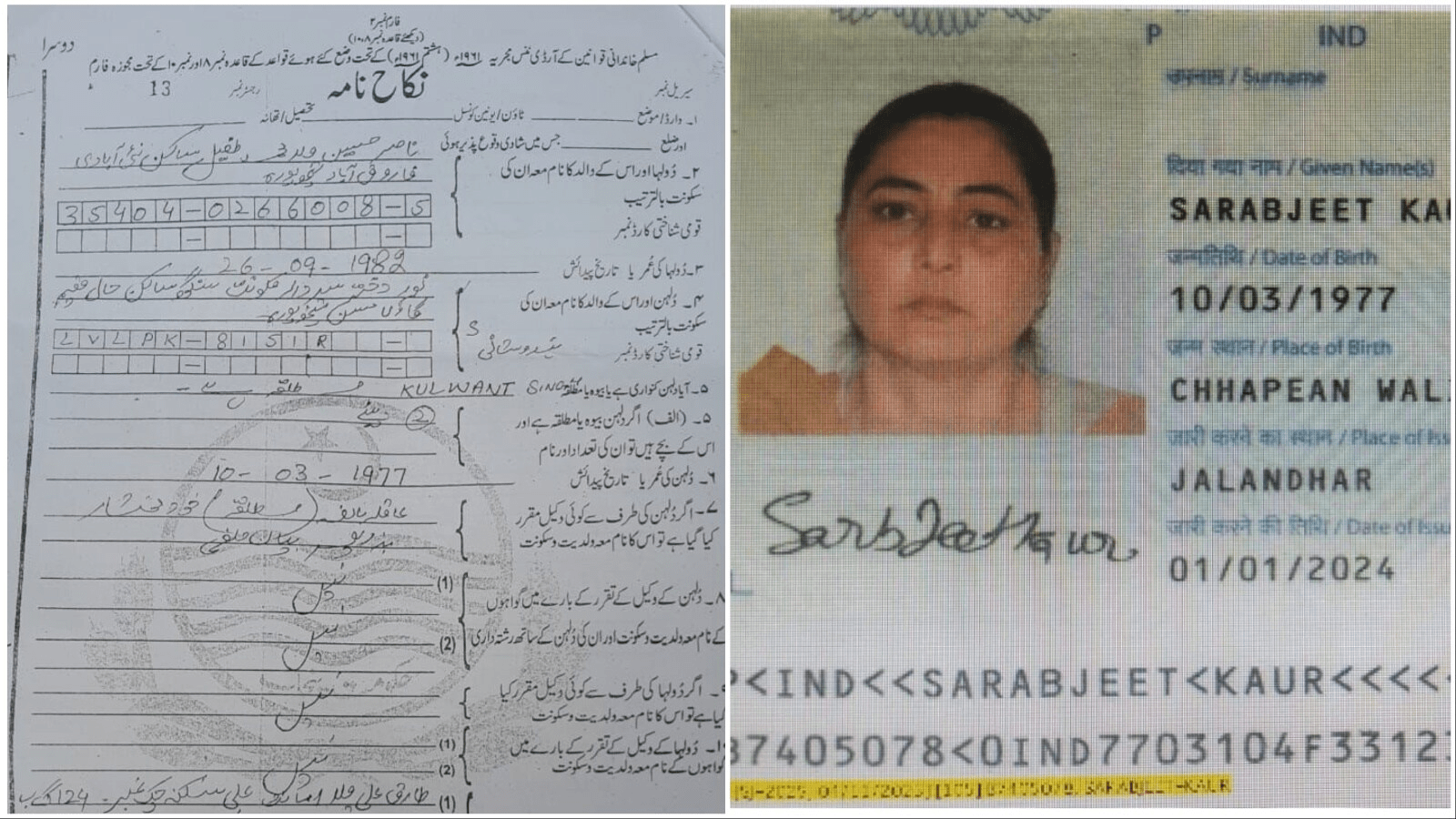
The recent case of Sarabjit Kaur, who went missing during a pilgrimage to Pakistan and subsequently surfaced as a convert to Islam, has been framed by Pakistani media as a heartwarming tale of personal discovery. However, viewed against the backdrop of the grim reality facing Pakistan’s Sikh minority, this narrative rings hollow. It serves not as a genuine reflection of religious harmony, but as a transparent public relations exercise, likely orchestrated to sanitize the image of a state consistently implicated in the systematic marginalization of its non-Muslim citizens.
To understand why this “brand ambassador” narrative is so egregious, one must look at the demographic freefall of the Sikh community in Pakistan. Since independence, the once-vibrant Sikh population has dwindled to a few thousand, with many human rights activists describing them as an endangered minority in Pakistan. The 2023 census recorded just 15,998 Sikhs—barely 0.01% of the total population. This decline is not merely a byproduct of migration but is deeply rooted in a climate of fear, where the forced conversion of young Sikh women is a persistent and harrowing threat. When the state celebrates a singular conversion, it deliberately ignores the broader pattern of coercion and intimidation that forces families to live in perpetual insecurity.
Furthermore, the state of gurdwaras and other Sikh heritage sites—the very places pilgrims like Kaur travel to honor—is abysmal. While Pakistan occasionally showcases specific gurdwaras for diplomatic capital, like during World Bank President Ajay Banga’s recent visit, the vast majority of these historical sites are in ruins, suffering from decades of state-sponsored neglect, encroachment, or outright vandalism. The performative restoration of a few select shrines for international visitors is a thin veneer, masking the reality that the sacred physical footprint of Sikhism in the region is being systematically erased.
The incident involving Sarabjit Kaur appears to be a calculated maneuver, a piece of theater designed to distract the international community from these uncomfortable truths. By presenting her as a willing convert turned advocate, the Pakistani establishment attempts to convert a tragedy of personal and religious displacement into a propaganda victory. It is a cynical appropriation of an individual’s circumstances to shield a state that has failed to provide basic protection, dignity, or religious freedom to its Sikh inhabitants.
We must refuse to be fooled by this curated narrative. The true measure of a nation’s commitment to religious freedom is not found in the videos of a single, well-placed convert, but in the safety of its minorities, the sanctity of their worship, and the integrity of its historical heritage. Pakistan’s attempt to paint itself as a beacon of tolerance while its Sikh community faces persistent persecution, violence, and demographic extinction is a transparent charade that deserves to be called out for exactly what it is.
