


AI Generated Summary
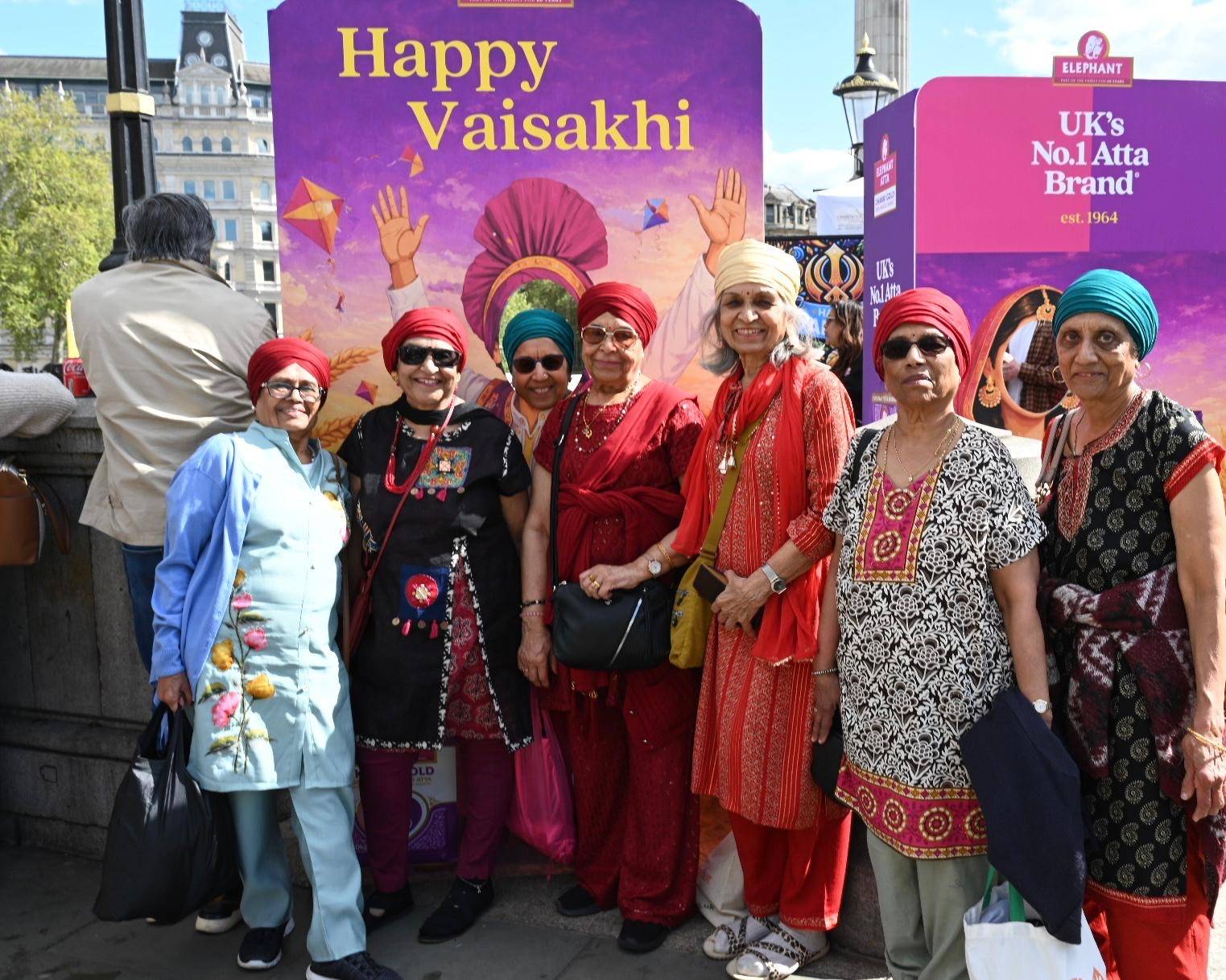
- Attendees, including Londoners of all backgrounds, experienced the founding of the Khalsa through art, music, and conversation, turning a historic square into a living symbol of Sikh values.
- From New York and California in the United States to Melbourne in Australia, and even smaller gatherings in Italy, New Zealand, and Mexico City, Sikh diasporas organised Nagar Kirtans, gurdwara services, and langar feasts.
- the spring harvest in Punjab and the founding of the Khalsa in 1699 by Guru Gobind Singh, the tenth Sikh Guru.
Vaisakhi, celebrated annually on or around April 13-14, stands as one of the most vibrant festivals in the Sikh calendar. It marks two profound milestones: the spring harvest in Punjab and the founding of the Khalsa in 1699 by Guru Gobind Singh, the tenth Sikh Guru. What began as a rural Punjabi festival has evolved into a global spectacle of faith, culture, and community. In 2026, Sikh communities worldwide transformed city squares, streets, and gurdwaras into vibrant hubs of colour, music, and selfless service (seva), drawing millions in a powerful display of unity and resilience.
In London, Trafalgar Square became the beating heart of British Vaisakhi on Saturday, April 18. Organised as “Vaisakhi on the Square” by the Mayor of London’s office, the free, family-friendly event from 12pm to 6pm welcomed thousands of revellers. The iconic landmark echoed with live kirtan (devotional hymns), energetic bhangra and gidda performances, martial arts demonstrations, and stirring talks on Sikh heritage. Stalls offered traditional crafts and delicious langar—free vegetarian meals served with equality and warmth. Attendees, including Londoners of all backgrounds, experienced the founding of the Khalsa through art, music, and conversation, turning a historic square into a living symbol of Sikh values. The Mayor’s presence underscored the festival’s growing prominence in the UK capital.
Across the Atlantic, Canada hosted some of the largest Vaisakhi parades outside India. In Surrey, British Columbia, the annual Khalsa Day Vaisakhi Parade on April 18 drew an astonishing 450,000 participants and spectators—organisers called it the biggest of its kind globally. The colourful Nagar Kirtan procession, led by the Guru Granth Sahib on a decorated float, wound through streets lined with floats, marching bands, and enthusiastic crowds waving Nishan Sahib flags. In nearby Vancouver, tens of thousands gathered around the Ross Street Gurdwara for a similar procession filled with devotional singing and community spirit. Brampton near Toronto echoed the same grandeur, with cultural performances and festive melas celebrating Punjabi identity. Canadian Sikhs, many of whom trace roots to Punjab, used the occasion to strengthen interfaith bonds and showcase their contributions to Canadian society.
The celebrations extended far beyond these hubs. From New York and California in the United States to Melbourne in Australia, and even smaller gatherings in Italy, New Zealand, and Mexico City, Sikh diasporas organised Nagar Kirtans, gurdwara services, and langar feasts. In Punjab itself, the Golden Temple in Amritsar drew lakhs of devotees for prayers and traditional fairs.
Vaisakhi 2026 reminded the world that faith knows no borders. Through parades, performances, and shared meals, Sikhs reaffirmed Guru Gobind Singh’s timeless message of courage, equality, and service—turning streets from Trafalgar Square to Surrey into rivers of joy and solidarity. (Word count: 398)