


AI Generated Summary
- Held over two days in March 2026, the event drew thousands of farmers to the PAU campus, where discussions, demonstrations, and exhibitions revolved around the urgent need to break free from the dominant wheat-paddy monoculture.
- Jat, Secretary (DARE) and Director General of ICAR, emphasized that the relentless cycle of rice and wheat has taken a heavy toll on the state’s natural resources.
- Soil health has deteriorated due to intensive chemical use and residue burning (though Punjab has achieved a remarkable ~90% reduction in paddy straw burning, a step worth commending).
The recent Kisan Mela organized by Punjab Agricultural University (PAU) in Ludhiana once again underscored a critical message from agricultural experts: crop diversification is not just an option but a necessity for ensuring the long-term sustainability of Punjab’s farming systems.
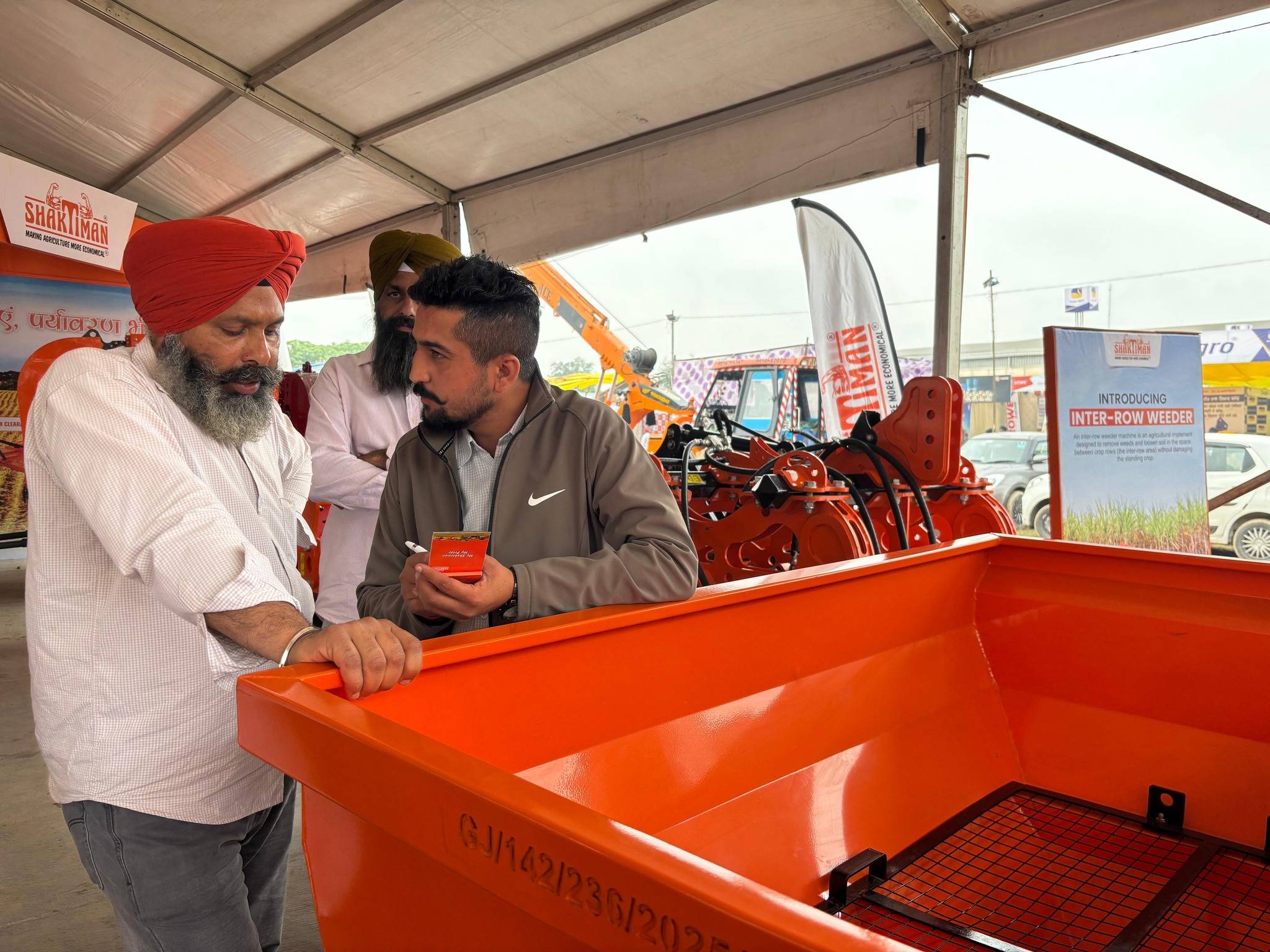
Held over two days in March 2026, the event drew thousands of farmers to the PAU campus, where discussions, demonstrations, and exhibitions revolved around the urgent need to break free from the dominant wheat-paddy monoculture. Experts, including PAU Vice-Chancellor Dr. Satbir Singh Gosal and Dr. M.L. Jat, Secretary (DARE) and Director General of ICAR, emphasized that the relentless cycle of rice and wheat has taken a heavy toll on the state’s natural resources.
Punjab’s agriculture, once the pride of India’s Green Revolution, now faces existential threats. Over-extraction of groundwater for paddy cultivation has led to plummeting water tables, with many blocks already classified as over-exploited or critical. Soil health has deteriorated due to intensive chemical use and residue burning (though Punjab has achieved a remarkable ~90% reduction in paddy straw burning, a step worth commending). Monocropping has also increased vulnerability to pests, diseases, and climate variability, while farm incomes stagnate amid rising input costs.
Experts at the mela highlighted that diversification—shifting toward pulses, oilseeds, cotton, maize, vegetables, fruits, and other high-value crops—offers a viable path forward. These alternatives require less water, improve soil fertility through better nutrient cycling, and can boost farmer incomes by tapping into growing markets for nutritious and export-oriented produce. National initiatives like the Cotton Mission, Pulses Mission, Oilseeds Mission, and High-Yielding Varieties Mission were cited as accelerators for this transition.
The event showcased practical solutions: new crop varieties released by PAU, such as improved paddy (e.g., PR 133), cotton (PBD 88), maize (NK 7328), and horticultural options like ginger, muskmelon, peas, and fruits including nectarine, peach, dragon fruit, and kinnow. Live demonstrations, stalls selling quality seeds and bio-fertilizers, and consultations promoted integrated farming models that combine crops with livestock or agroforestry for resilience and additional revenue streams.
Yet, the road to diversification remains challenging. Farmers often hesitate due to assured Minimum Support Prices (MSP) for wheat and paddy, market uncertainties for alternative crops, and limited access to processing infrastructure or assured buyers. Government support—through assured procurement, better extension services, subsidies for drip irrigation, and incentives for crop insurance—must be strengthened to make diversification attractive and risk-free.
The Kisan Mela’s theme, effectively “Adopt Crop Diversification, Protect Environment,” resonated strongly. As Dr. Gosal noted, a shift to water-saving, climate-resilient practices is the “voice of contemporary farming.” Punjab’s farmers have repeatedly shown adaptability—from adopting laser land leveling to reducing stubble burning. Now is the time to extend that progress to cropping patterns.
Sustaining Punjab’s agricultural prowess requires collective action: policymakers providing enabling frameworks, scientists delivering region-specific innovations, and farmers embracing change for future generations. Crop diversification is the key to restoring ecological balance, securing water resources, and ensuring prosperous, sustainable livelihoods. The experts at Ludhiana’s Kisan Mela have spoken clearly—the time to diversify is now.