


AI Generated Summary
- The recent Pakistani airstrike on a major drug rehabilitation center in Kabul stands as one of the most egregious and inhumane acts in the long history of cross-border violence between Pakistan and Afghanistan.
- On March 16, 2026, what Afghan officials describe as a deliberate Pakistani military operation struck the Omid Addiction Treatment Hospital (also referred to as the Secondary Rehabilitation Services Centre), a large facility reportedly with up to 2,000 beds dedicated to treating individuals battling drug addiction.
- Facilities like Omid represent rare beacons of hope, offering detoxification, counseling, and rehabilitation to thousands who might otherwise face death on the streets or in continued cycles of despair.
The recent Pakistani airstrike on a major drug rehabilitation center in Kabul stands as one of the most egregious and inhumane acts in the long history of cross-border violence between Pakistan and Afghanistan. On March 16, 2026, what Afghan officials describe as a deliberate Pakistani military operation struck the Omid Addiction Treatment Hospital (also referred to as the Secondary Rehabilitation Services Centre), a large facility reportedly with up to 2,000 beds dedicated to treating individuals battling drug addiction.
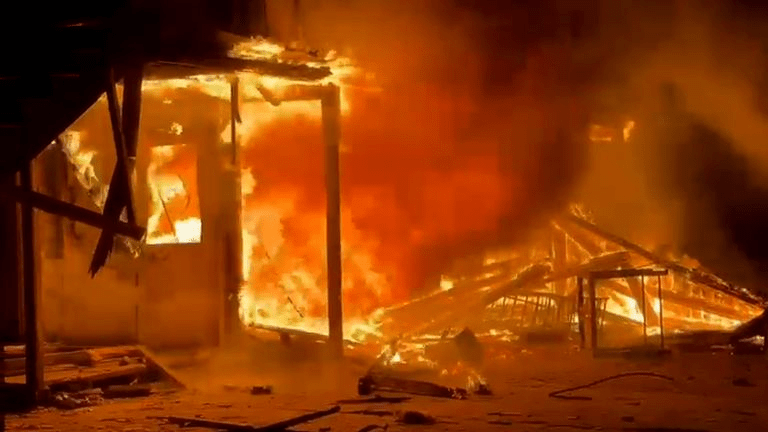
According to Taliban government spokespersons and Afghan health ministry statements, the attack killed at least 400 people—many of them vulnerable patients in recovery—and injured around 250 others. Rescue teams continue to comb through rubble and charred debris, with fears that the final death toll could rise further as bodies are recovered from collapsed wards. Eyewitness accounts and initial footage depict scenes of utter devastation: flames engulfing buildings, structural collapses trapping people inside, and civilians—already marginalized by addiction and poverty—perishing in what should have been a place of healing.
This was no remote border skirmish. The strike hit the heart of Kabul, Afghanistan’s capital, transforming a civilian health facility into a war zone. International humanitarian law, including the Geneva Conventions, explicitly protects hospitals and medical personnel during armed conflicts. Targeting or indiscriminately attacking such sites constitutes a potential war crime, especially when the victims are non-combatants seeking treatment rather than posing any military threat.
Pakistan’s official response has been one of denial regarding civilian targets. Islamabad claims its forces struck only “military installations” and “terrorist support infrastructure” in Kabul and Nangarhar provinces, insisting the operation was precise and aimed at militant groups operating against Pakistan. Yet this explanation rings hollow against the reported reality on the ground: a major addiction treatment hospital reduced to ruins, with no credible evidence presented so far that it housed weapons, fighters, or any military function. If intelligence suggested otherwise, the burden lies on Pakistan to transparently justify such a catastrophic misjudgment—or admission—that cost hundreds of innocent lives.
The human cost is staggering. Afghanistan grapples with one of the world’s highest rates of opioid addiction, fueled by decades of war, displacement, poverty, and proximity to opium production. Facilities like Omid represent rare beacons of hope, offering detoxification, counseling, and rehabilitation to thousands who might otherwise face death on the streets or in continued cycles of despair. To bomb such a place is not merely reckless—it is profoundly inhumane, stripping away dignity from society’s most vulnerable and compounding Afghanistan’s already immense suffering.
This incident escalates an already volatile relationship. Border clashes, accusations of harboring militants (Pakistan blames the Taliban for allowing TTP attacks; Afghanistan accuses Pakistan of meddling), and tit-for-tat strikes have become tragically routine. But striking a hospital crosses a red line that demands global outrage and accountability.