
AI Generated Summary
- The resolution “condemns in the strongest terms the egregious attacks” by Iran, declaring them a breach of international law and a serious threat to international peace and security.
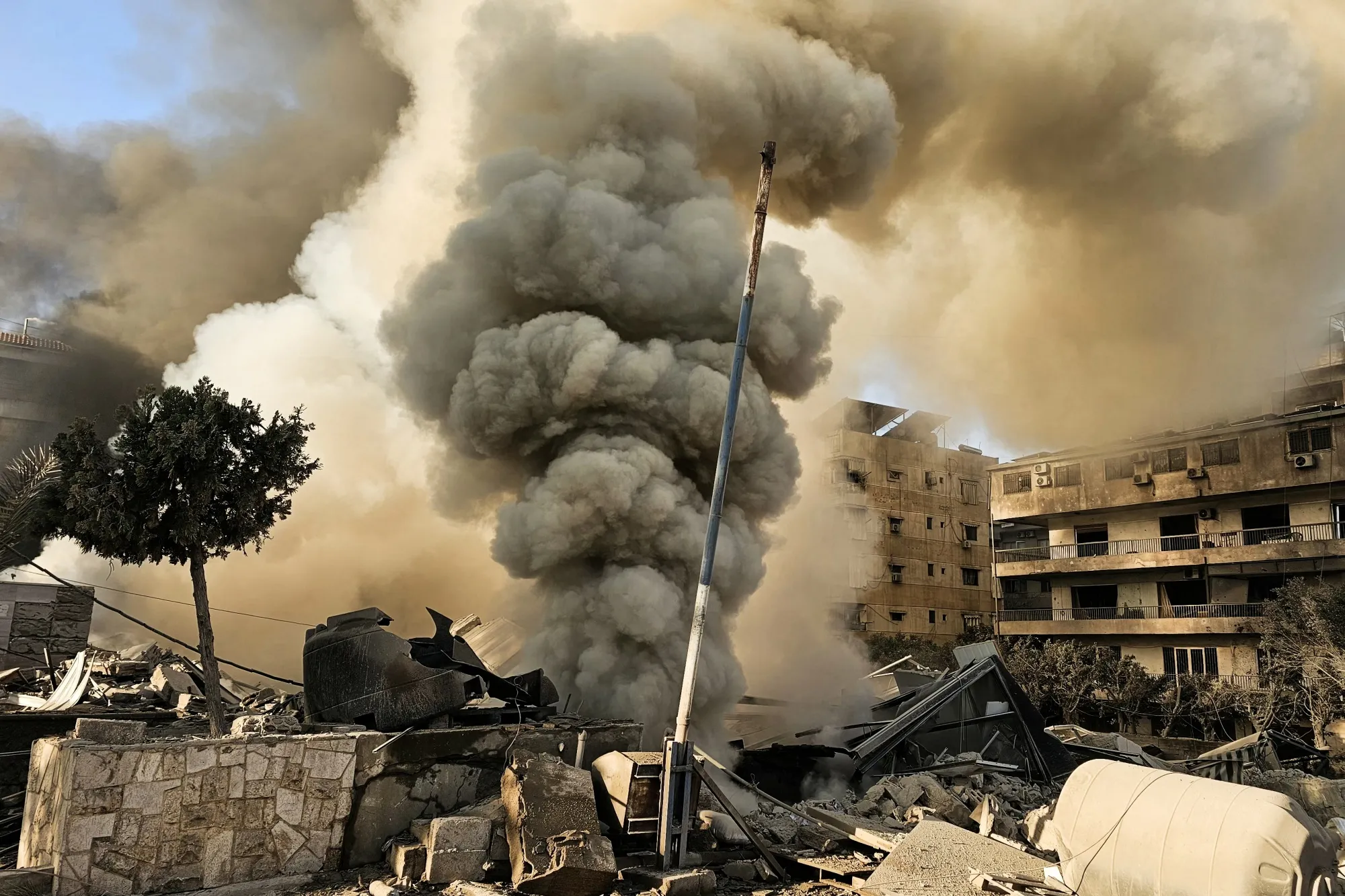
- The Bahrain-led resolution was introduced in the UN Security Council amid ongoing conflict in the region, reportedly entering its 13th day in some reports, linked to retaliatory actions following strikes on Iran.
- The US representative, with the Council under American presidency for March 2026, highlighted the resolution’s significance, noting that “Iran shoots in all directions” and praising the record number of co-sponsors as evidence of global unity against the actions.
India’s decision to co-sponsor a United Nations Security Council resolution strongly condemning Iran’s recent attacks on Gulf Cooperation Council (GCC) nations and Jordan marks a significant diplomatic stance amid escalating tensions in the Middle East. The resolution, adopted on March 11 or 12, 2026 (depending on time zones), reflects broad international concern over regional stability, maritime security, and adherence to international law.
Background of the Resolution
The Bahrain-led resolution was introduced in the UN Security Council amid ongoing conflict in the region, reportedly entering its 13th day in some reports, linked to retaliatory actions following strikes on Iran. Iran has launched missile and drone attacks targeting territories in Bahrain, Kuwait, Oman, Qatar, Saudi Arabia, the United Arab Emirates (UAE), and Jordan. These actions have been described as retaliatory but deemed unprovoked by many nations, particularly those hosting US military assets or involved in regional alliances.
The resolution “condemns in the strongest terms the egregious attacks” by Iran, declaring them a breach of international law and a serious threat to international peace and security. It demands the “immediate cessation” of all such attacks and provocations against neighboring states. It also explicitly denounces Iran’s threats to close the Strait of Hormuz—a critical global chokepoint through which a significant portion of the world’s oil passes—warning that any disruption would endanger international maritime routes and the global economy.
Adoption and Co-Sponsorship
The 15-member Security Council adopted the resolution with 13 votes in favor and none against. Permanent members China and Russia abstained. What sets this resolution apart is its unprecedented level of co-sponsorship: nearly 135 to 140 member states (reports vary slightly between 130+, nearly 135, and up to 140) joined as co-sponsors, setting a record for such broad backing in recent UN history.
India was among the prominent co-sponsors, aligning with a diverse group that included Australia, Austria, Bangladesh, Bhutan, Canada, Egypt, France, Germany, Greece, Italy, Japan, Kuwait, Malaysia, Maldives, Myanmar, New Zealand, Norway, Oman, Pakistan, Qatar, Saudi Arabia, Singapore, Spain, Ukraine, UAE, United Kingdom, United States, Yemen, and Zambia.
The US representative, with the Council under American presidency for March 2026, highlighted the resolution’s significance, noting that “Iran shoots in all directions” and praising the record number of co-sponsors as evidence of global unity against the actions.
Bahrain’s Permanent Representative emphasized the international community’s rejection of Iran’s “unjust, hostile acts” targeting sovereign countries and threatening regional stability.
India’s co-sponsorship underscores its growing alignment with Gulf partners on security matters. With substantial economic ties to GCC countries—including energy imports, remittances from millions of Indian workers, and investments—India has a vested interest in de-escalation and protecting shipping lanes like the Strait of Hormuz. Disruptions there could spike oil prices and impact India’s economy.