


AI Generated Summary
- As the last traces of winter disappear, rows of freshly sealed pickle jars sit drying in the warm sunlight — a simple yet powerful symbol of how age-old traditions can adapt to changing times without losing their essence.
- As winter slowly fades in Punjab’s countryside, the narrow lanes and sunlit courtyards of a small village near Ludhiana are filled with the fragrance of spices and mustard oil.
- One participant explained that what began as a daily routine has become a way to support family expenses and contribute to decision-making at home.
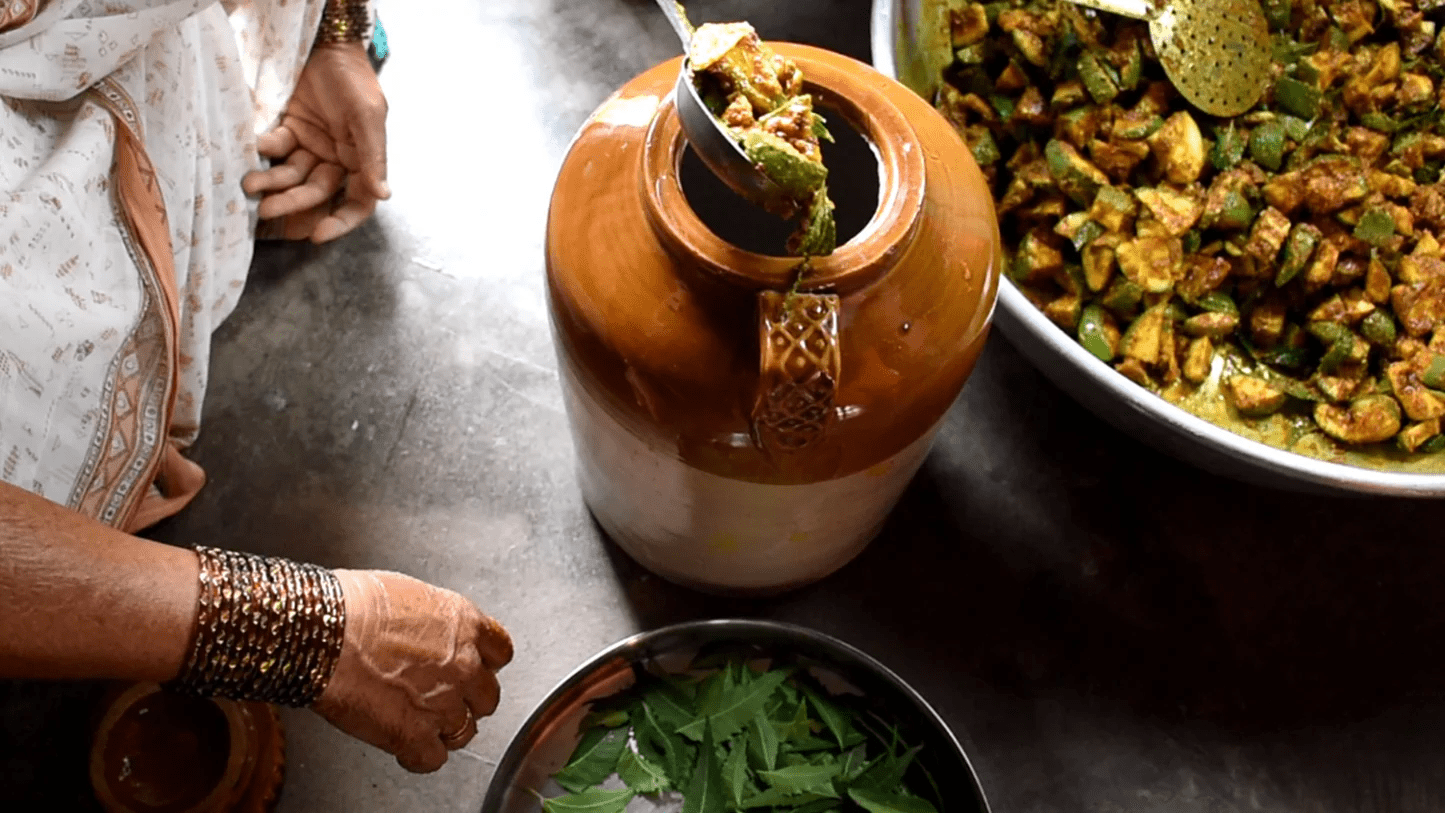
As winter slowly fades in Punjab’s countryside, the narrow lanes and sunlit courtyards of a small village near Ludhiana are filled with the fragrance of spices and mustard oil. Groups of women sit together sorting seasonal vegetables, blending masalas and sealing jars — continuing a practice that has long defined Punjabi kitchens. Today, however, this familiar ritual is also opening doors to financial independence.
For generations, homemade pickles have been a staple across rural households, prepared carefully according to seasonal rhythms. Now, local women are reshaping that heritage into a small but growing source of income. With guidance from agricultural experts and training programmes designed for self-help groups, many participants are exploring how traditional recipes can evolve into sustainable businesses.
Recent workshops organised by an agricultural university in Ludhiana district introduced participants to modern packaging, branding and basic entrepreneurship skills. Demonstrations on labelling machines and food-processing techniques sparked new ideas among attendees, many of whom had never considered selling products they once made solely for family consumption.
Members of one village self-help group shared that the sessions encouraged them to think beyond household kitchens. Several women said they felt a renewed sense of confidence after learning how to market pickles, fruit preserves and other homemade products. One participant explained that what began as a daily routine has become a way to support family expenses and contribute to decision-making at home.
Another group of villagers has already started supplying jars of mixed vegetable pickles to nearby markets. Working collectively, they divide tasks such as preparation, packaging and transport. Their aim, they say, is to gradually expand beyond local towns and reach urban consumers who value authentic, homemade flavours.
The craft itself remains deeply tied to the changing seasons — tangy mango pickles during the summer months, carrot and turnip varieties in winter, and fiery chilli blends prepared under the strong sun. While the methods remain rooted in tradition, the mindset around them is shifting. Training initiatives have encouraged women to see culinary knowledge not only as cultural heritage but also as a pathway to entrepreneurship.
Observers note that such grassroots ventures play an important role in rural empowerment, allowing women to earn while preserving customs passed down through generations. For many participants, each jar prepared today represents more than just a condiment; it reflects resilience, cooperation and the hope of a more secure future.
As the last traces of winter disappear, rows of freshly sealed pickle jars sit drying in the warm sunlight — a simple yet powerful symbol of how age-old traditions can adapt to changing times without losing their essence.