


AI Generated Summary
- As preparations gather pace for the annual celebrations, a team of PPCB officials met the acting Jathedar of Akal Takht and the Jathedar of Takht Sri Kesgarh Sahib, Giani Kuldeep Singh Gargaj, requesting support in discouraging plastic use in the many ‘langars’ organised during the event.
- In an effort to combine religious devotion with environmental responsibility, the Punjab Pollution Control Board (PPCB) has rolled out a new campaign aimed at eliminating single-use plastic during the upcoming Holla Mohalla festivities.
- Officials emphasised that the initiative is not meant to interfere with religious customs but to ensure that the spirit of seva also reflects care for the environment.
In an effort to combine religious devotion with environmental responsibility, the Punjab Pollution Control Board (PPCB) has rolled out a new campaign aimed at eliminating single-use plastic during the upcoming Holla Mohalla festivities. Backed by Sikh religious leadership, the initiative seeks to transform one of Punjab’s largest spiritual gatherings into a model for eco-friendly community practices.
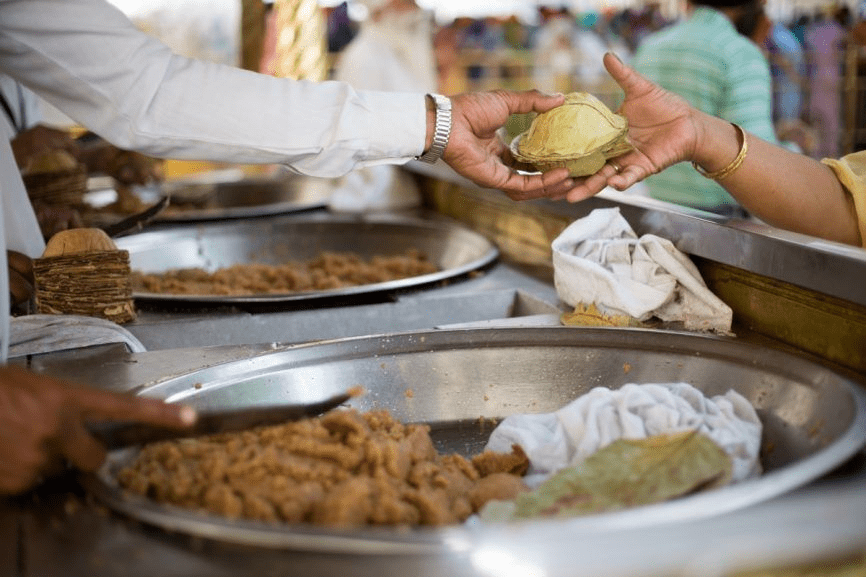
As preparations gather pace for the annual celebrations, a team of PPCB officials met the acting Jathedar of Akal Takht and the Jathedar of Takht Sri Kesgarh Sahib, Giani Kuldeep Singh Gargaj, requesting support in discouraging plastic use in the many ‘langars’ organised during the event. Thousands of volunteers traditionally set up community kitchens to serve free meals to pilgrims, a cornerstone of Sikh service and generosity.
According to PPCB representatives, the clergy has been urged to advise devotees and organisations to shift from disposable plastic crockery to reusable steel utensils. Officials emphasised that the initiative is not meant to interfere with religious customs but to ensure that the spirit of seva also reflects care for the environment.
To make the transition practical, the Board has promised logistical support. PPCB Chairperson Reena Gupta announced that biodegradable plates and bowls would be supplied free of cost to langar organisers wherever steel utensils are not viable due to the scale of operations. The aim, officials said, is to prevent plastic waste while allowing kitchens to function smoothly during the busy festival days.
Giani Kuldeep Singh Gargaj welcomed the proposal, assuring cooperation from religious institutions and volunteers. He indicated that a formal advisory would be issued encouraging devotees to adopt reusable or biodegradable alternatives. Stressing that environmental protection aligns with Sikh teachings, he noted that religious communities have historically played a leading role in social change.
Residents of Anandpur Sahib and nearby Kiratpur Sahib have reacted positively to the move. In previous years, the conclusion of Holla Mohalla has left large volumes of plastic waste scattered along roadsides and open spaces, creating a significant burden for municipal workers. Local shopkeepers say reducing plastic use could ease the annual cleanup and prevent pollution from spreading into drains and surrounding fields.
This year’s celebrations, scheduled from February 27 to March 3, are expected to draw large crowds once again. Despite a state-wide ban on single-use plastic, its widespread use during mass gatherings continues to contribute to mounting solid waste challenges.
Environmental groups view the collaboration between the PPCB and Sikh clergy as a promising example of how faith-based initiatives can drive behavioural change. If successful, the plastic-free langar model introduced at Holla Mohalla could inspire similar eco-conscious practices at religious events across Punjab, demonstrating that spiritual traditions and environmental stewardship can go hand in hand.