


AI Generated Summary
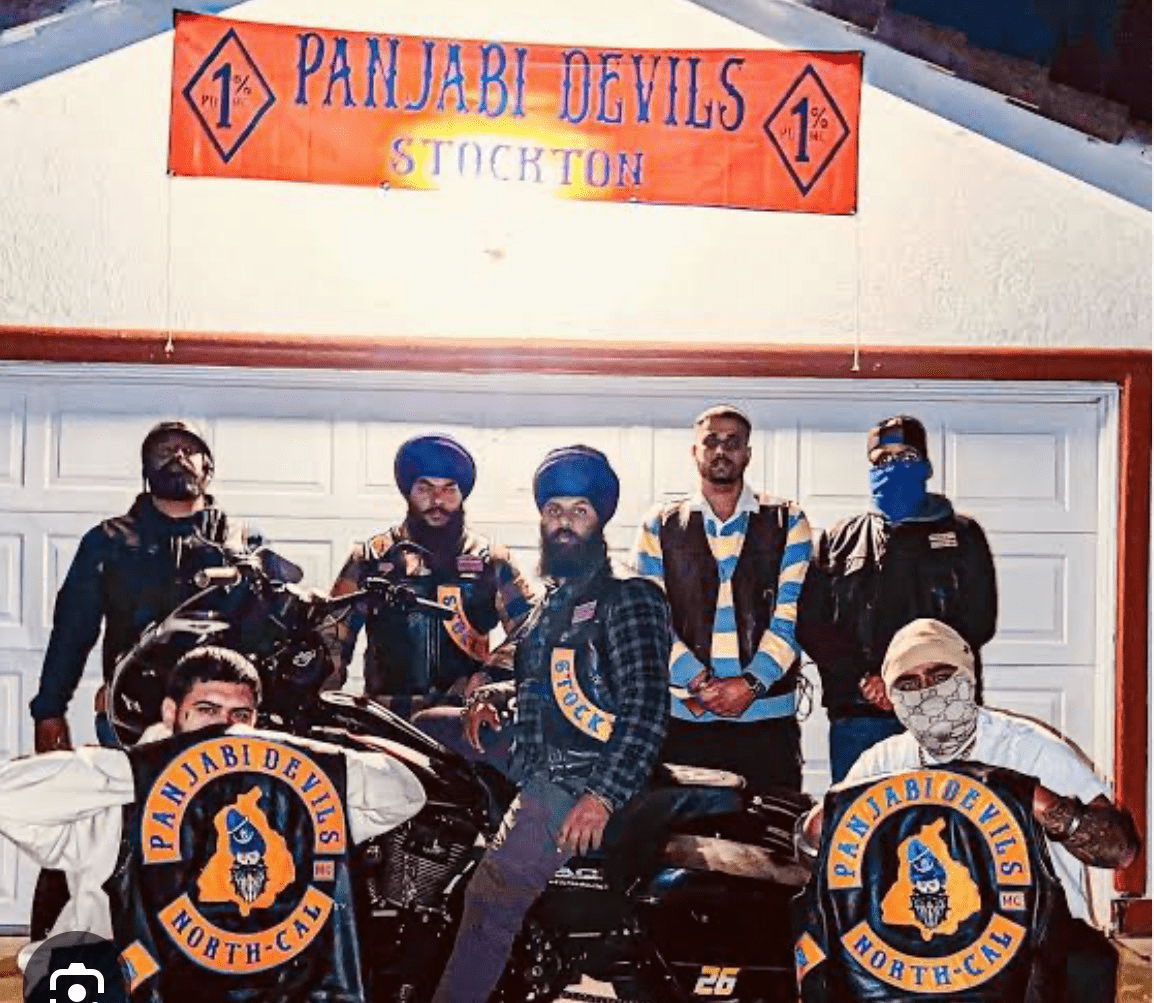
- In a recent case, Jashanpreet Singh, the founder of the Punjabi Devils motorcycle club—a Stockton-based outlaw gang associated with the Hells Angels—pleaded guilty to unlawfully dealing in firearms and possessing a machine gun.
- Today, the founder of the “Punjabi Devils” motorcycle club, a #Stockton based outlaw motorcycle gang associated with the Hells Angels, pleaded guilty to unlawfully dealing firearms and possessing a machine gun following a multi-agency investigation.
- The historic Gurdwara Sahib in Stockton, California—one of the oldest Sikh temples in the United States—has increasingly appeared in connection with serious criminal investigations.
The historic Gurdwara Sahib in Stockton, California—one of the oldest Sikh temples in the United States—has increasingly appeared in connection with serious criminal investigations. Multiple operations by the FBI and local law enforcement agencies have highlighted a troubling pattern involving alleged kidnapping, torture, extortion, illegal firearms, and ties to extremist ideologies. These developments raise serious concerns about how a place of worship has become entangled in a broader criminal ecosystem in California’s Central Valley.
Today, the founder of the “Punjabi Devils” motorcycle club, a #Stockton based outlaw motorcycle gang associated with the Hells Angels, pleaded guilty to unlawfully dealing firearms and possessing a machine gun following a multi-agency investigation.
— FBI Sacramento (@FBISacramento) February 3, 2026
Visit… pic.twitter.com/2ma4xVJfmj
In a recent case, Jashanpreet Singh, the founder of the Punjabi Devils motorcycle club—a Stockton-based outlaw gang associated with the Hells Angels—pleaded guilty to unlawfully dealing in firearms and possessing a machine gun. Federal prosecutors revealed that Singh attempted to sell several weapons, including assault rifles and machine gun conversion devices, to an undercover officer. A subsequent search of his home uncovered additional illegal firearms, a silencer, and high-capacity magazines. This multi-agency investigation underscores the infiltration of criminal elements into communities that should remain focused on spiritual and communal harmony.
Other incidents have further linked the Stockton Gurdwara to serious offenses. In July 2025, eight individuals of Punjabi origin were arrested following a major operation involving the FBI, San Joaquin County Sheriff’s Office, and other agencies. The suspects faced felony charges including kidnapping, torture, extortion, witness intimidation, and multiple weapons violations. Authorities described the crimes as part of an international gang network, with one suspect wanted in India for murders and firearms offenses. Reports also indicate connections to “ghost guns” (untraceable homemade firearms) and extortion rackets targeting community members.
Stockton Gurdwara keeps showing up in serious criminal cases.
— Ruchi Wali 🇨🇦 (@WaliRuchi) February 3, 2026
From kidnapping & torture, to ghost guns, extortion & alleged Khalistan ties, multiple FBI & local law-enforcement operations now link this one religious complex to a wider criminal ecosystem in California’s Central… https://t.co/Op7kZoYLj9 pic.twitter.com/RxucbBBbLd
Additionally, videos circulating from events at the Gurdwara have shown individuals celebrating Talwinder Singh Parmar, widely identified as the mastermind behind the 1985 Air India Flight 182 (Kanishka) bombing that killed 329 innocent people. Slogans promoting ethnic cleansing and extremist rhetoric have been documented, raising alarms about the promotion of violent ideologies under the guise of religious gatherings.
These activities stand in stark contrast to the sacred principles of Sikhism. Gurdwaras are revered as spaces embodying the teachings of the Sikh Gurus—places dedicated to equality, service (seva), truth, and non-violence. Guru Nanak Dev Ji, the founder of Sikhism, emphasized universal brotherhood and condemned hatred, division, and injustice. Guru Gobind Singh Ji taught the importance of defending the oppressed through righteous means, not through criminality or extremism.
The actions of a small group of Khalistan extremists—who advocate for a separate Sikh state through radical means—directly contradict these core values. Sikhism explicitly rejects violence for political ends, hatred toward any community, and the glorification of terrorism. By associating places of worship with criminality and divisive ideologies, these elements not only mislead the Sikh youth but also tarnish the reputation of the entire community. They exploit religious spaces for personal gain or extremist agendas, diverting attention from the Gurus’ message of peace, justice, and humility.
The overwhelming majority of Sikhs in California and beyond live peacefully, contributing positively to society through hard work, charity, and community service. The Sikh diaspora has built institutions that promote education, interfaith dialogue, and humanitarian aid. Yet, when criminal networks or extremist voices gain influence in sacred spaces, it endangers the safety and harmony of everyone involved.
Law enforcement efforts are crucial in addressing these issues, but the Sikh community itself must remain vigilant. Leaders and congregants should ensure that Gurdwaras remain true to their spiritual purpose—free from criminal exploitation and extremist propaganda. By recommitting to the timeless teachings of the Gurus, the community can protect its youth from misleading influences and preserve the sanctity of these holy spaces.
The Stockton Gurdwara’s history as a beacon of Sikh heritage should not be overshadowed by these troubling associations. Restoring its role as a center of peace and devotion requires collective resolve to reject crime and extremism in all forms. Only then can the true spirit of Sikhism shine through, untainted and inspiring for generations to come.