


AI Generated Summary
- Punjab’s traditional circle-style kabaddi could soon begin a new journey beyond its rural strongholds, as players, coaches and sports promoters join hands to push for the game’s recognition at major international sporting events, including the Asian Games and the Olympics.
- The initiative draws inspiration from the international progress of standard-style kabaddi, which was introduced as a demonstration sport at the 1982 Asian Games in New Delhi before becoming a medal event in 1990.
- He believes the progress made by the standard format offers important lessons in governance, competitive structure and institutional support, which could be adapted to the needs of circle-style kabaddi.
Punjab’s traditional circle-style kabaddi could soon begin a new journey beyond its rural strongholds, as players, coaches and sports promoters join hands to push for the game’s recognition at major international sporting events, including the Asian Games and the Olympics.
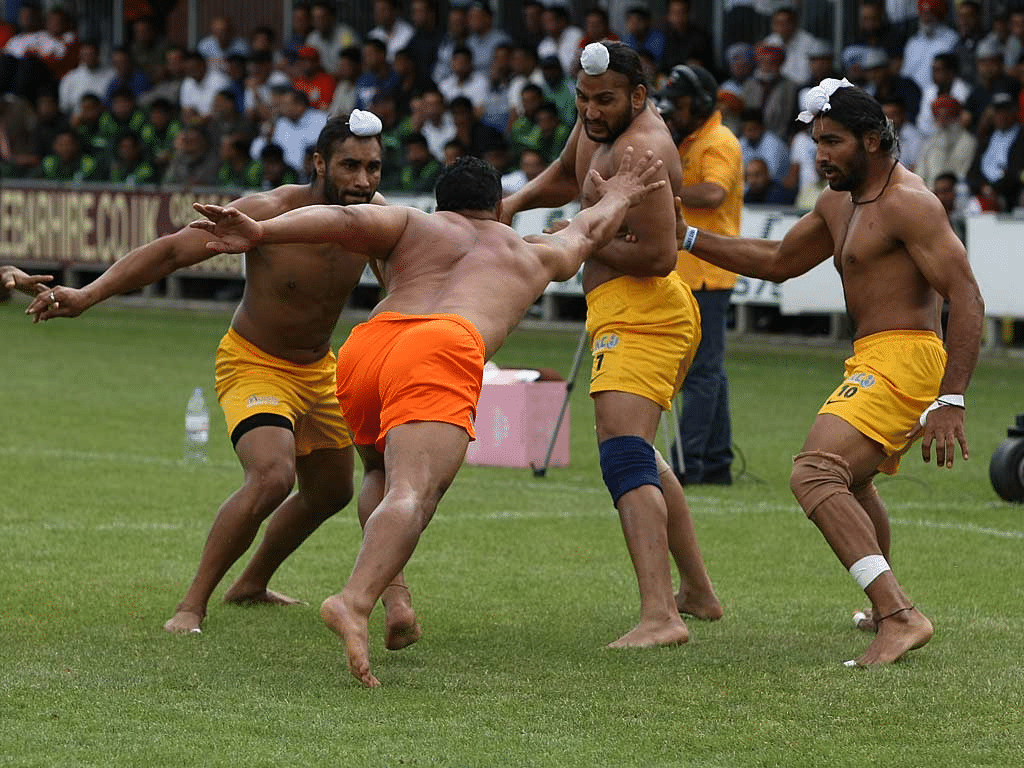
Deeply embedded in Punjab’s sporting heritage, circle-style kabaddi has long been a crowd-puller at village tournaments, drawing spectators with its combination of strength, agility and fierce one-on-one contests. Now, those associated with the sport believe the time has come to transform its regional popularity into a wider international presence.
A proposed development plan spanning 2027 to 2036 seeks to establish the framework needed to take the traditional game to the global stage. The strategy emphasises professional administration, uniform playing regulations, international tournaments, grassroots development and greater participation from countries outside its established centres.
The initiative draws inspiration from the international progress of standard-style kabaddi, which was introduced as a demonstration sport at the 1982 Asian Games in New Delhi before becoming a medal event in 1990. Since then, India has enjoyed considerable success in the discipline, with both men’s and women’s teams securing multiple gold medals.
Supporters of circle kabaddi believe a similarly organised and sustained effort could open new avenues for the traditional format without compromising its distinctive identity.
Sports promoter Manmohan Singh Grewal, popularly known as Mohna Jodha, believes the game possesses the essential ingredients to appeal to international audiences. However, he stresses that its expansion will require professional management, universally accepted regulations and active efforts to encourage participation from other nations.
Kabaddi player Balbir Singh also advocates retaining the sport’s traditional character while improving competitive standards and creating opportunities for players to test their skills against international opponents.
Beyond the playing field, promoters have identified broadcasting and presentation as crucial elements in attracting new audiences.
Commentator Makhan Ali believes that professional commentary, improved television coverage and a consistent calendar of international competitions could significantly strengthen the sport’s visibility and commercial prospects.
Equally important is the development of a sustainable talent pipeline. Coach Mannu Ghaloti has emphasised the need for systematic training programmes, qualified coaching personnel and organised competitions for emerging players, including women.
Veteran sports journalist and grassroots sports promoter Jagroop Singh Jarkhar, who has been instrumental in organising the Jarkhar Games, maintains that circle kabaddi must seek recognition as an independent international sporting discipline rather than attempting to merge its identity with standard kabaddi.
He believes the progress made by the standard format offers important lessons in governance, competitive structure and institutional support, which could be adapted to the needs of circle-style kabaddi.
The Punjab diaspora is also expected to play an important role in the proposed expansion. UK-based promoter Ajaib Singh Garcha and Toronto-based promoter Ahiab Singh Chatha have highlighted the potential of overseas Punjabi communities in building partnerships with sporting organisations, supporting tournaments and introducing the game to new countries.
Among the proposals being discussed is the establishment of a credible international governing federation responsible for harmonising playing rules, overseeing competitions and ensuring transparent administration.
The roadmap also envisages a biennial World Cup, with hosting opportunities extended to different participating nations. Supporters believe such an arrangement could encourage countries to establish their own teams, improve competitive standards and attract sponsorship.
Compliance with internationally recognised anti-doping requirements, including applicable World Anti-Doping Agency standards, has also been identified as an essential component of the sport’s professional development.
However, those championing the initiative acknowledge that securing a place in the Asian Games or Olympics will be a lengthy and demanding process. Both platforms have established requirements governing sporting recognition, international participation and inclusion in their competition programmes.
For circle-style kabaddi, the immediate challenge is therefore not merely to organise high-profile tournaments but to build the institutions, international networks and competitive structures necessary for long-term recognition.
With a ten-year vision now being advocated by members of the sporting fraternity, Punjab’s traditional game stands at a potentially significant crossroads. Whether it can make the transition from village grounds to the world’s premier sporting arenas will depend on the ability of its supporters to convert their collective ambition into coordinated, measurable and sustained progress.