


AI Generated Summary
- Despite this legacy, a decades-long ban on student unions has continued to limit their ability to organize formally, raising concerns among rights advocates about the state of civic freedoms on campuses.
- What is clear, however, is that the question of student unions has once again become central to debates about youth participation and democratic rights in Pakistan.
- But 42 years of a ban on student unions has restricted their rights to freedom of association, peaceful assembly and expression.
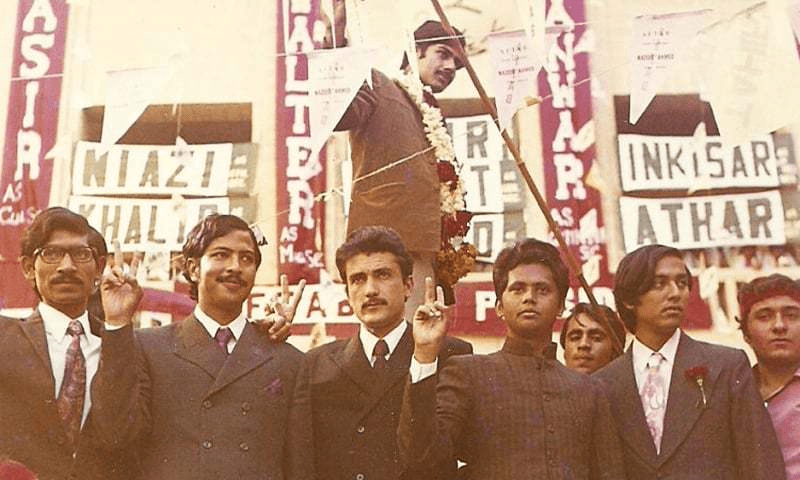
For generations, students across Pakistan have played a visible role in shaping public discourse, often standing at the forefront of campaigns demanding justice, accountability and respect for human rights. Despite this legacy, a decades-long ban on student unions has continued to limit their ability to organize formally, raising concerns among rights advocates about the state of civic freedoms on campuses.
The prohibition, now entering its 42nd year, has been widely criticized by civil society groups who argue that it restricts fundamental rights such as freedom of association, peaceful assembly and expression. Observers say the absence of representative student bodies has left many young people without structured platforms to voice concerns or participate in democratic processes within educational institutions.
PAKISTAN: Across Pakistan, students have been at the frontlines of movements for justice, human rights and accountability.
— Amnesty International South Asia, Regional Office (@amnestysasia) February 12, 2026
But 42 years of a ban on student unions has restricted their rights to freedom of association, peaceful assembly and expression.
Yet despite every attempt… pic.twitter.com/SDk6V5svVl
Even under these constraints, student activism has not disappeared. From organizing awareness campaigns to mobilizing around social and political issues, young people have continued to push for change, often relying on informal networks and grassroots initiatives. Analysts note that this persistence reflects a broader desire among students to claim space in national conversations about rights and governance.
Human rights advocates argue that restoring student unions could help cultivate leadership skills, encourage dialogue and strengthen democratic engagement among youth. Critics of the ban maintain that allowing elected student representation may also reduce tensions on campuses by providing legitimate channels for debate and participation.
As discussions around academic freedom and civic space continue, calls to lift the ban are gaining renewed attention. Supporters say the moment offers an opportunity to rethink how universities can foster open dialogue while ensuring peaceful and constructive engagement among students.
Whether policymakers will respond to these demands remains uncertain. What is clear, however, is that the question of student unions has once again become central to debates about youth participation and democratic rights in Pakistan.
