


AI Generated Summary
- If religious hatred is the harm to be sanctioned, then the targeting of tourists by creed is the case, not the press release that follows it.
- A government that has institutionalised the persecution of Ahmadis, Hindus and Christians, and that reaches for sectarian labels when it wants to criminalise its own opponents, is an odd instructor in freedom of belief.
- A state that shelters the infrastructure of jihad does not get to redefine the killing of civilians by faith as a dispute over politics.
They were not asked how they voted. They were asked what they believed.
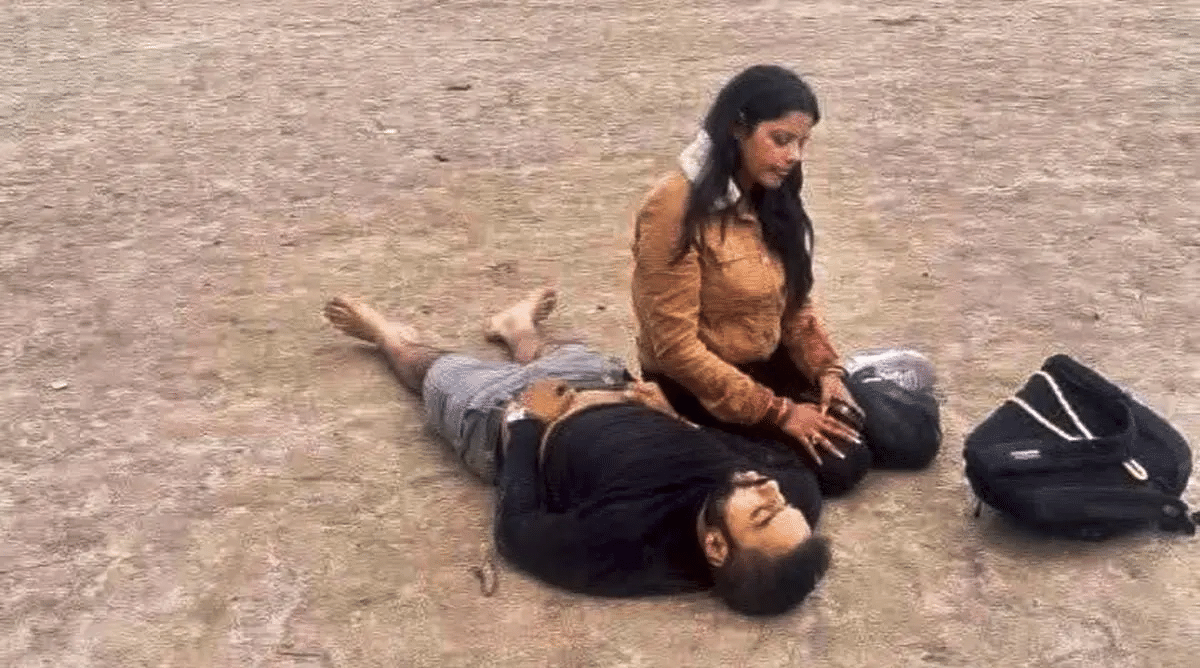
On 22 April 2025, gunmen walked into Baisaran meadow above Pahalgam and separated the tourists from the view. Twenty-six people were killed, twenty-five of them Indian, one Nepalese. Eyewitnesses and official accounts agree on the method. Men were asked their religion. Some were told to recite the kalima. Those who could not were shot at close range, in front of their wives. The United States Commission on International Religious Freedom called it a blatant targeting of people for their faith. The Resistance Front, a Lashkar-e-Taiba proxy, owned the massacre. India answered with Operation Sindoor. Pakistan answered, as it always does, with denial, and then with a sermon.
That sermon was delivered again this week at the UN General Assembly’s Sixth Committee. Pakistan’s deputy permanent representative used the legal committee to lecture the world on religious hatred and minority rights. India’s First Secretary, Raghoo Puri, answered in a right of reply that cut through the ritual. The victims in Pahalgam, he said, were not asked about their political orientation. They were asked about their religion. It is therefore deeply ironic that Pakistan speaks of combating religious hatred while allowing the conditions that enable it to persist, especially by fomenting cross-border terrorism.
The irony is not rhetorical. It is the whole record.
A state that shelters the infrastructure of jihad does not get to redefine the killing of civilians by faith as a dispute over politics. Pahalgam was not an argument about Article 370, elections, or “alienation.” The gunmen did not pause to ask about party cards. They asked a theological question and executed the wrong answer. That is religious hatred with a rifle. To hear its enablers condemn religious hatred from a UN microphone is not diplomacy. It is laundering.
Puri placed the meadow in a longer chain the committee has heard before and prefers to forget. The world has not forgotten 9/11, or that Osama bin Laden was found in Abbottabad. It has not forgotten 26/11, when Pakistani terrorists killed 166 people in Mumbai and the handlers remained beyond reach. It has not forgotten Pahalgam. Families of all three are still waiting for closure while the organisational charts survive. Pakistan presents itself as a frontline state and a victim. The more accurate description, in Puri’s phrase, is that the Frankenstein the Pakistani state created has slipped its leash: the same networks that were exported across the border now kill inside Pakistan too. Loss of control is not innocence. It is the bill for a policy.
The minority-rights brief from Islamabad fails the same test. A government that has institutionalised the persecution of Ahmadis, Hindus and Christians, and that reaches for sectarian labels when it wants to criminalise its own opponents, is an odd instructor in freedom of belief. The point is not that India is beyond criticism. The point is that the critic in this case is the sponsor of the method under discussion. When the method is to sort civilians by faith and shoot, the lecture on Islamophobia is not a human-rights intervention. It is a diversion.
There is a practical consequence for the committee, and for the Financial Action Task Force plenary Puri flagged. If religious hatred is the harm to be sanctioned, then the targeting of tourists by creed is the case, not the press release that follows it. Accountability runs to the groups, the finance, and the safe haven, including the question Puri put directly: what has actually been done to find Masood Azhar once the reward for him was raised? Narrative management at the Sixth Committee does not answer that. Bombed-out airfields presented as victory do not answer it either.
Pahalgam’s dead cannot correct the record. The diplomats can. They were asked their religion. That fact should be harder to bury than a UN talking point.