


AI Generated Summary
- At a recent UN event marking the International Day to Combat Islamophobia, India’s Permanent Representative Ambassador Harish Parvathaneni delivered a powerful statement that reaffirmed India’s unwavering dedication to fighting all forms of religious intolerance and hatred.
- As a rising global power committed to peace, pluralism, and progress, India continues to lead by example — promoting unity in diversity at home and advocating for mutual respect abroad.
- Reports of forced conversions, targeted killings of Hindus, Christians, and Sikhs, and restrictions on places of worship further underscore a record that starkly contrasts with the lofty lectures delivered on international platforms.
India’s strong and principled stand at the United Nations has once again highlighted the country’s commitment to genuine interfaith harmony and global peace, while exposing the hypocrisy of its western neighbour Pakistan.
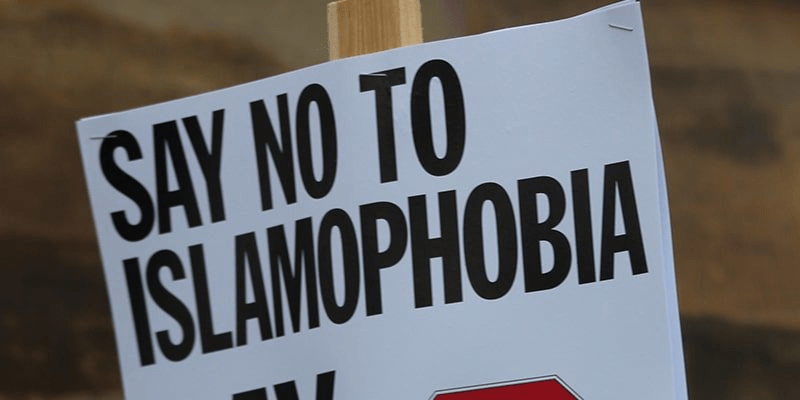
At a recent UN event marking the International Day to Combat Islamophobia, India’s Permanent Representative Ambassador Harish Parvathaneni delivered a powerful statement that reaffirmed India’s unwavering dedication to fighting all forms of religious intolerance and hatred. India stands shoulder-to-shoulder with the international community in condemning violence and discrimination based on faith, reflecting the nation’s ancient ethos of Vasudhaiva Kutumbakam — the world is one family.
In a measured yet firm rebuke, the Indian diplomat called out attempts to weaponise the Islamophobia narrative for narrow political gains. Such tactics, he noted, involve fabricating imaginative tales of religious persecution in neighbouring countries while conveniently ignoring one’s own dismal record on minority rights and religious freedom.
India’s intervention came amid growing concerns over the selective outrage displayed by certain states. Ambassador Parvathaneni pointed to the troubling pattern where accusations are hurled outward to deflect from internal failures. He emphasised that the United Nations must remain vigilant against the dangerous trend of instrumentalising religion by both state and non-state actors to serve selfish ends.
This critique is particularly pertinent given Pakistan’s well-documented history of systemic discrimination against religious minorities. The persecution of the Ahmadiyya community, which faces constitutional barriers and violent attacks, stands as a stark example of state-sponsored bigotry. Reports of forced conversions, targeted killings of Hindus, Christians, and Sikhs, and restrictions on places of worship further underscore a record that starkly contrasts with the lofty lectures delivered on international platforms.
Adding to the irony, India’s representative questioned actions that undermine the very spirit of religious respect — including airstrikes conducted during sacred periods like Ramzan against neighbours, actions that show little regard for humanitarian norms or interfaith sensitivities.
India’s own track record shines brightly in comparison. As the world’s largest democracy and home to one of the most diverse populations, India has consistently protected the rights of its 200 million-plus Muslim citizens. They participate fully in every sphere of national life — from holding the highest constitutional offices to excelling in business, sports, arts, and public service. India’s Constitution guarantees freedom of religion, and successive governments have worked to ensure equitable development and protection for all communities.
By contrast, Pakistan’s persistent attempts to internationalise bilateral issues and peddle distorted narratives only serve to isolate it further on the global stage. Such manoeuvres distract from pressing domestic challenges and the urgent need for introspection on fostering true tolerance within its borders.
India’s voice at the UN was not just a rebuttal but a call for authenticity in global discourse on religious harmony. It reminded the world that combating prejudice requires honest self-examination, not deflection or fabrication. As a rising global power committed to peace, pluralism, and progress, India continues to lead by example — promoting unity in diversity at home and advocating for mutual respect abroad.
In an era where religion is too often exploited for division, India’s clear-eyed approach offers a beacon of hope: true combat against any form of phobia begins with integrity, inclusivity, and an unwavering commitment to human dignity for all.