


AI Generated Summary
- Officials described the response from farmers as “encouraging,” prompting the government to scale up the scheme as part of its broader strategy to reduce dependence on paddy, a crop widely blamed for excessive groundwater usage.
- In a renewed effort to tackle its worsening groundwater depletion, the Punjab government has significantly widened its crop diversification programme, announcing an expansion of kharif maize cultivation across 16 districts for the 2026–27 agricultural season.
- The initiative, spearheaded by state Agriculture and Farmers Welfare Minister Gurmeet Singh Khudian, builds on the success of a pilot project conducted last year in six districts.
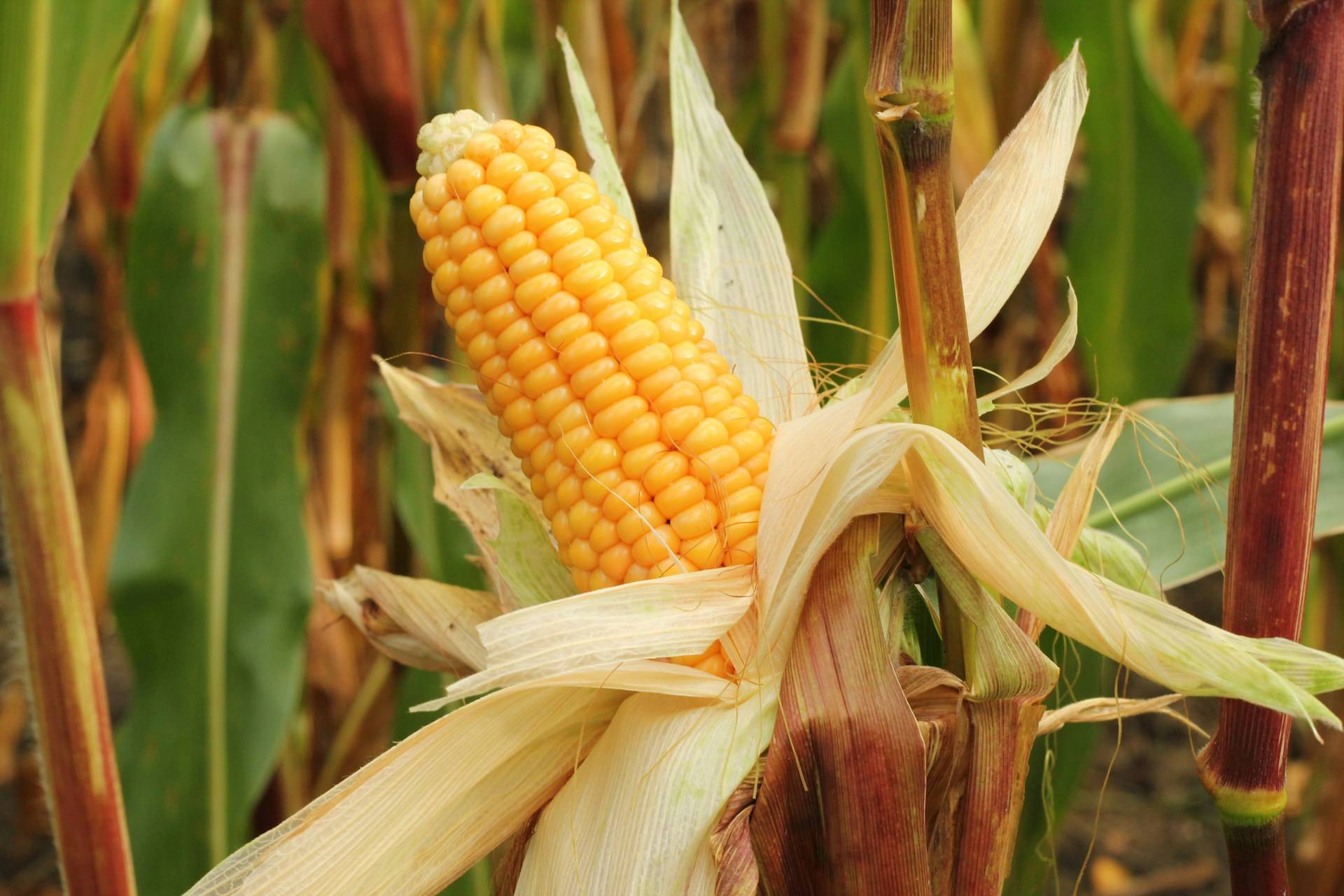
In a renewed effort to tackle its worsening groundwater depletion, the Punjab government has significantly widened its crop diversification programme, announcing an expansion of kharif maize cultivation across 16 districts for the 2026–27 agricultural season.
The initiative, spearheaded by state Agriculture and Farmers Welfare Minister Gurmeet Singh Khudian, builds on the success of a pilot project conducted last year in six districts. Officials described the response from farmers as “encouraging,” prompting the government to scale up the scheme as part of its broader strategy to reduce dependence on paddy, a crop widely blamed for excessive groundwater usage.
Under the revised plan, the government aims to bring nearly 20,000 hectares under maize cultivation during the kharif season. The targeted districts include Amritsar, Bathinda, Fatehgarh Sahib, Gurdaspur, Hoshiarpur, Jalandhar, Kapurthala, Ludhiana, Moga, Patiala, Pathankot, Rupnagar, Sangrur, SAS Nagar, SBS Nagar, and Tarn Taran.
To incentivise farmers, the state has announced a financial assistance package of ₹17,500 per hectare. Of this, ₹4,500 will be disbursed upon submission of input-related bills at local agriculture offices. The remaining amount will be released in stages, contingent upon crop verification through geo-tagged data.
Officials said the verification process would take place in two phases via the Unnat Kisan portal—between July 15 and 25, and again from August 5 to 15. Following each round, payments will be credited in instalments, ensuring compliance with the scheme’s guidelines.
Farmers interested in switching from paddy to maize must register online and provide proof of prior paddy cultivation through mandatory documentation, including a J-form. Authorities have also made geo-tagging of fields compulsory to validate claims and ensure transparency.
The government believes that encouraging maize cultivation—considered far less water-intensive than paddy—will help arrest the alarming decline in Punjab’s water table. Agricultural experts have long warned that the state’s current cropping pattern is unsustainable, with over-extraction of groundwater posing a serious environmental threat.
With this expanded programme, the state hopes to nudge farmers toward more sustainable agricultural practices while maintaining their economic security through assured incentives.