


AI Generated Summary
- The scale of cross-border narcotics trafficking along the India-Pakistan border in Punjab has emerged as a major security concern, with the Border Security Force (BSF) recovering more than 850 kg of heroin in the first nine months of 2026, a substantial increase over seizures recorded during the previous two years.
- While the sharp increase in seizures demonstrates the substantial quantities of narcotics and weapons being intercepted, it also raises questions about the overall scale of attempted cross-border trafficking.
- Cooperation between the BSF, Punjab Police and Narcotics Control Bureau has also been reinforced, reflecting the need for a coordinated response to trafficking networks whose operations frequently extend beyond the immediate border districts.
The scale of cross-border narcotics trafficking along the India-Pakistan border in Punjab has emerged as a major security concern, with the Border Security Force (BSF) recovering more than 850 kg of heroin in the first nine months of 2026, a substantial increase over seizures recorded during the previous two years.
The latest figures indicate that heroin recoveries have more than doubled compared with the 415 kg seized throughout 2025. The increase is even more pronounced against the 2024 figure of 283 kg, highlighting the growing volume of contraband being intercepted along the sensitive frontier.
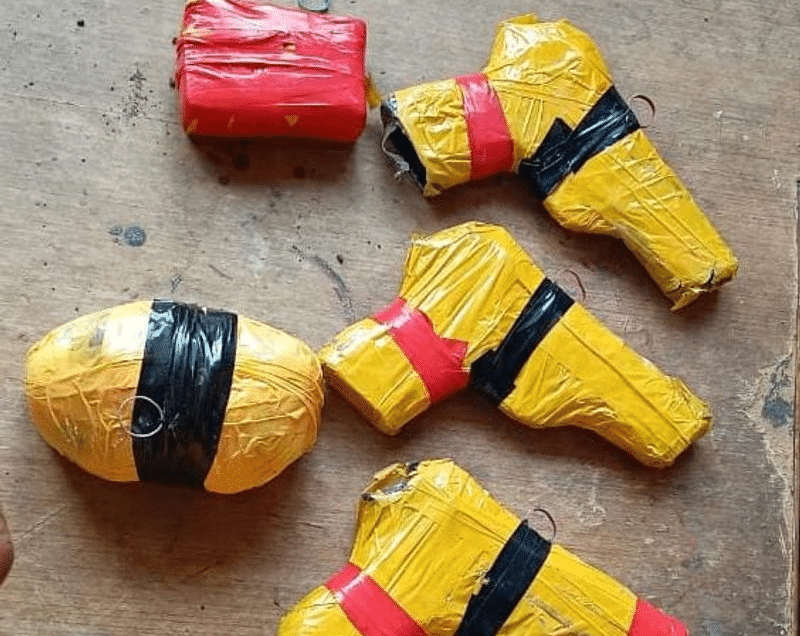
Security agencies are particularly concerned about the evolving methods employed by Pakistan-based smuggling networks, which continue to exploit unmanned aerial vehicles to transport narcotics, weapons and other prohibited materials across the International Border.
Although drone recoveries have declined, the technology remains central to cross-border trafficking operations. BSF personnel recovered 182 drones until the end of September this year, compared with approximately 290 in each of the preceding two years. The figures suggest a changing operational environment, although the decline in recoveries does not necessarily indicate a corresponding reduction in drone incursions.
Beyond heroin, the range of narcotics being intercepted has also widened. Recoveries of opium have risen significantly, reaching approximately 44 kg this year against 12 kg in 2025 and 16 kg in 2024. Meanwhile, seizures of crystal methamphetamine, commonly known as ICE, stood at around 14 kg. Although lower than the 21 kg recovered last year, the quantity remains considerably higher than the 1.4 kg seized in 2024.
The simultaneous movement of different categories of narcotics presents an additional challenge for enforcement agencies attempting to dismantle the financial and logistical networks supporting the illegal trade.
An equally significant concern is the increase in arms trafficking through the border belt. The BSF has recovered 261 weapons, including assault rifles, during the current year, compared with approximately 200 in 2025 and 36 in 2024. Ammunition-related recoveries have also increased, with 390 weapon magazines seized this year against 286 last year and 47 in 2024.
According to Punjab Police officials, these consignments are believed to be destined for terrorist modules, organised criminal groups and gang networks operating within Punjab and elsewhere in the country. The convergence of narcotics trafficking and illegal arms movement has added another dimension to the security challenges facing the state.
In response, the BSF and state law enforcement agencies have expanded their operational focus beyond conventional border surveillance. Security operations now extend several kilometres into villages and settlements adjoining the frontier, with greater emphasis on intelligence gathering, technological monitoring and coordinated enforcement.
BSF Punjab Frontier Inspector General Atul Fulzele has indicated that changes in smuggling patterns have necessitated corresponding adjustments in security strategy. Intelligence-led joint operations have been intensified, while surveillance and enforcement activities have been extended approximately five to eight kilometres into the hinterland from the International Border.
The Punjab Police have also deployed anti-drone systems to supplement existing border security arrangements. At the community level, village defence committees are being engaged to strengthen local intelligence networks and facilitate the identification of suspicious activities in vulnerable areas.
Cooperation between the BSF, Punjab Police and Narcotics Control Bureau has also been reinforced, reflecting the need for a coordinated response to trafficking networks whose operations frequently extend beyond the immediate border districts.
Geographically, Amritsar and Tarn Taran remain prominent corridors for attempted infiltration and smuggling activities linked by security officials to Pakistan-based networks backed by the Inter-Services Intelligence (ISI). However, recent recovery patterns have also drawn attention to the Ferozepur sector, where major seizures have increased in recent months.
The changing geographical distribution of recoveries underscores the need for security agencies to continuously reassess vulnerable stretches of the frontier rather than concentrate resources exclusively on established trafficking routes.
While the sharp increase in seizures demonstrates the substantial quantities of narcotics and weapons being intercepted, it also raises questions about the overall scale of attempted cross-border trafficking. Recovery statistics alone cannot establish whether the increase reflects higher smuggling volumes, improved detection capabilities or a combination of both.
For security agencies, the immediate priority remains disrupting the networks responsible for receiving, distributing and financing these consignments after they cross the border.
With traffickers adapting their methods and expanding their operational reach, the Punjab frontier continues to demand sustained technological investment, effective intelligence sharing and close coordination between central and state security forces.