


AI Generated Summary
- All India Radio (AIR), Amritsar, has expanded its Gurbani broadcast from the Golden Temple to a full two-hour slot, a step that has been warmly received by listeners on both sides of the International Border.
- Former engineer Harjap Singh Aujla, who had been at the forefront of the demand for a longer FM broadcast, said medium wave signals often become weak and distorted over distance and have lost relevance as fewer people now use MW radio sets.
- The extended broadcast is transmitted from AIR’s relay centre at Gharinda village near Attari and is operated under the External Services Division, which also produces Urdu and Saraiki programmes aimed at listeners across the border.
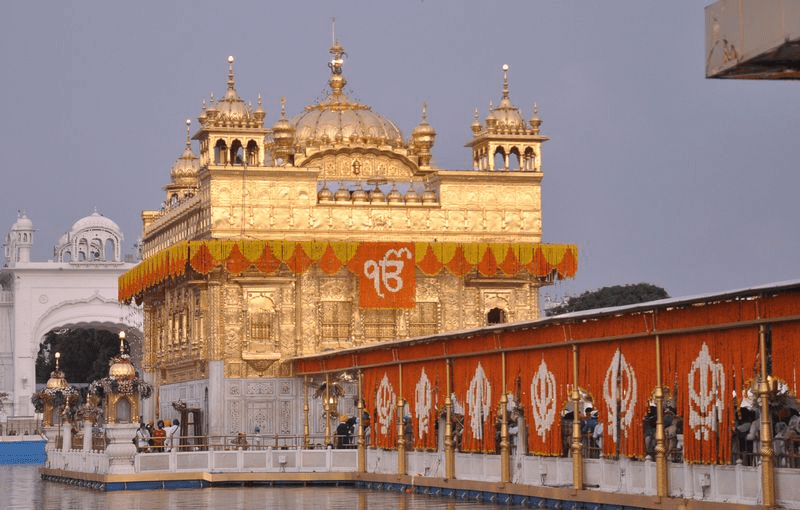
Amritsar residents and devotees across the border region have a new reason to tune in early each morning. All India Radio (AIR), Amritsar, has expanded its Gurbani broadcast from the Golden Temple to a full two-hour slot, a step that has been warmly received by listeners on both sides of the International Border.
The enhanced service, rolled out by Prasar Bharati from January 13, now carries the complete early morning kirtan live on FM radio. The transmission reaches large parts of Amritsar, Tarn Taran and Gurdaspur districts, while also being clearly audible in neighbouring areas of Pakistan, where there has long been an audience for sacred Sikh music.
Until now, AIR Amritsar had been airing Gurbani for just one hour, between 5 am and 6 am, since the station’s launch in September 2018. The extended broadcast is transmitted from AIR’s relay centre at Gharinda village near Attari and is operated under the External Services Division, which also produces Urdu and Saraiki programmes aimed at listeners across the border.
The move has been seen as particularly significant given the limitations of medium wave radio, which has traditionally carried Gurbani from the Golden Temple. While AIR Jalandhar continues to broadcast three hours of daily kirtan on medium wave — including a two-hour morning slot from 4 am to 6 am — many listeners say FM offers a far superior experience.
Former engineer Harjap Singh Aujla, who had been at the forefront of the demand for a longer FM broadcast, said medium wave signals often become weak and distorted over distance and have lost relevance as fewer people now use MW radio sets. “FM provides much clearer sound and is not affected by signal shadows from high-rise buildings. People in border districts like Amritsar, Tarn Taran, Gurdaspur and Pathankot can now listen to the complete morning Gurbani without interruption,” he said.
Aujla also expressed hope that AIR Amritsar would eventually introduce an evening Gurbani broadcast, similar to the 4.30 pm to 5.30 pm slot aired by AIR Jalandhar.
Community members and cultural organisations have welcomed the development, noting that radio remains a deeply personal medium for devotional listening. Kulwant Singh Ankhi, patron of the Amritsar Vikas Manch, said many devotees still prefer radio over television. “Even in Lahore, there has always been a dedicated audience for Gurbani rendered in classical ragas. Renowned Punjabi poet Ustad Daman was known to listen to it regularly,” he recalled.
For listeners like Satnam Singh of Dhotian village, the morning broadcast is an essential part of daily life. “Listening to kirtan on the radio at dawn feels like an act of worship. It sets the tone for the entire day,” he said.
The demand for broadcasting Gurbani on radio has a long history, dating back to the Dharam Yudh Morcha in 1982. After Operation Bluestar in June 1984, AIR Jalandhar began relaying shabad kirtan from the Golden Temple for three hours daily, establishing a tradition that has continued for decades.
Bhagwant Singh Dhangera, manager of the Golden Temple, said the expanded FM broadcast reflects the spiritual needs of devotees. “It is encouraging that people can now listen to two full hours of Gurbani. Many consider it an art meant to be heard rather than watched, which is why radio remains so important,” he said.
With clearer sound and wider reach, the extended FM broadcast has strengthened a cherished daily ritual for thousands of listeners, reaffirming radio’s enduring role in carrying faith, music and tradition across borders.