


AI Generated Summary
- The book meticulously records the council’s role in navigating turbulent historical periods – from the pre-independence freedom struggle and the partition of India to the challenges of post-1947 nation-building and the rapid modernisation of education in recent decades.
- Available in leading bookstores and through the college’s channels, the volume is expected to appeal to a wide readership interested in Sikh heritage, educational history, and the enduring power of institutional leadership.
- Spanning 136 years of institutional evolution, the volume details how a visionary body of Sikh leaders transformed a modest college into a premier centre of higher learning that continues to shape generations of students from Punjab and beyond.
A landmark publication has thrown fresh light on one of Punjab’s most storied educational institutions, tracing the remarkable journey of the Khalsa College Council over nearly a century and a half.
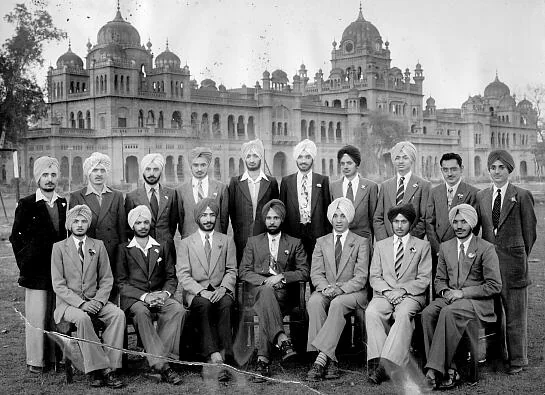
Titled to capture the sweep of history it documents, the new book offers a comprehensive chronicle of the council that has guided Khalsa College Amritsar since its founding in 1892. Spanning 136 years of institutional evolution, the volume details how a visionary body of Sikh leaders transformed a modest college into a premier centre of higher learning that continues to shape generations of students from Punjab and beyond.
The book meticulously records the council’s role in navigating turbulent historical periods – from the pre-independence freedom struggle and the partition of India to the challenges of post-1947 nation-building and the rapid modernisation of education in recent decades. It highlights the unwavering commitment of successive council members to preserving Sikh values while embracing progressive education, scientific temper, and inclusive growth.
Readers will find rich accounts of pioneering initiatives taken by the council, including the expansion of academic programmes, infrastructure development, and the promotion of sports, arts, and cultural activities that have earned Khalsa College a distinctive place in India’s educational landscape. The narrative also brings to life the contributions of prominent Sikh personalities who served on the council, many of whom were freedom fighters, reformers, scholars, and administrators whose vision helped the institution weather political upheavals and financial constraints.
What makes the book particularly compelling is its blend of archival depth and human stories. It draws upon rare documents, minutes of historic meetings, photographs, and personal correspondences to reconstruct key moments when the council took bold decisions – such as introducing new faculties, resisting external pressures during sensitive times, and ensuring the college remained a beacon of merit and character-building.
Speaking about the significance of the publication, sources close to the project described it as more than a mere institutional history. “This book is a testament to the resilience, foresight, and cultural pride that have defined the Khalsa College Council,” one contributor noted. “It reminds us how a single governing body, rooted in community ethos, can sustain an institution through 136 years of social, political, and technological change while staying true to its founding ideals.”
The release of the book comes at a time when Khalsa College continues to evolve, with ongoing efforts to blend traditional wisdom with contemporary education and research. Observers believe the publication will serve as both an inspiring record for alumni and a valuable reference for historians and educationists studying the role of community-led institutions in India’s development.
Available in leading bookstores and through the college’s channels, the volume is expected to appeal to a wide readership interested in Sikh heritage, educational history, and the enduring power of institutional leadership.
As Punjab reflects on its rich legacy of learning and reform, this new chronicle stands as a powerful reminder that behind every great institution lies decades of quiet dedication, principled governance, and an unshakeable sense of purpose. The Khalsa College Council’s 136-year story, now preserved in print, offers timeless lessons for future generations.