


AI Generated Summary
- The results underscore the increasing political prominence of the Punjabi diaspora in Canada, particularly in constituencies where the community has established a strong demographic and electoral presence.
- One of the most striking aspects of the election was the Conservative Party’s performance in Surrey, a city known for its substantial Punjabi population and deep cultural connections with Punjab.
- Their victories came amid a major political shift in the province, with the Conservatives securing a commanding majority and ending the NDP’s hold on government.
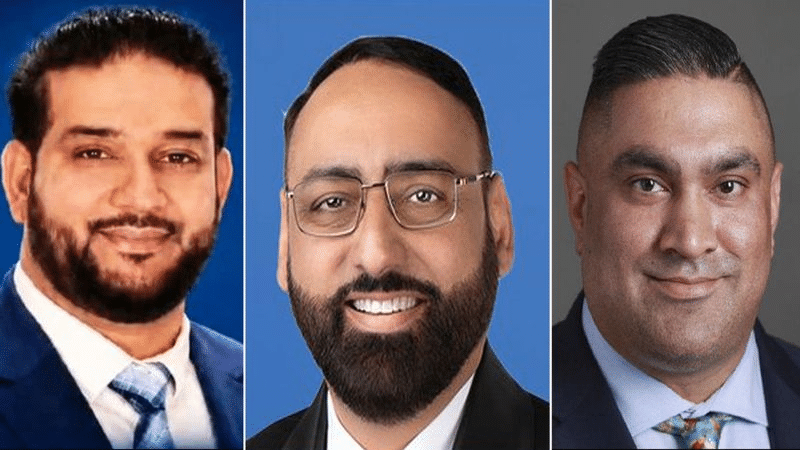
Candidates of Punjabi origin have made a significant mark in British Columbia’s provincial elections, with 15 securing seats in the 93-member Legislative Assembly. The results underscore the increasing political prominence of the Punjabi diaspora in Canada, particularly in constituencies where the community has established a strong demographic and electoral presence.
Of the 15 successful candidates, 12 represent the Conservative Party of British Columbia, while three belong to the New Democratic Party (NDP). Their victories came amid a major political shift in the province, with the Conservatives securing a commanding majority and ending the NDP’s hold on government.
The October 24 election witnessed a remarkable turnaround in the province’s political landscape. With more than 99 per cent of votes counted, the Conservatives had secured 64 seats, leaving the NDP with 27 and the Green Party with two. The outcome marks the Conservatives’ first majority government in British Columbia since 1928.
One of the most striking aspects of the election was the Conservative Party’s performance in Surrey, a city known for its substantial Punjabi population and deep cultural connections with Punjab. The party captured all 10 constituencies in Surrey, dislodging several established NDP representatives and transforming what had long been considered an important electoral stronghold for the party.
Among the prominent winners was Mandeep Singh Dhaliwal, who retained Surrey North after having previously defeated former NDP minister Rachna Singh in 2024. Surrey-Newton also shifted to the Conservatives, with Harjit Taliwal emerging victorious in a constituency that had remained under NDP influence for several years.
In Surrey-Fleetwood, Conservative candidate Garry Purewal defeated veteran NDP politician Jagrup Brar, who was born in Punjab’s Bathinda district and had represented the constituency since 2004. Brar’s defeat was particularly significant, given his long association with provincial politics and his established presence within the Punjabi-Canadian community.
Another notable victory came in Surrey-Guildford, where Garry Thind defeated NDP incumbent Garry Begg. Thind’s provincial success followed his election as a school trustee in Surrey’s municipal elections just a week earlier.
Zeeshan Wahla secured Surrey City Centre in a closely fought contest against the NDP’s Amna Shah, while Jessy Sahota was also among the successful Conservative candidates.
Beyond Surrey, Punjabi-origin Conservative candidates registered victories across several constituencies, demonstrating that their electoral influence extends well beyond the traditional centres of Punjabi settlement.
Harman Bhangu won Langley-Abbotsford, while Jody Toor emerged victorious in Langley-Willowbrook. Steve Kooner secured Richmond-Queensborough, and Monica Mohan won Delta North. Pavneet Singh registered a victory in Kelowna-Lake Country-Coldstream, while Deep Sandhu captured Vancouver-Fraserview.
Despite the Conservative wave, three Punjabi-origin NDP candidates managed to secure victories. Raj Chouhan won Burnaby-New Westminster, Niki Sharma retained the party’s presence in Vancouver-Hastings, and Rohini “Reah” Arora emerged successful in Burnaby East.
Their victories ensured that Punjabi-origin representation in the provincial legislature would extend across party lines, even as the NDP suffered substantial electoral losses.
The election also brought a major leadership transition in British Columbia. Conservative leader Lorne Doerkson is set to take over as premier following his party’s decisive victory. Outgoing Premier David Eby, who had called the election more than two years ahead of schedule, resigned as NDP leader and accepted responsibility for the party’s defeat.
For the Punjabi community, the election represents another important chapter in its political journey in Canada. From its early roots in agriculture, transportation and small businesses, the community has gradually expanded its influence into public administration, policymaking and elected office.
British Columbia, in particular, has witnessed generations of Punjabi immigrants and their descendants becoming active participants in political life. The latest results reinforce that trajectory, with candidates of Punjabi heritage winning across urban, suburban and regional constituencies.
The outcome also carries significance for Punjab, where familial, cultural and economic connections with Canada remain particularly strong. Political developments in British Columbia are closely followed in many parts of the Indian state, especially in families with relatives settled in Surrey, Vancouver, Abbotsford and neighbouring communities.
While the Conservatives’ sweeping victory reflects broader dissatisfaction with the outgoing government, the success of Punjabi-origin candidates across political parties highlights the community’s continued integration into Canada’s democratic institutions.
With final vote counts expected in early November, the precise composition of the new legislature remains subject to confirmation. Nevertheless, the election has already established a significant milestone for Punjabi-origin political representation in one of Canada’s most economically and strategically important provinces.