


AI Generated Summary
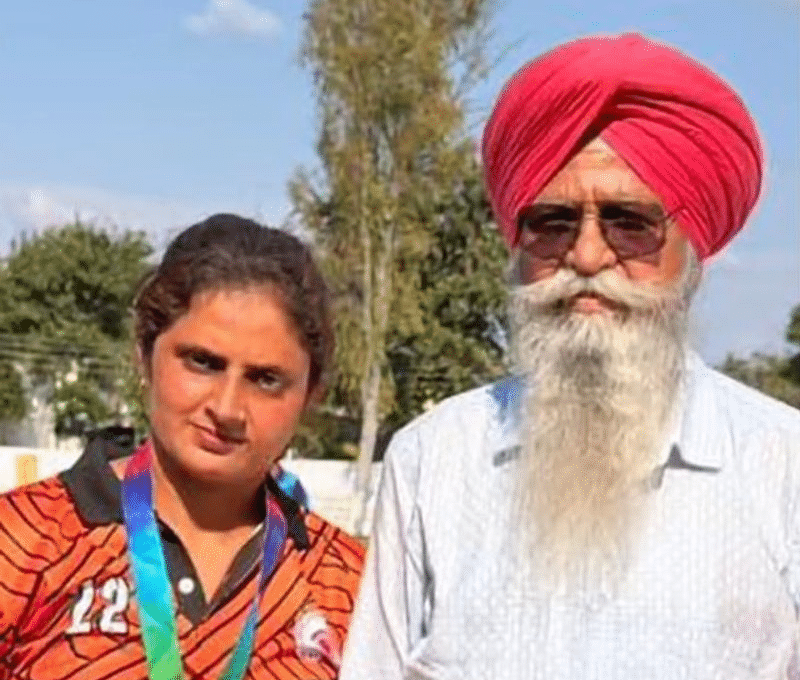
- For Daljit Kaur, a 36-year-old athlete from Dabrikhana village in Punjab’s Faridkot district, representing India on the international stage is both a sporting achievement and a personal challenge.
- The mother of two has secured a place in the national squad for the 12th Pesapallo World Cup, scheduled to take place in Sydney, Australia, from October 2 to 5.
- For the residents of the village, Kaur’s participation is a source of collective pride and an example of how athletes from rural communities continue to reach international sporting platforms despite limited resources.
The 36-year-old athlete from Faridkot, a mother of two and physical education teacher, will finance her international sporting journey despite limited financial resources.
For Daljit Kaur, a 36-year-old athlete from Dabrikhana village in Punjab’s Faridkot district, representing India on the international stage is both a sporting achievement and a personal challenge. The mother of two has secured a place in the national squad for the 12th Pesapallo World Cup, scheduled to take place in Sydney, Australia, from October 2 to 5.
Kaur departed for Australia with the Indian contingent on Wednesday, carrying the hopes of her village and the experience of nearly two decades in competitive sport.
A physical education teacher by profession, Kaur has balanced her sporting commitments with family responsibilities and her work encouraging children to pursue fitness and athletics. Her journey in international pesapallo dates back to 2008, when she participated in the World Cup in Japan.
Over the years, she has built an impressive record at the senior national championships, securing two gold, three silver and two bronze medals. Her latest selection marks another significant milestone in a sporting career sustained through determination and continued participation.
However, the opportunity to compete internationally has also highlighted the financial difficulties faced by athletes from modest backgrounds.
Despite being selected to represent the country, Kaur is personally responsible for meeting the expenses associated with her participation, including airfare, visa charges, accommodation, meals and other travel costs. Coming from an economically disadvantaged family and raising two daughters, she faces the additional challenge of arranging the necessary funds without substantial financial assistance.
Her circumstances have prompted residents of Dabrikhana to call for stronger institutional support for athletes competing at international events.
Villagers and well-wishers have appealed to the Punjab government to provide financial assistance and greater employment opportunities to accomplished sportspersons, arguing that athletes representing India should not have to shoulder the entire financial burden of international competition.
The announcement of Kaur’s selection has generated considerable enthusiasm in her village. Family members, local elders and international kabaddi commentator Mohammad Gauri, who also hails from Dabrikhana, have extended their congratulations and best wishes ahead of the tournament.
For the residents of the village, Kaur’s participation is a source of collective pride and an example of how athletes from rural communities continue to reach international sporting platforms despite limited resources.
As the competition begins in Sydney on Friday, Kaur will once again have an opportunity to represent India on the world stage. Her journey also draws attention to a broader concern in Indian sport: the financial challenges that can accompany international selection, particularly for athletes competing in disciplines that receive relatively limited public attention.