


AI Generated Summary
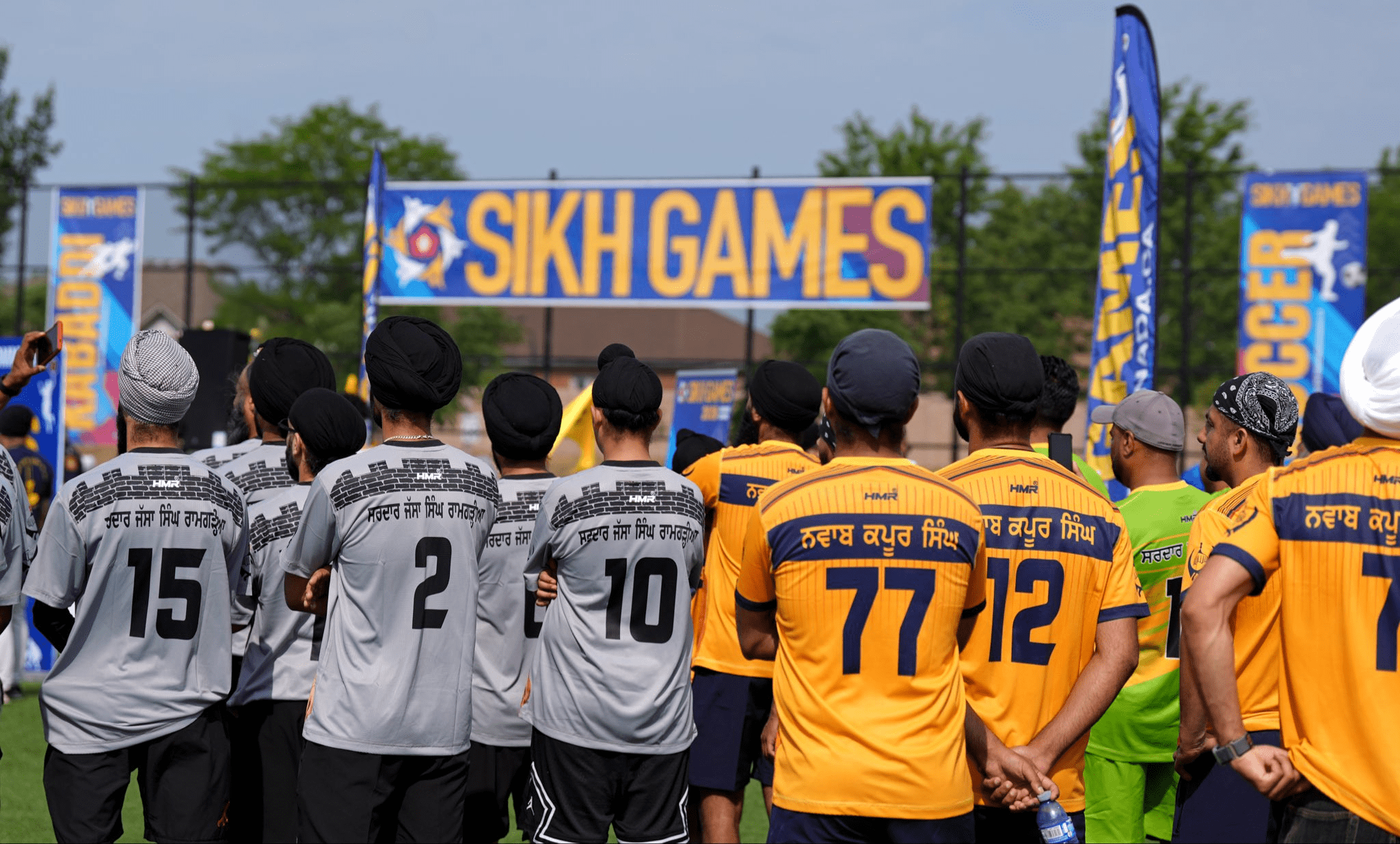
- BRAMPTON — On the fields and courts of the Brampton Soccer Centre and Cassie Campbell Community Centre, young athletes competed, cheered and connected this past weekend in what organizers and provincial leaders called a landmark moment for Ontario’s Sikh community.
- Brampton, home to one of Canada’s largest Sikh populations, provided the venues, and city leaders noted the community’s vibrancy and the city’s recreational facilities as natural fits for the event.
- The event offered competitions in soccer (with categories including under-8, under-15, open and 40+), kabaddi (including under-21 and girls’ divisions), volleyball, field hockey, basketball, weightlifting, a 5K run and gatka, the traditional Sikh martial art.
BRAMPTON — On the fields and courts of the Brampton Soccer Centre and Cassie Campbell Community Centre, young athletes competed, cheered and connected this past weekend in what organizers and provincial leaders called a landmark moment for Ontario’s Sikh community.
Ontario’s first-ever Sikh Games, organized by the Ontario Gurdwaras Committee, ran from July 31 to August 3, 2026. The multi-sport festival drew competitors and spectators for events that blended traditional and modern disciplines, all aimed at fostering youth participation, skill-building and community bonds.
Premier Doug Ford highlighted the broader value of the initiative. “Getting young people involved in sports is so important to helping them learn important skills like leadership and teamwork that will serve them throughout their lives,” he said. He thanked the Ontario Gurdwaras Committee “for bringing the Sikh community together to support youth participation in sports by organizing Ontario’s first-ever Sikh Games.”
The event offered competitions in soccer (with categories including under-8, under-15, open and 40+), kabaddi (including under-21 and girls’ divisions), volleyball, field hockey, basketball, weightlifting, a 5K run and gatka, the traditional Sikh martial art. Entry was free for spectators, and participation was open to self-identified Sikhs who are Ontario residents.
Organizers described the games as more than competition. According to the event’s official site, the goal was to create a platform where athletes could showcase their efforts while giving families a reason to gather. Beyond medals and scores, the weekend focused on supporting youth and celebrating cultural roots through sport.
The Ontario Gurdwaras Committee, which represents more than 20 gurdwaras across Ontario and Quebec, has long organized community events such as the annual Khalsa Day parade. The Sikh Games marked a new effort to channel that organizational capacity into sports as a tool for engagement and development.
Local officials welcomed the gathering. Brampton, home to one of Canada’s largest Sikh populations, provided the venues, and city leaders noted the community’s vibrancy and the city’s recreational facilities as natural fits for the event. Politicians from the provincial government, including Premier Ford and local MPPs, attended and expressed support for the athletes.
Sports have long served as a bridge in immigrant and cultural communities, teaching discipline, resilience and collaboration. For many young participants, the Sikh Games offered a chance to compete in familiar settings while connecting with peers who share similar backgrounds. Traditional elements such as gatka and kabaddi sat alongside soccer and basketball, reflecting both heritage and contemporary interests.
As the four days of competition wound down, the emphasis remained on the longer-term benefits. Organizers and supporters pointed to the role of such events in building confidence, encouraging healthy activity and strengthening social ties among the next generation. The Ontario Gurdwaras Committee’s decision to stage the province’s first dedicated Sikh Games underscored a commitment to investing in youth through accessible, community-driven sport.
In Brampton this weekend, the scoreboards told only part of the story. The larger narrative was one of young people learning on the field and carrying those lessons forward.