


AI Generated Summary
- Acquired at an estimated cost of Rs 53 crore, the systems together provide coverage across nearly 210 kilometres of the border belt, including parts of Ferozepur, Tarn Taran and Amritsar Rural.
- Punjab Director General of Police Gaurav Yadav said the term “hawai naka” had been coined to reflect the growing emphasis on securing the airspace above the border districts.
- These systems will supplement the Border Security Force’s existing operations and form part of a wider second line of defence created by the state police.
Three anti-drone systems installed in Amritsar and Tarn Taran as police strengthen the second line of defence along the Pakistan border
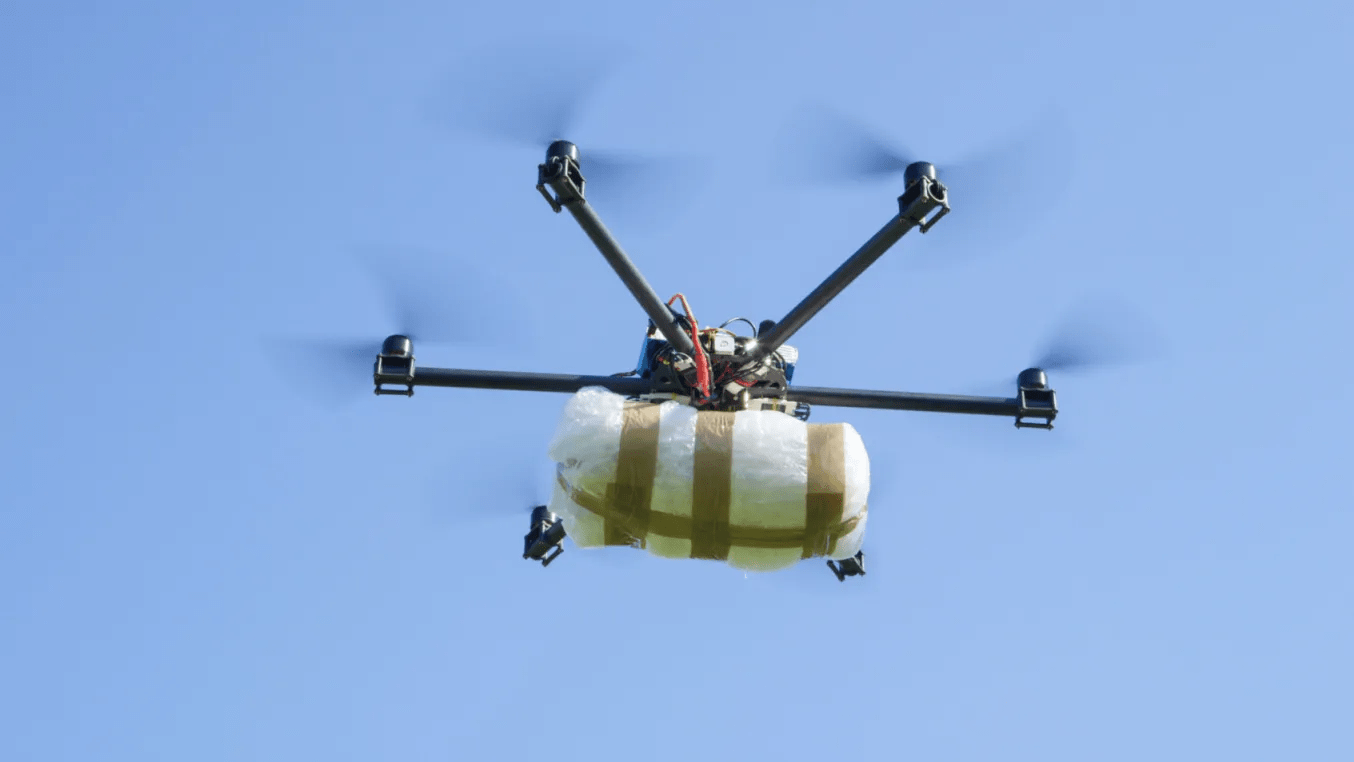
Punjab Police have established what officials describe as “hawai nakas”, or aerial checkpoints, to intercept drones being used to transport narcotics and weapons from Pakistan into Indian territory.
The initiative involves the deployment of three anti-drone systems across vulnerable stretches of the international border. These systems will supplement the Border Security Force’s existing operations and form part of a wider second line of defence created by the state police.
Punjab Director General of Police Gaurav Yadav said the term “hawai naka” had been coined to reflect the growing emphasis on securing the airspace above the border districts.
Two of the anti-drone systems have been installed in Tarn Taran district, while the third has been deployed in Amritsar Rural. Acquired at an estimated cost of Rs 53 crore, the systems together provide coverage across nearly 210 kilometres of the border belt, including parts of Ferozepur, Tarn Taran and Amritsar Rural.
Officials said the deployment locations were selected after analysing intelligence inputs and recent patterns of drone movement. The Punjab Police coordinated with the BSF, the Army, intelligence agencies and counter-intelligence units before finalising the sites.
Sharp rise in drone-based smuggling
The use of unmanned aerial vehicles for cross-border smuggling has emerged as a significant security concern in Punjab.
According to figures shared by Punjab Police and BSF officials, security agencies recovered 474 drones and seized 777.474 kilograms of heroin along the Punjab border between January 2025 and July 27, 2026.
In 2025, agencies detected 316 drone-related activities and recovered 313 drones. During the same period, 385.119 kilograms of heroin was seized.
The first seven months of 2026 witnessed the recovery of another 161 drones. The quantity of heroin seized during this period stood at 392.355 kilograms, surpassing the total recovered during the previous year.
Punjab shares a 553-kilometre international border with Pakistan. The boundary passes through the police districts of Pathankot, Gurdaspur-Batala, Amritsar Rural, Tarn Taran, Ferozepur and Fazilka.
While the BSF remains responsible for guarding the border fence and the zero line, state police officials said the nature of infiltration had changed considerably.
Smuggling is no longer dependent solely on individuals physically crossing the border. Drones can now drop packets containing drugs, weapons or ammunition at predetermined locations, where local operatives retrieve them and move the consignments within a short period.
Officials said this method has made rapid coordination between central forces, state police and intelligence agencies increasingly important.
Ground checkpoints strengthened
The aerial surveillance network is supported by an extensive system of ground checkpoints across Punjab’s seven border districts.
Police have identified 64 strategic naka points, of which 28 are currently operational. These checkpoints are staffed by 317 personnel, including 238 Punjab Police officers and 79 Punjab Home Guards personnel.
Fazilka and Ferozepur have the largest number of identified checkpoints, with 11 in each district.
Nineteen of the operational nakas are jointly staffed by Punjab Police and the BSF. These have been aligned with BSF border outposts to improve coordination and reduce the time required to respond to suspicious movement.
The checkpoint network is supported by 87 CCTV cameras installed at 25 locations. These form part of a broader surveillance system comprising 2,336 cameras across the border region, established at a cost of approximately Rs 49.58 crore.
A police official described the effort to counter drone incursions as an ongoing technological contest.
Pakistani handlers, the official said, were using increasingly sophisticated drones sourced from foreign manufacturers, forcing Indian security agencies to regularly upgrade their detection and interception capabilities.
Checkpoint network modernised
Authorities recently reviewed 72 permanent checkpoints in the border belt. Four points in Amritsar Rural were discontinued after being found redundant, while three new technology-enabled checkpoints were added.
Of the 68 checkpoints now in service, 65 have been upgraded, taking the modernisation and compliance level to about 96 per cent.
The DGP said the combined network of police checkpoints, personnel, joint operations, surveillance cameras and anti-drone systems had created multiple layers of interception.
The objective, he said, was to ensure that any consignment dropped near the border faced repeated opportunities for detection before it could be transported deeper into Punjab.
The state is also preparing to expand its technological and protective capabilities. A separate allocation of Rs 47.97 crore has been approved for 2026-27 to purchase unmanned aerial vehicles, bomb-disposal equipment and bulletproof jackets for personnel deployed in border areas.
Officials said additional anti-drone measures were also being implemented as security agencies respond to the changing methods adopted by cross-border smuggling networks.
