


AI Generated Summary
- Her story — one of arriving in Canada full of hope as an international student, only to face landlords who saw vulnerability as opportunity — is not an isolated horror.
- What begins as a search for shelter can spiral into demands for “friends with benefits,” explicit acts, or ongoing sexual access — all to keep a roof overhead.
- The podcast highlighted how power imbalances — landlords controlling housing in a tight market — turn “consent” into a hollow concept.
A recent podcast featuring a courageous woman’s account cut through the noise of daily diaspora chatter. Her story — one of arriving in Canada full of hope as an international student, only to face landlords who saw vulnerability as opportunity — is not an isolated horror. It is a symptom of a deeper rot enabled by Canada’s unrelenting housing crisis. As rents soar and supply lags, predators lurk on Craigslist, Facebook Marketplace, and other platforms, offering “warm beds” in exchange for sexual compliance. This is not housing; it is exploitation dressed as desperation’s bargain.
The woman on the podcast echoed what Brampton Regional Councillor Rowena Santos has warned about for years. Female international students, particularly from Punjab and other parts of South Asia, are prime targets. They arrive with limited local networks, face rental discrimination, and grapple with high costs in cities like Brampton, Toronto, and Surrey. When legitimate affordable options disappear, subtle ads promising “help for struggling students” or “open-minded arrangements” become traps. What begins as a search for shelter can spiral into demands for “friends with benefits,” explicit acts, or ongoing sexual access — all to keep a roof overhead.
Families back in Punjab listen intently, sending sons and daughters abroad for better futures, unaware that the dream can become a nightmare of coercion. The podcast highlighted how power imbalances — landlords controlling housing in a tight market — turn “consent” into a hollow concept. Fear of eviction, homelessness, or deportation for international students silences many. One in twenty international students reportedly facing such exploitation, according to community discussions, underscores the scale.
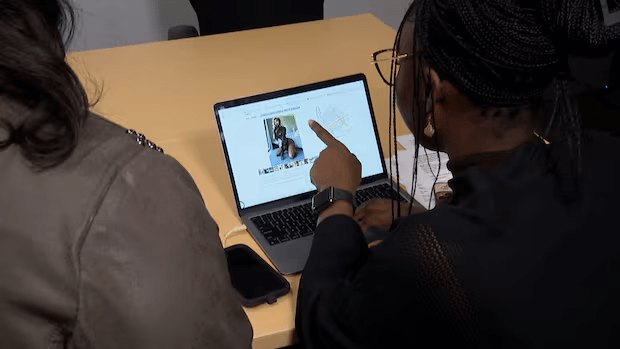
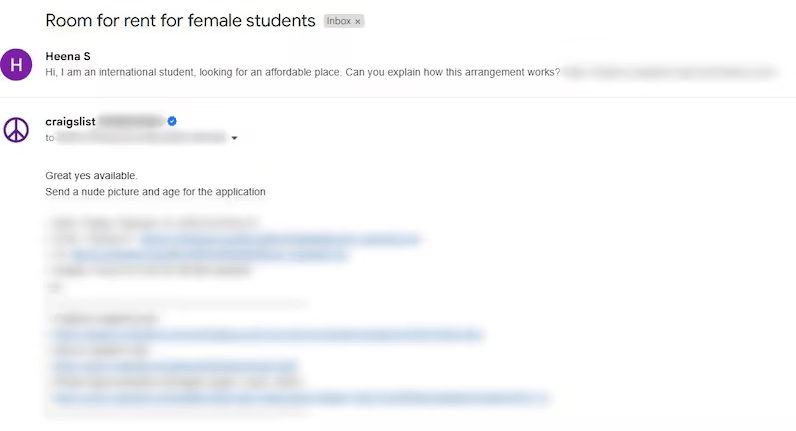
This mirrors broader findings from investigations like CBC’s Marketplace, which, though from last year, remain painfully relevant as the crisis deepens into 2026. Ads explicitly or covertly solicit sex: “Warm bed available for a young petite female… get out of the cold.” Undercover responses reveal men demanding oral sex, nude photos, or casual encounters as “payment.” Some offer to cover tuition alongside free rent for “ongoing sex.” These are not harmless arrangements between adults. As law professor Janine Benedet has argued, when shelter depends on sexual services, it constitutes an abuse of power — predatory by design.

Councillor Santos has pushed Brampton to act through rental licensing pilots, an international student charter, and motions against human trafficking. Yet enforcement lags. Platforms like Meta and Craigslist issue policy statements but fail to aggressively police content. Police must prioritize undercover responses to these ads, as Benedet suggests — the threat of prosecution and publicity is the strongest deterrent. Without it, predators operate with impunity, knowing desperation will drive victims to stay quiet.
The human cost is devastating. Survivors like “Mya” from earlier reports describe trauma that lingers: hiding at door knocks, dropping out of school, lifelong fear. In Punjabi households, where family honour and financial sacrifice weigh heavily, these stories carry extra shame. Young women internalize blame, families hesitate to speak publicly. The recent podcast broke that silence, urging listeners to recognize warning signs — vague “alternative living” offers, pressure for personal photos, or sudden demands after move-in.
Solutions require urgency. First, ramp up housing supply: accelerate purpose-built student and affordable rentals, reform zoning, and align immigration levels (including students) with infrastructure. Ontario and federal governments must treat this as the emergency it is. Second, strengthen tenant protections with faster legal aid, emergency shelters tailored for international students, and multilingual awareness campaigns in Punjabi, Hindi, and English. Third, hold platforms accountable for better moderation and swift ad removals. Fourth, law enforcement and municipalities must collaborate on proactive stings and prosecutions.
Communities must also act internally. Media outlets should continue hosting survivors and experts, fostering support networks that reduce isolation. Families sending loved ones abroad need frank briefings on risks and rights. Landlords exploiting the crisis tarnish entire communities — the vast majority who rent ethically must call out the bad actors.
Canada markets itself as a land of opportunity and welcome. Yet for too many young women navigating its housing crunch, opportunity feels like entrapment. The woman’s voice on the podcast reminds us this is not abstract policy — it is daughters, sisters, and future contributors whose dignity and safety are at stake. We owe them more than sympathy. We need enforcement, supply reforms, and cultural courage to confront exploitation head-on.
The housing crisis will not vanish overnight, but we can refuse to let it become a marketplace for human bodies. By amplifying voices like those on community radio and acting decisively, we reclaim the promise that brought so many here. Anything less betrays the very values of safety and fairness Canada claims to uphold.