


AI Generated Summary
- For devotees, the shrine stands not merely as a religious site but as a reminder of a defining chapter in Sikh thought and identity.
- The site where the Guru is believed to have stayed is now marked by Gurdwara Gurusar Barar, a shrine that draws devotees from across the region.
- Though modest in size, the village occupies a revered place in Sikh history owing to its association with the Sixth Sikh Guru, Guru Hargobind.
The border village of Barar continues to preserve a vibrant slice of Sikh heritage through faith, tradition and community celebrations. Though modest in size, the village occupies a revered place in Sikh history owing to its association with the Sixth Sikh Guru, Guru Hargobind.
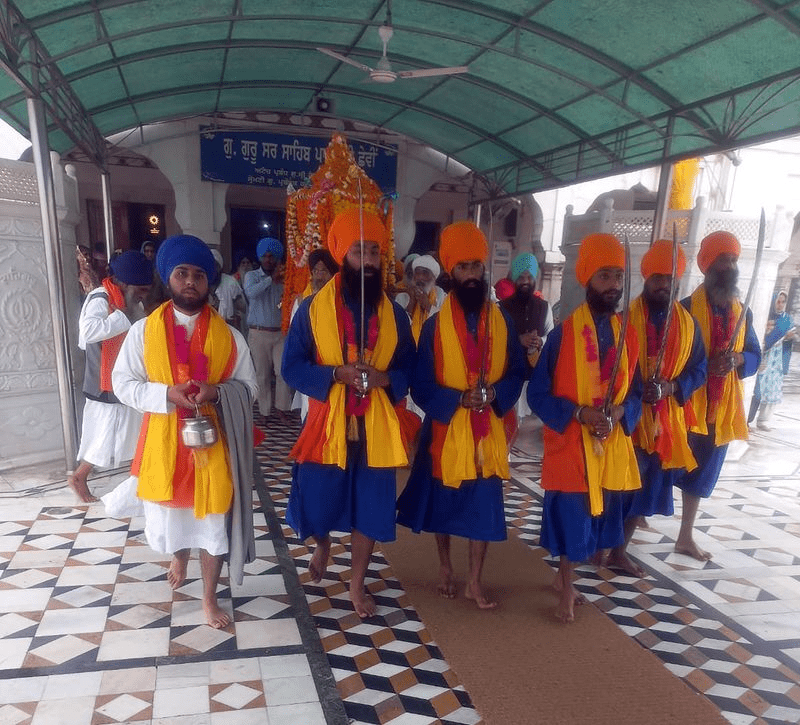
According to local tradition, Guru Hargobind halted at Barar while travelling towards Amritsar after rescuing Mata Kaulan from the custody of a harsh cleric in Lahore. The site where the Guru is believed to have stayed is now marked by Gurdwara Gurusar Barar, a shrine that draws devotees from across the region.
The gurdwara is also remembered as a symbol of the Guru’s philosophy of “Miri-Piri” — the concept that blends spiritual guidance with temporal responsibility. For devotees, the shrine stands not merely as a religious site but as a reminder of a defining chapter in Sikh thought and identity.
Located nearly 20 kilometres from Amritsar and close to the international border, Barar remains deeply rooted in old customs that continue to thrive despite rapid modernisation. Every year in June, villagers organise a grand fair to commemorate Guru Hargobind’s visit. Residents from neighbouring villages gather in large numbers to participate in prayers, community service and cultural performances.
Nirvair Singh, head granthi of the gurdwara, said the occasion witnesses participation from people belonging to all sections of society. Devotees arrive carrying milk in large quantities, which is later used to prepare kheer for visitors and pilgrims travelling from distant areas.
What makes Barar unique among border villages is its remarkable tradition of hosting 12 fairs annually — one on every Masya, or new moon day, according to the traditional Punjabi calendar. Each fair is jointly managed by one or two villages, ensuring smooth organisation and shared responsibility. The expenditure for organising a single fair is estimated to be around Rs 4 lakh.
The centuries-old system has also helped preserve the indigenous “Desi Mahine” calendar, which many fear is gradually fading from public memory. Villages such as Chawinda, Kohali, Padri, Thata and Nurpur take turns hosting the monthly gatherings linked to different months of the Punjabi calendar.
The fairs are not only religious congregations but also cultural showcases. Kavishars and Dhadhi jathas narrate heroic episodes from Sikh history through music and poetry, keeping alive tales of courage and sacrifice for younger generations.
Food remains central to the celebrations. While langar is served daily at the gurdwara, the monthly fairs feature elaborate community meals with traditional delicacies including jalebi, boondi laddoo, besan laddoo, kheer, kadah prashad and sweet rice. Devotees are also served rice, dal, vegetables, karhi and pickles as part of the main meal.
Even today, on every Masya, streams of devotees from remote villages continue to make their way to Barar, reaffirming the enduring spiritual and cultural significance of this historic border village.