


AI Generated Summary
- India’s energy ships continue to pass through these vital routes safely, thanks to strategic foresight and effective international coordination—bolstering national energy resilience in a turbulent era.
- and Israeli strikes and Iranian retaliatory actions—traffic through the strait plummeted dramatically, with some reports indicating up to a 90% drop in overall shipping.
- Many global carriers rerouted vessels around Africa’s Cape of Good Hope to avoid threats in the Red Sea and Gulf of Aden, adding 10–20 days to journeys and increasing costs.
India’s energy imports, primarily crude oil and liquefied petroleum gas (LPG), remain vital for its economy as the world’s third-largest oil consumer. Much of this supply originates from the Middle East, traversing critical maritime chokepoints like the Strait of Hormuz, the Red Sea, the Bab el-Mandeb Strait, and the Suez Canal.
In recent years, regional conflicts—including Houthi attacks in the Red Sea since late 2023 and escalating tensions involving Iran—have posed serious risks to commercial shipping. Many global carriers rerouted vessels around Africa’s Cape of Good Hope to avoid threats in the Red Sea and Gulf of Aden, adding 10–20 days to journeys and increasing costs. This diversion affected global trade flows, but India’s energy shipments have demonstrated resilience through targeted diplomatic and naval measures.
Diplomatic Success in the Strait of Hormuz
The Strait of Hormuz remains a key artery for India’s crude oil (around 40% of imports) and LPG supplies from Gulf producers like Saudi Arabia, UAE, Qatar, and others. Amid recent escalations—including U.S. and Israeli strikes and Iranian retaliatory actions—traffic through the strait plummeted dramatically, with some reports indicating up to a 90% drop in overall shipping.
India secured safe passage for its vessels through proactive diplomacy. External Affairs Minister S. Jaishankar engaged with Iranian counterparts, leading to assurances that Indian-flagged tankers could transit safely. This resulted in successful passages for vessels such as:
- LPG carriers Shivalik and Nanda Devi, which crossed under Indian Navy escort and headed to Gujarat ports.
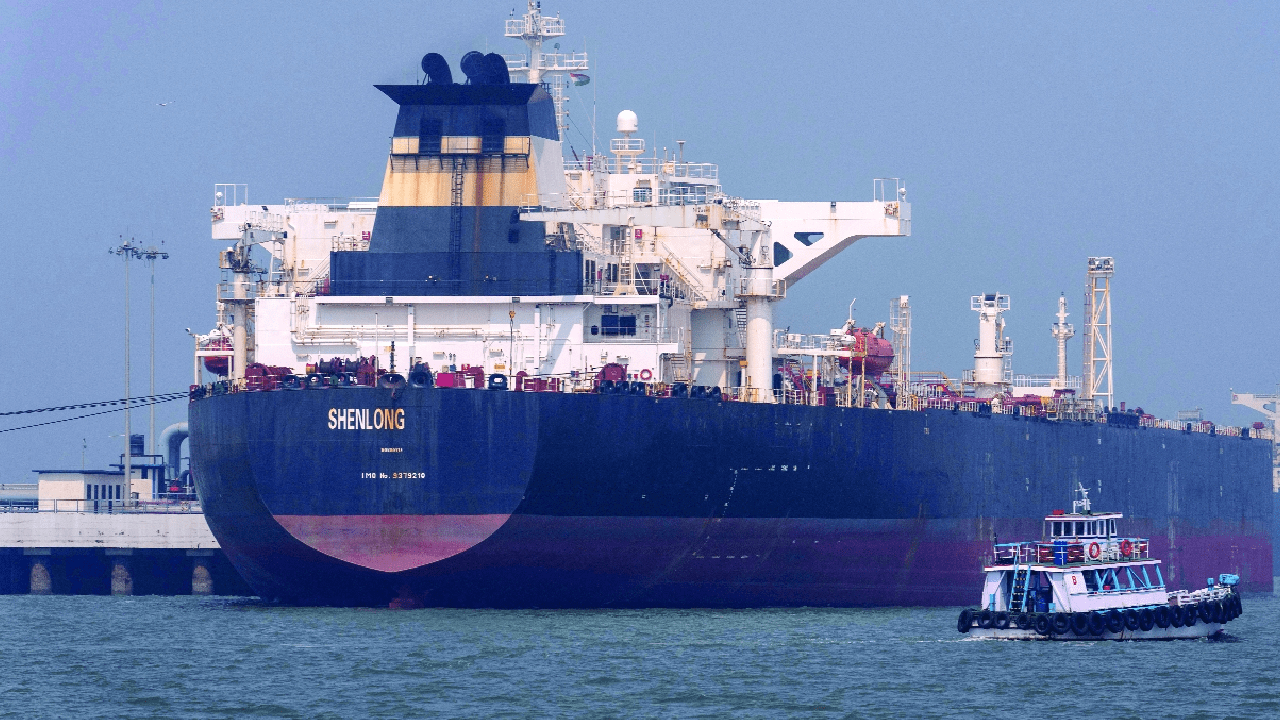
- Crude oil tankers like Pushpak, Parimal, and the Liberia-flagged Shenlong (carrying Saudi crude to Mumbai).
These transits occurred despite broader restrictions on other nations’ vessels, highlighting India’s effective negotiations to prioritize energy security. The government continues coordinating for remaining vessels and crews in the region, ensuring minimal disruptions to supplies.
Navigating Red Sea Challenges
The Red Sea route, linked to the Suez Canal, faced prolonged risks from Houthi attacks targeting certain-linked vessels. While many commercial ships avoided the area entirely—opting for the Cape route—India adopted a multifaceted approach:
- Deployment of naval assets, including Kolkata-class destroyers, to enhance maritime security and provide escorts where needed.
- Diplomatic engagements, including talks with Iran and participation in regional security efforts.
- Increased surveillance and protective measures for Indian vessels and exporters.
Attacks have varied in intensity, with periods of reduction or conditional halts (e.g., tied to ceasefires in Gaza or broader de-escalations). No major incidents targeting purely Indian energy shipments have been widely reported recently, allowing continued safe passages for those maintaining the route. Some Russian oil cargoes destined for Indian refineries (e.g., via tankers like Cordelia Moon) have transited without issue in certain phases, though risks persist due to outdated targeting data.
Broader Implications for India’s Energy Security
India’s strategy combines diplomacy, naval presence, and contingency planning to safeguard imports. While some rerouting occurs globally (and occasionally for Indian-linked trade), direct energy flows—especially via Hormuz—have been preserved through bilateral understandings.
This approach underscores India’s growing maritime influence and ability to protect economic interests amid geopolitical volatility. As regional dynamics evolve (with fragile ceasefires and potential for renewed tensions), ongoing vigilance and engagement remain essential to ensure uninterrupted energy supplies.
India’s energy ships continue to pass through these vital routes safely, thanks to strategic foresight and effective international coordination—bolstering national energy resilience in a turbulent era.