


AI Generated Summary
- Announced during a high-level visit to Mumbai and New Delhi in late February 2026, the initiative—led by Universities Canada and Colleges and Institutes Canada—involves more than 20 leading Canadian institutions and aims to deepen academic, research, and innovation links between the two nations.
- McGill University establishing a new Centre of Excellence in AI education and research in India, announced amid the Universities Canada-led mission attended by PM Carney and Minister Anand.
- Canadian Prime Minister Mark Carney highlighted the development in a public statement, noting that the agreements focus on joint research, hybrid campuses, and centres of excellence in artificial intelligence (AI).
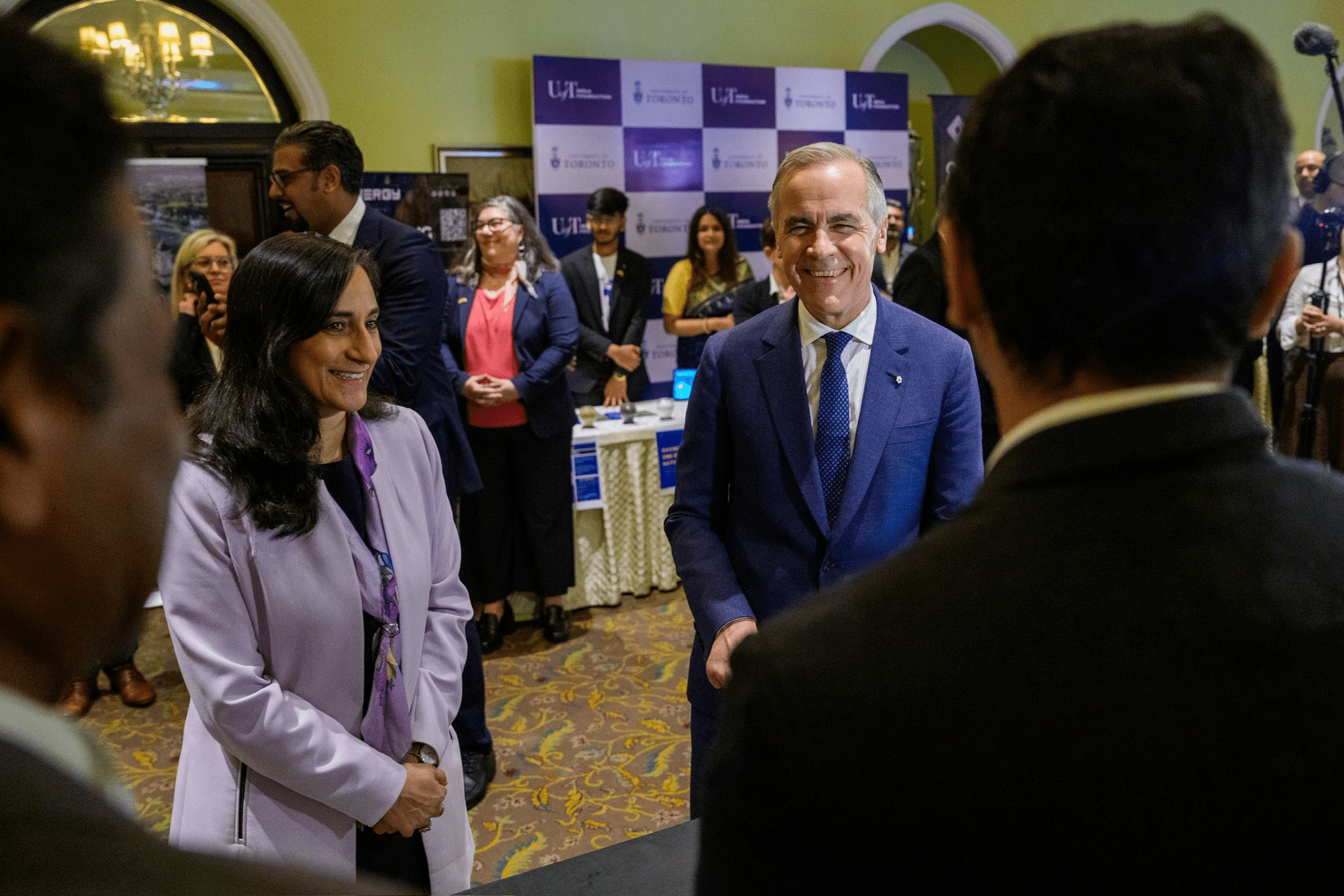
Canadian universities have forged a significant new chapter in bilateral education ties with India through the launch of the Canada-India Talent and Innovation Strategy, which includes 13 fresh institutional partnerships. Announced during a high-level visit to Mumbai and New Delhi in late February 2026, the initiative—led by Universities Canada and Colleges and Institutes Canada—involves more than 20 leading Canadian institutions and aims to deepen academic, research, and innovation links between the two nations.
Canadian Prime Minister Mark Carney highlighted the development in a public statement, noting that the agreements focus on joint research, hybrid campuses, and centres of excellence in artificial intelligence (AI). “This will provide invaluable experience for students and strengthen our world-class universities on both sides of the Pacific,” he posted on X.
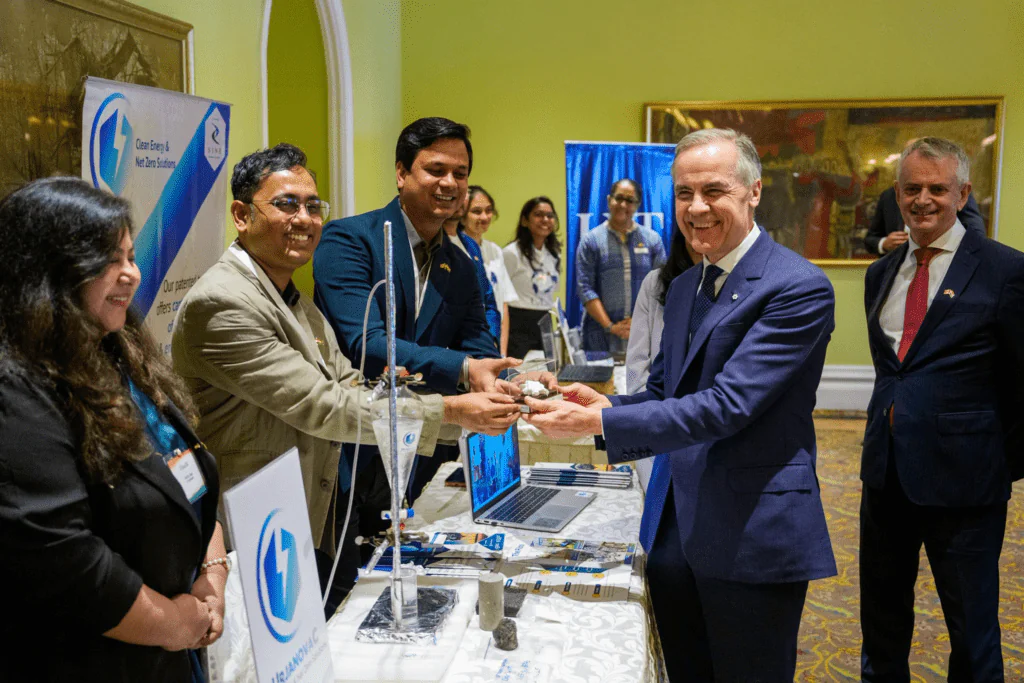
The strategy, celebrated by Foreign Affairs Minister Anita Anand during her Mumbai visit on February 28, emphasizes people-to-people connections that underpin Canada-India relations. It facilitates expanded student and faculty exchanges, collaborative research programs, hybrid learning models, and specialized AI hubs. Officials describe it as a key pillar of renewed bilateral engagement, aligning with Canada’s Indo-Pacific Strategy to promote inclusive growth, innovation, and long-term partnerships.
Notable highlights among the 13 agreements include:
- McGill University establishing a new Centre of Excellence in AI education and research in India, announced amid the Universities Canada-led mission attended by PM Carney and Minister Anand.
- The University of Toronto partnering with the Indian Institute of Science to advance AI research and education, including development of predictive AI tools for healthcare systems.
- Dalhousie University collaborating with the Indian Institute of Technology Tirupati and the Indian Institute of Science Education and Research Tirupati to create a flagship Tirupati Tri-Institutional Global Innovation Campus. This will link graduate training, industry-embedded programs, and centres of excellence in areas like digital systems, applied AI, climate-resilient agriculture, and more, enabling joint degrees, hybrid learning, and professional mobility.
Other partnerships involve institutions such as the University of British Columbia with O.P. Jindal Global University for student/faculty exchanges and research; Simon Fraser University with similar Indian counterparts; and additional MOUs supporting mobility, joint programming, and sector-specific innovation.
Minister Anand welcomed the strategy as a means to leverage existing human capital connections. “We have vast human capital, with students and faculty already deeply connected on cutting-edge research,” she stated. “This agreement will reinforce collaboration through opportunities for students and researchers, drive economic growth, and deepen the strong people-to-people ties that connect our two countries.”
The announcements come amid broader diplomatic momentum, including PM Carney’s meetings with Indian Prime Minister Narendra Modi in New Delhi, where leaders released a joint statement on expanding cooperation in energy, critical minerals, technology, AI, talent, and defence. The education push follows a historic February 2026 delegation of over 20 Canadian university presidents to India—the largest such academic mission ever from Canada.
Experts view these developments as a strategic reset in Canada-India relations, particularly in knowledge economies. By fostering hybrid campuses and AI-focused centres, the partnerships promise to equip students with global exposure, accelerate joint breakthroughs in high-priority fields like healthcare AI and sustainable technologies, and create pathways for industry collaboration across borders.
As implementation begins, the initiatives are expected to boost student mobility—potentially including funded positions and scholarships—and support commercialization of research, ultimately benefiting economies on both sides through enhanced talent pipelines and innovation ecosystems.