


AI Generated Summary
- As lakhs of devotees prepare to converge on the historic town, authorities say their primary focus remains on managing crowds, ensuring adequate facilities and preserving the sacred ethos of Hola Mohalla — a celebration that continues to embody faith, history and identity at the heart of Punjab’s cultural landscape.
- Preparations are underway for this year’s Hola Mohalla festival, scheduled from February 27 to March 3, as the Punjab government and the Shiromani Gurdwara Parbandhak Committee (SGPC) work together to ensure that the historic religious gathering remains focused on devotion rather than politics.
- The administration has emphasised that the objective is to create an environment where devotees can focus on prayer, reflection and participation in religious activities.
Anandpur Sahib: Preparations are underway for this year’s Hola Mohalla festival, scheduled from February 27 to March 3, as the Punjab government and the Shiromani Gurdwara Parbandhak Committee (SGPC) work together to ensure that the historic religious gathering remains focused on devotion rather than politics.
Officials involved in the planning process say coordination between civil authorities and Sikh religious leadership has been strengthened following tensions seen during last year’s commemorations of Guru Tegh Bahadur’s martyrdom anniversary. This time, both sides appear keen to present a united approach to managing the massive influx of pilgrims expected to arrive from across India and overseas.
Senior administrative officers have already held consultations with representatives of the Akal Takht to streamline arrangements. Meetings have focused on infrastructure, crowd control and maintaining the sanctity of the festival, which has long been considered one of Sikhism’s most important annual events.
During a recent review at Anandpur Sahib, Education Minister Harjot Singh Bains directed officials to implement extensive logistical measures. Plans include setting up an eight-acre tent city for visitors, creating a dedicated trolley parking area, establishing 25 designated parking zones, and introducing pedestrian pathways to manage foot traffic around Takht Sri Keshgarh Sahib. Authorities also intend to deploy dozens of shuttle buses and electric rickshaws to ease movement within the town.
Officials have been instructed to prioritise cleanliness, traffic regulation and a peaceful atmosphere throughout the three-day congregation. The administration has emphasised that the objective is to create an environment where devotees can focus on prayer, reflection and participation in religious activities.
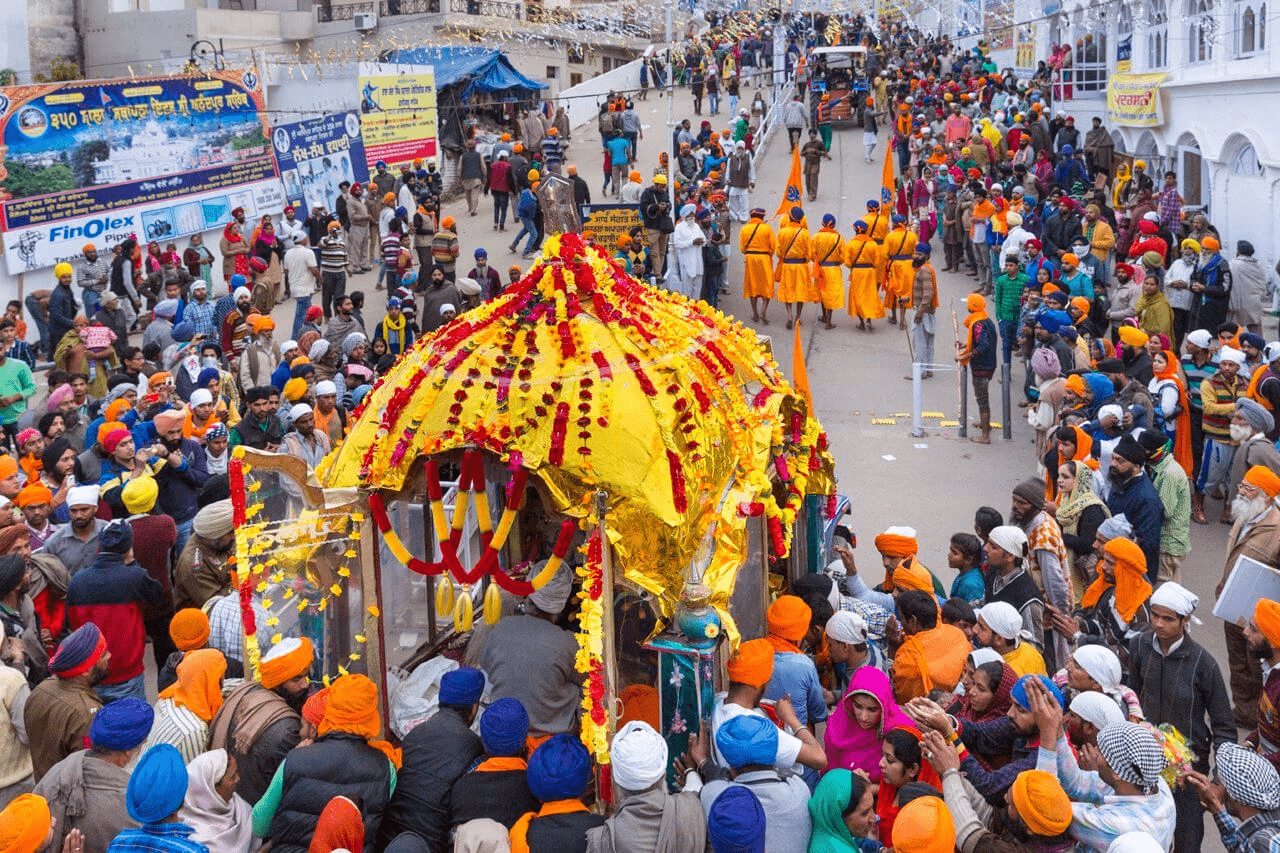
Hola Mohalla, founded by Guru Gobind Singh in 1701, holds deep historical and spiritual importance. Traditionally observed a day after Holi, the festival showcases martial traditions of the Khalsa through gatka demonstrations and processions by Nihang Singhs, alongside kirtan, sermons and community langars. For many, it represents a blend of spiritual devotion and the warrior ethos central to Sikh heritage.
Despite its religious roots, the event has often drawn political attention due to its symbolic significance within Punjab. Concerns about partisan messaging led Sikh high priests to prohibit political conferences during Hola Mohalla in 2018, a directive that remains in place today. Leaders across parties have publicly maintained that the festival should retain its spiritual character.
The upcoming celebrations carry additional sensitivity as the state heads toward Assembly elections next year. While overt political gatherings are barred, observers note that the presence of senior ministers overseeing arrangements inevitably attracts scrutiny. Maintaining harmony between the government and religious institutions is therefore being viewed as crucial in avoiding controversy.
As lakhs of devotees prepare to converge on the historic town, authorities say their primary focus remains on managing crowds, ensuring adequate facilities and preserving the sacred ethos of Hola Mohalla — a celebration that continues to embody faith, history and identity at the heart of Punjab’s cultural landscape.