


AI Generated Summary
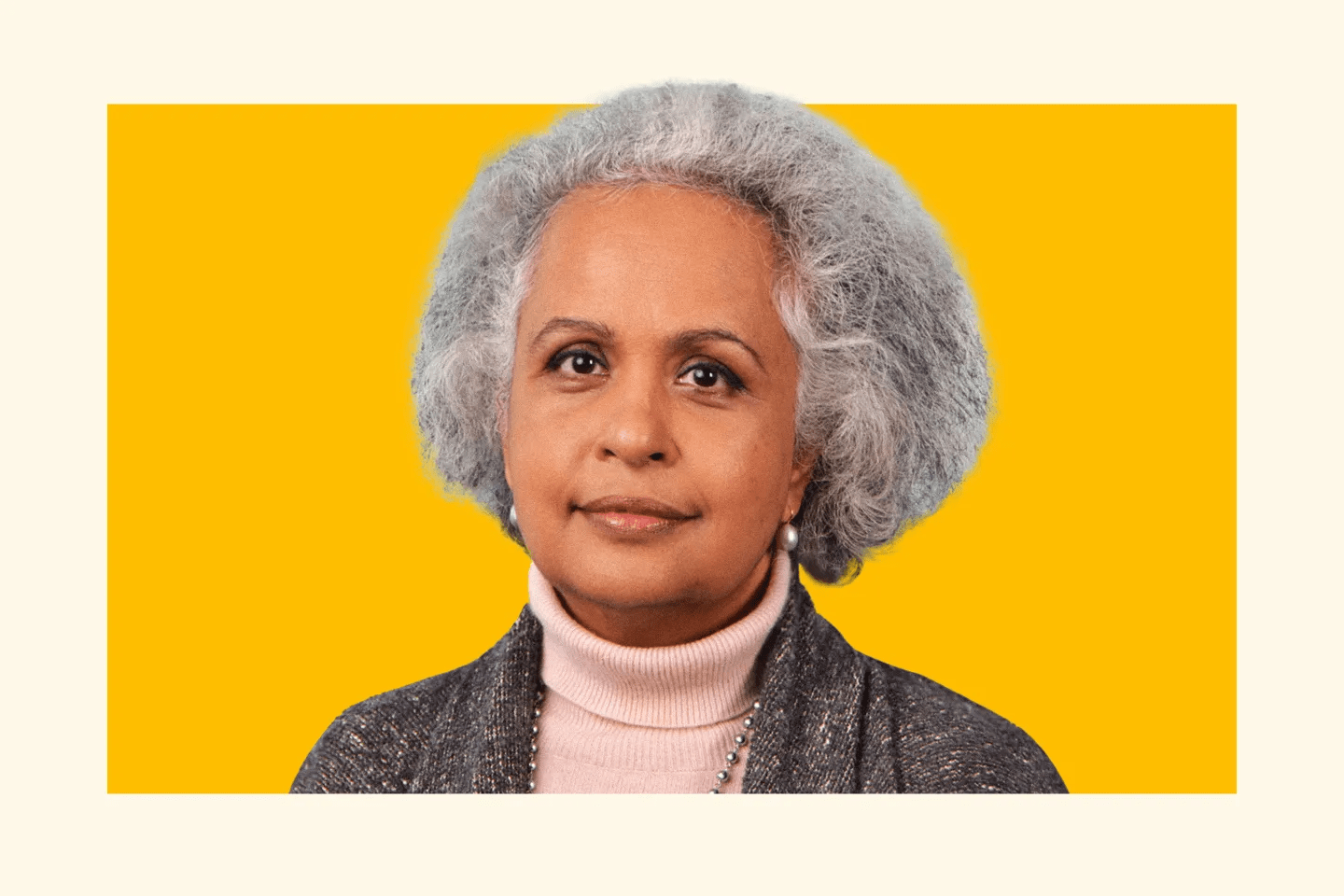
- From a schoolgirl in Chandigarh with a love for mathematics and debate to the chief financial steward of a 160-year-old global banking giant, Pam Kaur’s story is one of steady resolve, global exposure, and quietly transformative leadership.
- A summer placement with IBM in the United Kingdom proved pivotal, exposing her to the practical world of corporate finance and steering her towards qualifying as a chartered accountant.
- She formally assumed the role in January this year, stepping into one of the most influential finance positions in international banking at a time of heightened economic uncertainty and rapid technological change.
From a schoolgirl in Chandigarh with a love for mathematics and debate to the chief financial steward of a 160-year-old global banking giant, Pam Kaur’s story is one of steady resolve, global exposure, and quietly transformative leadership.
In October 2024, Kaur shattered a historic glass ceiling when she was appointed Group Chief Financial Officer of HSBC, becoming the first woman to hold the position since the bank’s founding. She formally assumed the role in January this year, stepping into one of the most influential finance positions in international banking at a time of heightened economic uncertainty and rapid technological change.
Yet, despite the scale of her responsibilities, Kaur remains firmly grounded in the values shaped by her early years in Chandigarh.
Educated at Carmel Convent School and later at Panjab University, where she completed her BCom (Hons) and MBA in Finance, Kaur’s academic path was marked by curiosity and leadership. A summer placement with IBM in the United Kingdom proved pivotal, exposing her to the practical world of corporate finance and steering her towards qualifying as a chartered accountant.
She began her professional career at Ernst & Young in London in 1986 and moved into banking in 1990. Those early years, she recalls, were defined by sparse female representation in senior roles and by constant learning in unfamiliar environments. Relocating from India to the UK demanded confidence and resilience—qualities that would later become central to her leadership style.
Some of her most formative experiences came not during boom periods, but amid crises. The 2008 global financial meltdown, in particular, tested her ability to manage complex regulatory relationships and navigate high-pressure decision-making. “Periods of stress shape judgement,” she has said, crediting these moments with strengthening her adaptability and perspective.
Kaur does not describe her rise in terms of milestones. Instead, she sees her career as a continuum, where each role built skills that prepared her for the next. Two personal decisions stand out: moving from the US back to the UK in 2005 to improve work-life balance with her husband, and later embracing senior leadership responsibilities during times of institutional change.
Today, as Group CFO, her focus is firmly on discipline, performance and delivery. Under her financial stewardship, HSBC has continued to post solid returns and grow market capitalisation, even amid global volatility. Central to this performance, she emphasises, is the bank’s strong capital base, liquidity strength, and careful capital allocation.
Steering financial strategy for a bank operating across continents requires a delicate balance between growth and resilience. Kaur’s approach rests on rigorous risk management, robust governance, and constant assessment of macroeconomic conditions. HSBC’s identity as the world’s leading trade bank, supported by a vast international network and long-standing client relationships, remains a cornerstone of its competitive edge.
Another major focus is simplification and digital acceleration. Over the past year, the bank has streamlined operations to become more agile and technology-driven. Artificial intelligence, data analytics and digital platforms are increasingly shaping how HSBC serves customers while preserving its reputation for reliability and prudence.
India holds a special place in this global vision—both strategically and personally. HSBC has been present in the country for decades and now employs more than 44,000 people there, its largest workforce anywhere in the world. The bank is expanding its physical presence with new branches in several North Indian cities and deepening its focus on affluent and globally mobile clients.
Kaur also sees India as a global innovation engine. With the country leading the world in real-time digital payments, HSBC is investing heavily in fintech partnerships, cybersecurity and technology infrastructure. A $1 billion commitment through Innovation Banking aims to support India’s growing startup ecosystem, while investment in GIFT City is designed to strengthen links between Indian and global capital markets.
Despite the demands of her role, Kaur prioritises personal balance. Daily walks, exercise, and time with her husband offer space to reflect and recharge. These routines, she believes, help sustain clarity and focus in a high-pressure environment.
Her leadership philosophy is anchored in courage, humility and integrity. Building strong teams and enabling others to succeed, she says, is fundamental to high performance.
For young professionals—particularly women—her advice is direct: be authentic, embrace challenges, and treat every role as an opportunity to learn. While leadership is increasingly merit-based, she stresses that organisations must actively foster inclusive cultures where diverse talent can thrive.
As she makes history in global banking, Pam Kaur hopes her legacy will extend beyond titles or financial metrics. Instead, she wants to be remembered as a leader who opened doors, inspired confidence, and helped create workplaces where people feel empowered to aim higher.
“Leadership,” she often says, “is not about position. It’s about what you bring to whatever role you hold.”
