


AI Generated Summary
- As the soldiers marched past the revered gurudwara, he commanded “Dahinay Dekh” — a right turn of the head — instructing the troops to acknowledge the sacred site with a salute.
- ” Since then, the exchange has become a cherished annual ritual — a silent dialogue of respect between the guardians of the nation and a place that embodies sacrifice and spiritual courage.
- It reminds the nation that behind the uniform lies a living heritage, and behind every parade lies a story of faith, freedom, and the enduring spirit of India.
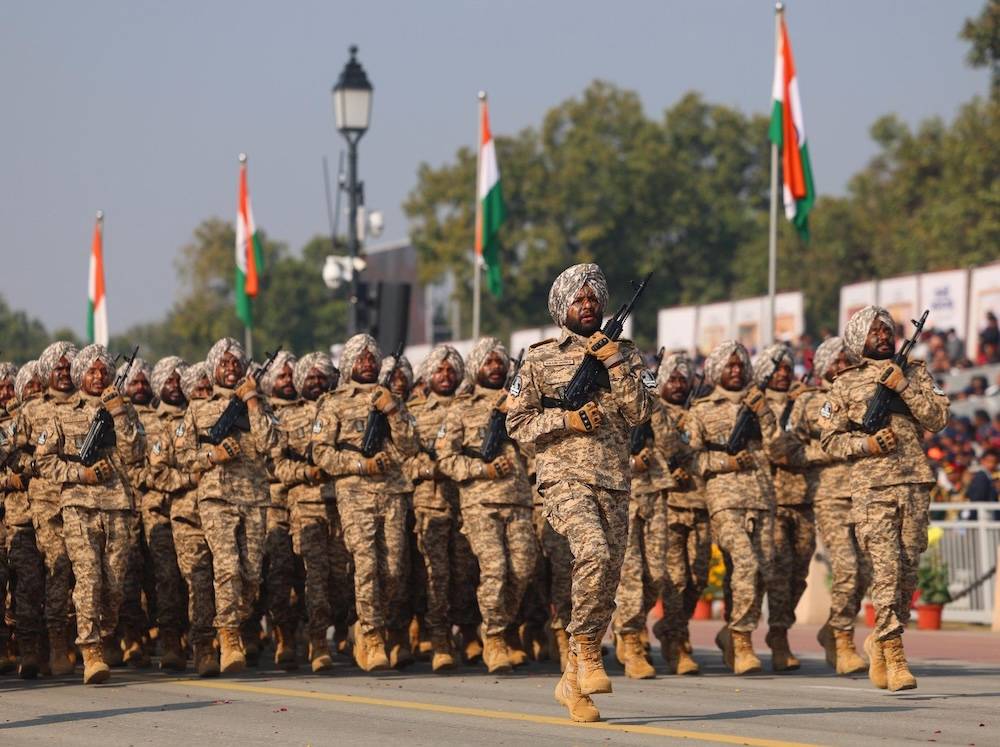
Every year, as India celebrates Republic Day with grandeur along Kartavya Path, thousands of eyes follow the precision and pageantry of marching contingents. Among the many regiments that pass before the President of India, one carries a distinction that few spectators may notice but many within the armed forces deeply respect. The Sikh Regiment, unlike any other, offers two salutes during the parade.
The first is the formal salute to the President of India, the Supreme Commander of the Armed Forces. The second, quieter yet profoundly meaningful, is directed toward Gurudwara Sis Ganj Sahib, a historic shrine located along the parade route in Old Delhi.
This unique tradition dates back to 1979, when Brigadier Gakhal was leading the Sikh Regiment’s contingent during Republic Day rehearsals. As the soldiers marched past the revered gurudwara, he commanded “Dahinay Dekh” — a right turn of the head — instructing the troops to acknowledge the sacred site with a salute. What began as a spontaneous gesture soon became a lasting custom.
Members of the Gurudwara management committee witnessed the moment. On Republic Day itself, they prepared a warm response, welcoming the regiment with showers of rose petals and the powerful Sikh call of “Bole So Nihaal, Sat Shri Akaal.” Since then, the exchange has become a cherished annual ritual — a silent dialogue of respect between the guardians of the nation and a place that embodies sacrifice and spiritual courage.
Gurudwara Sis Ganj Sahib occupies ground of immense historical significance. It stands at the site where Guru Tegh Bahadur, the ninth Sikh Guru, was executed on November 11, 1675, under orders of Mughal Emperor Aurangzeb. Guru Tegh Bahadur refused to abandon his faith and chose martyrdom while defending the right of others — particularly Hindus — to practice their religion freely. His sacrifice is widely regarded as one of the defining moments in India’s long struggle for religious freedom.
Constructed in 1783, the gurudwara serves as a powerful reminder of that legacy. It symbolizes not only the resilience of Sikhism but also the broader Indian ethos of tolerance, pluralism, and moral courage.
For the Sikh Regiment, the second salute is more than a ceremonial gesture. It reflects the regiment’s deep connection to the values of sacrifice, honor, and protection of the oppressed — ideals that echo through both Sikh history and military tradition.
Amid the thunder of marching boots and the brilliance of Republic Day spectacle, this simple act stands out as a moment of quiet reverence. It reminds the nation that behind the uniform lies a living heritage, and behind every parade lies a story of faith, freedom, and the enduring spirit of India.