
AI Generated Summary
- Under the leaked draft, “anti-Muslim hostility” is defined as engaging in or encouraging criminal acts — including violence, property damage, harassment or intimidation — directed at Muslims or those perceived to be Muslim based on religion, ethnicity or appearance.
- It also includes what the draft calls the “racialisation” and prejudicial stereotyping of Muslims as a collective group, as well as discriminatory practices within institutions that disadvantage Muslims in public or economic life.
- He also criticised the inclusion of the term “racialisation”, suggesting it introduces further confusion and could blur the line between race and religion in a way that undermines free speech.
British Sikh and Hindu organisations have urged caution after a leaked draft definition of “anti-Muslim hostility” currently under consideration by the UK government raised concerns about freedom of expression and unintended consequences for minority communities.
Hindu Council UK has written to Communities Secretary Steve Reed, warning that the proposed definition is “deeply flawed” and could have far-reaching implications if formally adopted. The draft was submitted by the government’s Working Group on Anti-Muslim Hatred, which was established in February last year.
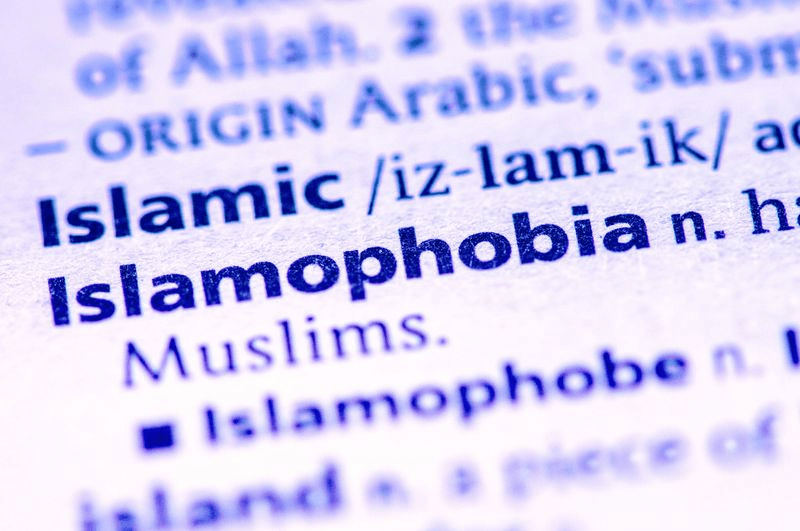
The BBC reported last month that the working group’s proposal notably avoids using the term “Islamophobia”, instead opting for “anti-Muslim hostility”.
In its letter to the Ministry of Housing, Communities and Local Government (MHCLG), Hindu Council UK highlighted a shared concern among Hindu, Sikh, Christian, secular and free-speech organisations: the failure to clearly distinguish between hostility towards Muslims as individuals and legitimate criticism of Islam as a belief system.
The council warned that such definitions are rarely enforced through courts, but instead through institutional policies in universities, local councils, the NHS, workplaces and regulatory bodies, where disciplinary thresholds are significantly lower than legal standards.
“For minority communities such as Hindus and other Dharmic traditions, this presents a serious risk,” the letter stated.
Under the leaked draft, “anti-Muslim hostility” is defined as engaging in or encouraging criminal acts — including violence, property damage, harassment or intimidation — directed at Muslims or those perceived to be Muslim based on religion, ethnicity or appearance.
It also includes what the draft calls the “racialisation” and prejudicial stereotyping of Muslims as a collective group, as well as discriminatory practices within institutions that disadvantage Muslims in public or economic life.
While reiterating that it “unequivocally condemns hatred, violence, intimidation, harassment and unlawful discrimination against Muslims”, Hindu Council UK warned that the language used in the draft is dangerously ambiguous.
The letter expressed particular concern over terms such as “racialisation” and “collective characteristics”, arguing that they risk shielding religious ideas and doctrines from legitimate critique. It stressed that freedom of expression includes the right to challenge and criticise belief systems, noting that open intellectual debate is a core principle within Dharmic traditions, including Sikh philosophy.
Similar concerns were raised by Sikh organisations. Hardeep Singh of the Network of Sikh Organisations (NSO) described the draft definition as “extremely vague” and warned of its potential misuse.
“Although the definition would be non-statutory, it will inevitably be used by councils, universities, employers and, more significantly, the police when determining whether someone has committed a hate crime or even a non-crime hate incident,” Singh said.
He also criticised the inclusion of the term “racialisation”, suggesting it introduces further confusion and could blur the line between race and religion in a way that undermines free speech.
Baroness Shaista Gohir, a member of the government’s working group, defended the draft, telling the BBC that it strikes “the right balance” by protecting individuals while avoiding excessive overreach.
The MHCLG has declined to comment directly on the leaked document, stating only that the government is committed to tackling hatred and extremism in all forms. A spokesperson added that freedom of speech remains a key consideration as ministers review the group’s recommendations.