


AI Generated Summary
- The video interweaves artificial intelligence–generated imagery with real-life footage from the School of Miri Piri Tamil Nadu, highlighting the Sikh tradition of langar and scenes of Tamil and Punjabi Sikhs sharing space and purpose.
- The release coincides with the 350th anniversary of the martyrdom of Guru Tegh Bahadur, the ninth Sikh Guru, remembered for sacrificing his life in defence of religious freedom.
- Written by BDP founder Jeevan Singh, the composition presents Guru Tegh Bahadur as a universal figure who rose against oppression, portraying him as a defender of humanity rather than a leader confined to a single faith.
In a rare moment of cultural convergence, a Tamil political movement has turned to music to honour a towering figure of Sikh history. The Bahujan Dravida Party (BDP) has unveiled what it describes as the first Tamil song devoted entirely to Sikh heritage, offering a tribute that blends history, politics and art across regional and religious lines.
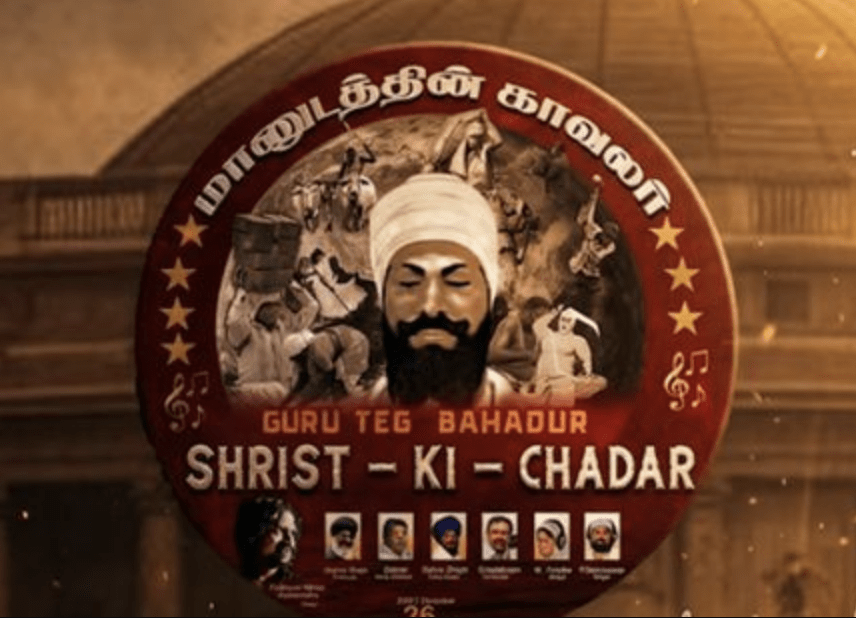
The song, titled “Srishti-Ki-Sadar – Guru Tegh Bahadur,” was released at the Margazhiyil Makkal Isai festival in Chennai, with noted filmmaker Pa Ranjith launching the project. The release coincides with the 350th anniversary of the martyrdom of Guru Tegh Bahadur, the ninth Sikh Guru, remembered for sacrificing his life in defence of religious freedom.
Written by BDP founder Jeevan Singh, the composition presents Guru Tegh Bahadur as a universal figure who rose against oppression, portraying him as a defender of humanity rather than a leader confined to a single faith. The lyrics frame the Guru’s resistance to persecution as a challenge to rigid hierarchies and social injustice, themes that resonate strongly with Dravidian social thought.
Musically and visually, the project adopts a contemporary approach. The video interweaves artificial intelligence–generated imagery with real-life footage from the School of Miri Piri Tamil Nadu, highlighting the Sikh tradition of langar and scenes of Tamil and Punjabi Sikhs sharing space and purpose. Vocals by Pudhuvai Sithan Jayamoorthy, M Faridha and P Samana add a distinctly Tamil sonic identity to the narrative.
Beyond art, the initiative reflects evolving political and social ties between Tamil Nadu and sections of the Sikh community. The BDP has already signalled this connection by nominating seven Tamil Sikh candidates for the 2024 Lok Sabha elections. Many among them were part of the farmers’ protests at the Singhu border in 2021, a movement that forged unexpected solidarities and, for some participants, even led to an embrace of Sikhism.
The song’s launch drew representatives from various Sikh organisations, underscoring the broader significance of the gesture. Speakers at the event described it as a cultural affirmation of shared struggles against inequality and exclusion.
By placing a Sikh Guru at the centre of a Tamil musical tribute, the BDP has attempted something unusual in India’s often segmented cultural landscape. Whether as art, politics or symbolism, the song stands as a marker of dialogue between two traditions united by a common emphasis on dignity, resistance and social equality.