


AI Generated Summary
- In the heart of Pune, a city teeming with students chasing dreams at Savitribai Phule Pune University and competitive exam centres, an unexpected crisis struck.
- It is not charity but a sacred expression of equality and dignity—reminding us that the divine light shines in every human being.
- For outstation students in PGs and hostels, skipping meals or stretching budgets became a daily struggle, threatening both health and focus on studies.
In the heart of Pune, a city teeming with students chasing dreams at Savitribai Phule Pune University and competitive exam centres, an unexpected crisis struck. The LPG shortage, triggered by conflict in West Asia, forced many messes, canteens and tiffin services to shut or skyrocket prices. For outstation students in PGs and hostels, skipping meals or stretching budgets became a daily struggle, threatening both health and focus on studies.
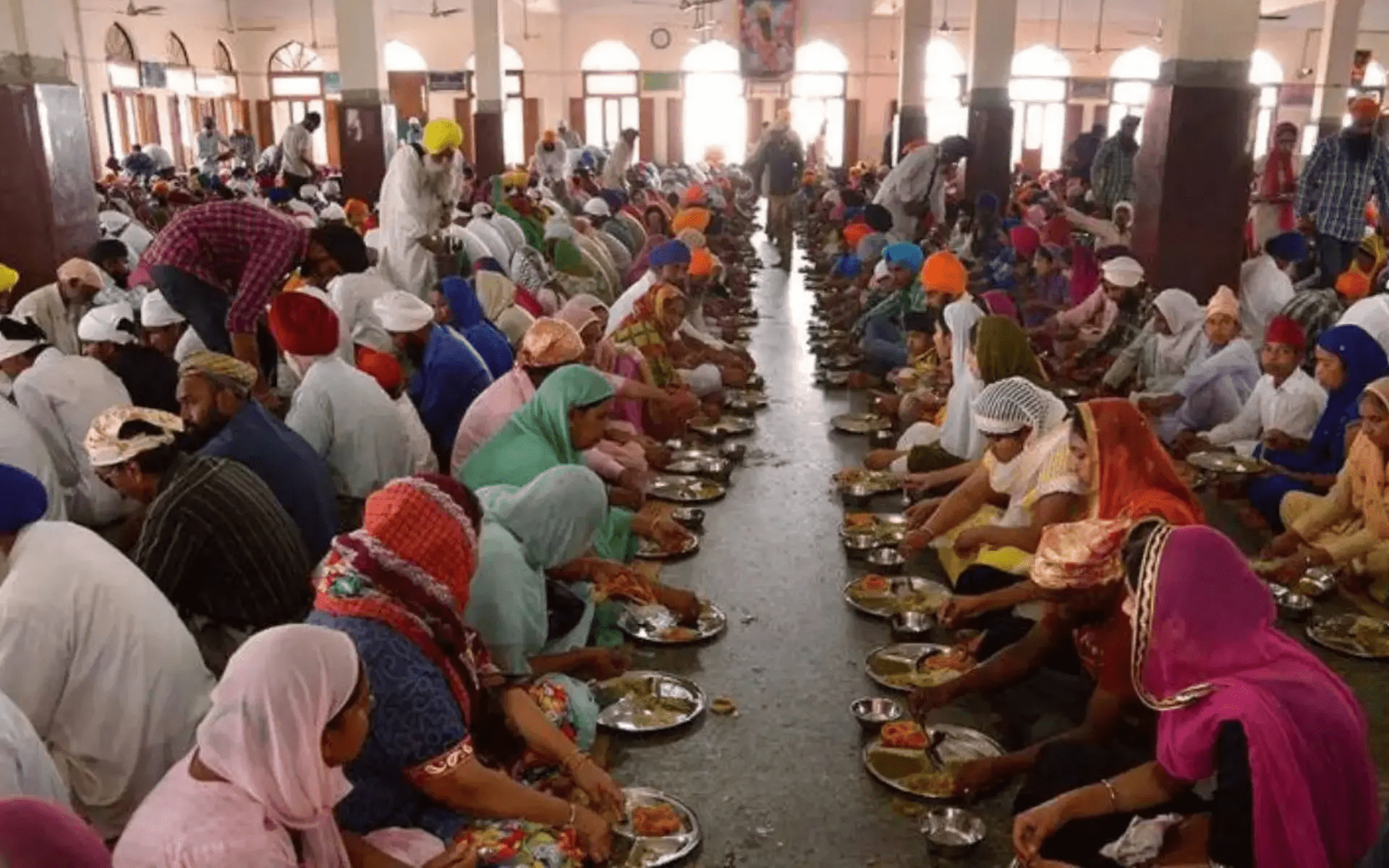
Yet, in this moment of uncertainty, Pune’s Gurdwaras quietly rose to the occasion. Gurudwara Guru Nanak Darbar in Camp, along with those in Khadki and Aundh, declared with unwavering resolve: “No one goes hungry.” They opened their langar halls wider, offering free lunch and dinner to hundreds of students every day.
This is the living spirit of Sikhi—embodied in sewa (selfless service), sangat (community), and langar (community kitchen). Founded by Guru Nanak Dev Ji over 500 years ago, langar breaks all barriers of caste, creed, gender or status. Everyone sits together on the floor as equals and shares a simple, hot vegetarian meal prepared with devotion. It is not charity but a sacred expression of equality and dignity—reminding us that the divine light shines in every human being.
At Guru Nanak Darbar, students now queue for lunch between 12:30 pm and 2:30 pm, and dinner from 8:30 pm to 10 pm. Wholesome meals of dal, roti, rice and vegetables are served with the same warmth given to regular devotees. Many students, some travelling across the city, find not just food but a sense of belonging far from home. Young minds from different states and faiths sit shoulder-to-shoulder, sharing stories and laughter over a plate.
What makes this initiative truly inspiring is the Gurdwaras’ own struggle. They too face severe LPG shortages. Many have simplified menus, rationed gas or even secured alternative connections like piped natural gas to keep kitchens running. Despite constraints, they have prioritised students—reducing regular services where needed. As one manager at Guru Nanak Darbar stated, the commitment is clear: support will continue as long as the crisis lasts.
This reflects the timeless resilience of Sikh tradition. From Guru Amar Das Ji’s inclusive langar to community kitchens that sustained people during wars, partitions and disasters, Sikhs have always responded to hardship with open hands and open hearts. In Pune today, that same spirit sustains a generation of students.
In an era of rising costs and individualism, these Gurdwaras offer a powerful lesson: true spirituality flows into action. Feeding the hungry is not optional—it is worship in motion. No questions asked, no forms filled, no one turned away. Just hot food served with dignity.
For Pune’s students, these langars have become more than kitchens—they are homes away from home, symbols of hope and humanity. As queues form daily, the message rings loud: in the face of crisis, compassion endures.
The Sikhi spirit shines brightest when tested—selfless, inclusive and unwavering. No one goes hungry. Equality on every plate. Service without borders.