


AI Generated Summary
- As the project advances, the sanctum once again shines with the radiance envisioned centuries ago, standing not only as a spiritual centre but as a living monument to Sikh history and artistic excellence.
- Dhami reaffirmed the organisation’s commitment to ongoing conservation, emphasising that both the gold plating and the “minakari” work must be preserved not just as religious heritage, but as unmatched examples of Punjabi artistic craftsmanship.
- The intricate work, which includes both gold plating and the traditional “minakari” enamel inlay, is part of the SGPC’s regular efforts to preserve the sanctum’s original design.
The inner sanctum of the Golden Temple has regained its timeless splendour as the Shiromani Gurdwara Parbandhak Committee (SGPC) completes a major phase of its ongoing conservation project. Restored gold sheets, meticulously cleaned and repaired, have now been reinstalled along the sacred walls, renewing the historic artistry first commissioned during the reign of Maharaja Ranjit Singh.
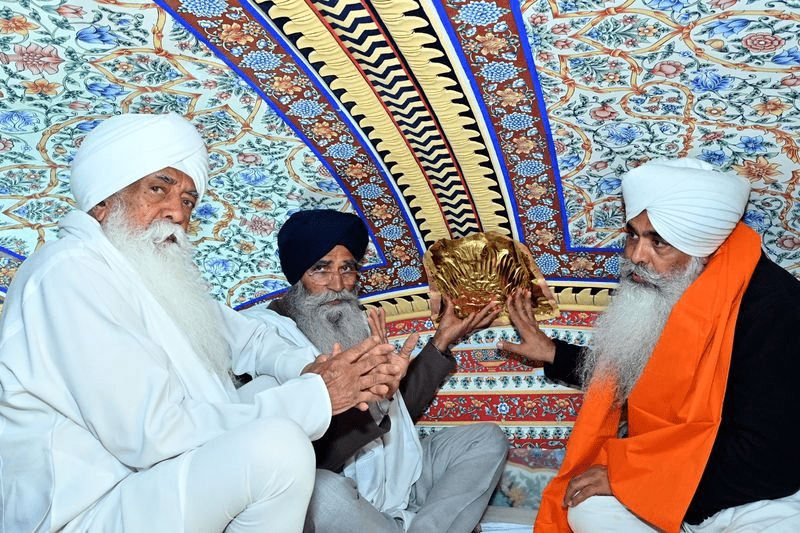
The intricate work, which includes both gold plating and the traditional “minakari” enamel inlay, is part of the SGPC’s regular efforts to preserve the sanctum’s original design. Before any restoration began, the gold sheets were thoroughly photographed and videographed to ensure every motif, engraving and enamel detail could be reproduced with precision.
A team of volunteers from the UK-based Guru Nanak Nishkam Sewak Jatha, led by Mahinder Singh, undertook the delicate conservation. The group has long been associated with maintaining the Golden Temple’s gilded interiors, consistently lending expertise in the cleaning and safeguarding of the sacred structure’s embellishments.
Installation work commenced with a special prayer (ardas) performed by granthi Giani Rajdeep Singh. SGPC president Harjinder Singh Dhami and Jatha leader Mahinder Singh were present to mark the occasion. Dhami reaffirmed the organisation’s commitment to ongoing conservation, emphasising that both the gold plating and the “minakari” work must be preserved not just as religious heritage, but as unmatched examples of Punjabi artistic craftsmanship.
The removal, treatment and reinstatement of the original sheets—a process carried out without altering historic design—reflects a careful balance of reverence and restoration. As the project advances, the sanctum once again shines with the radiance envisioned centuries ago, standing not only as a spiritual centre but as a living monument to Sikh history and artistic excellence.