


AI Generated Summary
- The Jathedar asked for an inquiry, an immediate halt to any works, a heritage examination by the Walled City of Lahore Authority and the archaeology department with Sikh historians and the PSGPC present, and legal protection if the historical claim is established.
- A state that is confident does not convert the cell and well of Guru Arjan into a shrine to the first four caliphs and then treat further alteration as a municipal detail.
- A state that is confident about pluralism does not need a foreign religious seat to ask it to pause a building project on a martyrdom site.
Pakistan’s minority problem is not only violence. It is also the quiet rewriting of other people’s sacred geography.
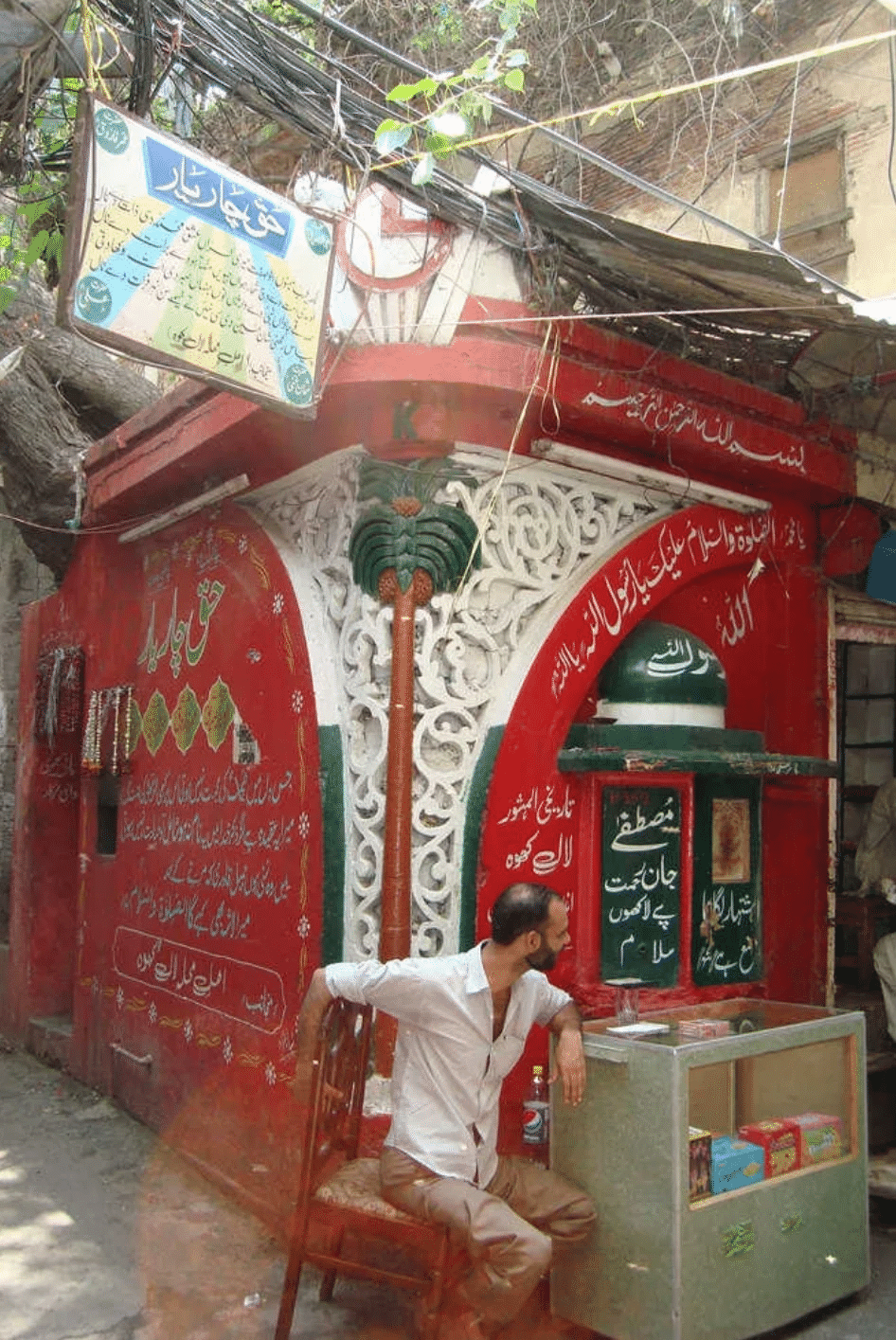
The latest example is Gurdwara Lal Khoohi — Laal Koohi, the “well of blood” — inside Lahore’s Walled City near Mochi Gate. This is not an obscure roadside shrine. Sikh tradition holds that Guru Arjan Dev was imprisoned and tortured here in 1606 in Chandu Shah’s haveli. The well from which he is believed to have drunk and bathed gave the site its name. A gurdwara was later raised over that memory. After 1947 it became the Muslim shrine Haq Char Yaar. That conversion is old. The insensitivity is not finished.
This week, officiating Akal Takht Jathedar Giani Kuldip Singh Gargajj wrote to Pakistan Punjab Chief Minister Maryam Nawaz Sharif, with a copy to minorities minister and PSGPC president Ramesh Singh Arora. The Sikh sangat had reported construction and alteration around Lal Khooh and nearby Kattari Chandu, another site tied to the fifth Guru’s martyrdom. The Jathedar asked for an inquiry, an immediate halt to any works, a heritage examination by the Walled City of Lahore Authority and the archaeology department with Sikh historians and the PSGPC present, and legal protection if the historical claim is established. He also asked for a wider survey of Sikh sites in the Walled City. That is a restrained request. It should not have been necessary.
Pattern, not accident
Pakistan’s official story is that it protects Sikh heritage. Nankana Sahib and Kartarpur are shown to the world. Restoration announcements are issued. A Sikh minister is put on camera. Then, away from the pilgrimage circuit, the rest of the map is treated as leftover real estate.
Lal Khoohi already illustrates the first stage of that process: a site of Sikh martyrdom is recoded as someone else’s shrine. The second stage is more banal and, in some ways, more revealing. Construction begins around what remains. Ownership becomes foggy. Evacuee Trust Property Board, Auqaf, local lessees and private builders talk past one another. By the time a letter arrives from Amritsar, the physical setting has already shifted.
The same summer produced two other files. In Farooqabad, a 125-year-old Gurdwara Singh Sabha was partly demolished by a local businessman without the required clearance. India called it a targeted act of vandalism. Pakistani officials later said adjoining shops, not the shrine itself, were the issue, and restoration was promised. In Quetta, Sikh representatives alleged a historic gurdwara-and-school building on Archer Road was razed for a commercial plaza. Those cases are disputed in the usual way. The dispute itself is the point. Minority heritage in Pakistan is perpetually in a state of “clarification.”
A state that is confident about pluralism does not need a foreign religious seat to ask it to pause a building project on a martyrdom site. A state that is confident does not convert the cell and well of Guru Arjan into a shrine to the first four caliphs and then treat further alteration as a municipal detail. A state that is confident does not manage Sikh and Hindu property through an evacuee bureaucracy designed for abandoned land, then act surprised when communities treat every excavator as a threat.
What “insensitivity” actually means
It does not require a mob with hammers every time. More often it is this:
- Sacred sites of vanished or shrunken communities are treated as vacant lots with a plaque problem.
- Legal title is allowed to drift until a lessee or developer can claim necessity.
- Restoration is reserved for sites that produce diplomacy and tourism. The rest are left to the Walled City’s commercial metabolism.
- When protest arrives from India or from Akal Takht, the reply is process: inquiry, NOC, “not Auqaf land,” “only shops,” “rain damage,” “private property.” Process without urgency is another form of erasure.
Sikhs in Pakistan are few. That is precisely why the test is severe. Majorities do not need letters from across the border to keep their shrines standing. Minorities do. When even a site associated with the first Sikh Guru-martyr can be altered without prior consultation of the community that holds its memory, the message is unambiguous: heritage is protected when it is useful, and expendable when it is not.
Maryam Nawaz’s government has advertised gurdwara restorations. Ramesh Singh Arora is the Sikh face of that effort. The Jathedar’s letter puts that claim on the table. If construction around Lal Khooh and Kattari Chandu is innocent conservation, an inquiry will say so and the work can resume under heritage rules with Sikh participation. If it is incremental commercial or religious overwriting of the site, stopping it now is the minimum.
Pakistan does not lack laws or boards for minority property. It lacks the reflex that a place where Guru Arjan suffered is not a development parcel. Until that reflex exists, every new scaffold in the Walled City will look, to those who remember the well, like the same old indifference — only this time with fresh cement.