


AI Generated Summary
- Through anecdotes and reflections, Vishal Batra describes what it meant to share a life with someone who would eventually become a national icon, and what it meant for the family to lose him at such a young age.
- More than a quarter of a century after the Kargil War, the name of Captain Vikram Batra continues to evoke pride, admiration and a deep sense of national gratitude.
- Through his brother’s account, readers are invited to encounter that legacy anew—not simply as the story of a war hero, but as the story of a remarkable life whose influence continues far beyond the battlefield.
Vishal Batra’s new book revisits the courage, character and enduring legacy of Captain Vikram Batra
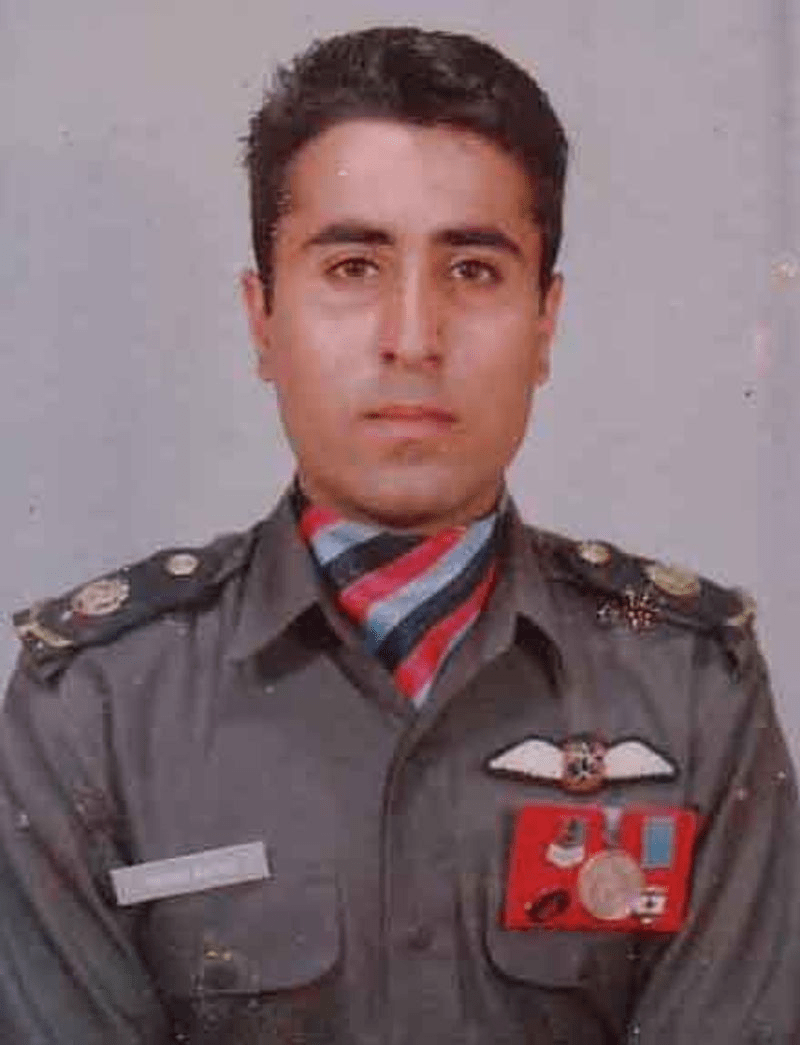
More than a quarter of a century after the Kargil War, the name of Captain Vikram Batra continues to evoke pride, admiration and a deep sense of national gratitude. Awarded the Param Vir Chakra for his exceptional courage, the young Army officer became one of the most recognisable faces of the conflict and an enduring symbol of fearless service.
A new book, Yeh Dil Maange More: Remembering Captain Vikram Batra, My Brother, brings readers closer to the man behind the celebrated military legacy. Written by his identical twin brother, Vishal Batra, in collaboration with author Anupma Mehta, the book offers an intensely personal account of a life remembered not only through acts of battlefield valour, but also through family memories, shared dreams and everyday moments.
Drawing upon Vishal Batra’s recollections, the narrative returns to the brothers’ childhood in Palampur, where they grew up together, developed their ambitions and formed a bond that remained central to their lives. These memories provide a fuller picture of Captain Batra, revealing the affectionate, spirited and determined individual who existed beyond the Army uniform.
The book explores his humour, emotional warmth, sense of responsibility and unwavering commitment to the people around him. It presents his bravery not as an isolated quality displayed during war, but as an extension of the values and conviction that shaped his personality from an early age.
Captain Batra played a decisive role in some of the most challenging operations during the 1999 Kargil conflict. His courage under fire and determination to complete the mission earned him admiration among fellow soldiers and citizens alike. His famous expression, “Yeh Dil Maange More”, came to represent his refusal to be satisfied with anything less than complete success.
However, the book’s emotional strength lies in its movement away from public mythology and towards private remembrance. Through anecdotes and reflections, Vishal Batra describes what it meant to share a life with someone who would eventually become a national icon, and what it meant for the family to lose him at such a young age.
The narrative also considers the lasting impact of Captain Batra’s sacrifice on his comrades, loved ones and the country. His death was a deeply personal loss for those closest to him, but his example became part of India’s collective memory of the Kargil War.
Part memoir and part tribute, Yeh Dil Maange More seeks to preserve both dimensions of his story: the decorated soldier whose courage altered the course of battle, and the son, brother, friend and young man remembered with affection by those who knew him personally.
At a time when memories of war can gradually become reduced to dates, operations and official accounts, the book restores a human voice to history. It reminds readers that behind every act of military heroism stands an individual shaped by family, relationships, hopes and choices.
Captain Vikram Batra’s legacy has long inspired young Indians to consider the meaning of courage, patriotism and sacrifice. Through his brother’s account, readers are invited to encounter that legacy anew—not simply as the story of a war hero, but as the story of a remarkable life whose influence continues far beyond the battlefield.