


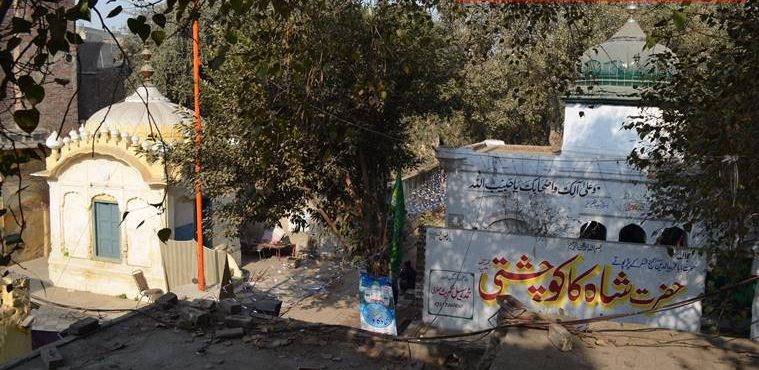
AI Generated Summary
- What is even more concerning is that the Sikh community has repeatedly been assured that efforts are underway to renovate gurdwaras and restore martyrdom sites, but the reality on the ground remains unchanged.
- At the same time, it is important that the international community also pays attention to such issues to ensure the protection and respect of religious sites.
- According to religious leader Parmjeet Singh Veerji, this issue is not just about a religious site, but about the faith, rights, and cultural heritage of a minority community.
The dilapidated condition of historic Sikh gurdwaras and martyrdom sites in Pakistan once again raises serious questions. On one hand, Pakistan projects itself as a well-wisher of Sikhs and invites them to visit their religious shrines; on the other, the ground reality tells a completely different story. The martyrdom site of Shaheed Bhai Taru Singh in Lahore remaining sealed for nearly six years is a glaring example of this contradiction.
This site holds deep religious and historical significance not only for Sikhs in Pakistan but for the global Sikh community. Bhai Taru Singh occupies a revered place in Sikhism. During the Mughal era, he was brutally executed—his scalp was removed—because he refused to convert his faith. Such an unparalleled sacrifice is rarely found in history. His name is remembered in Sikh Ardas, reflecting his eternal place in the faith.
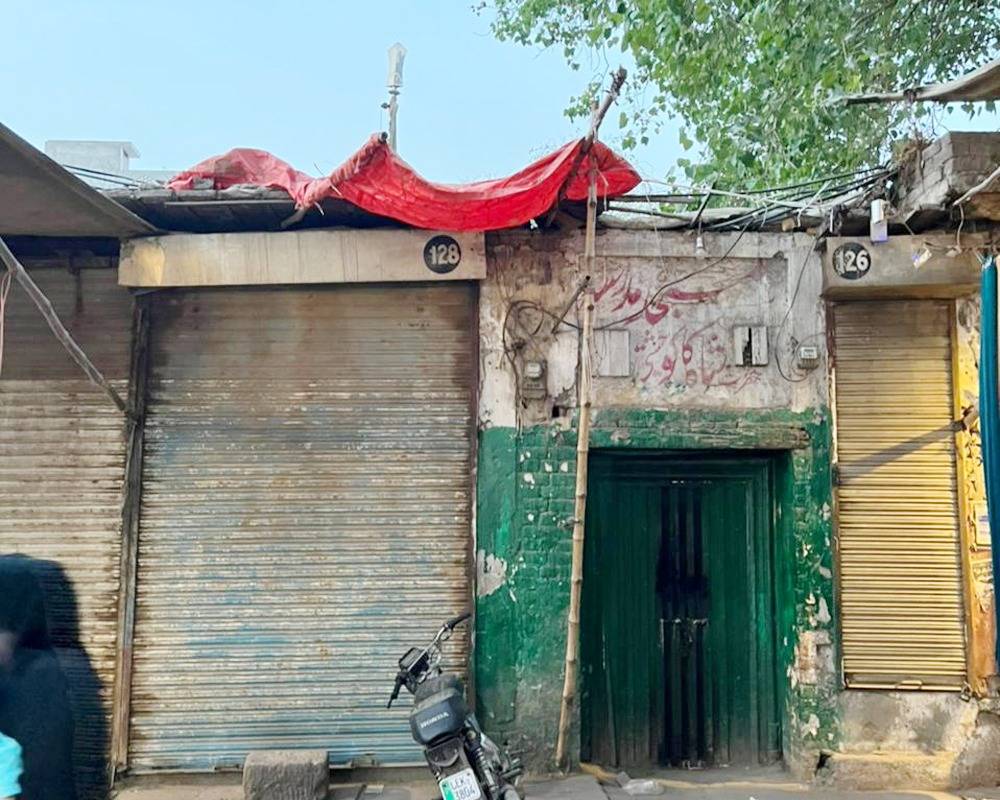
Yet, despite this immense significance, the Evacuee Trust Property Board sealed this sacred site, and no concrete resolution has emerged for years. This reflects a lack of seriousness towards the preservation of religious heritage. What is even more concerning is that the Sikh community has repeatedly been assured that efforts are underway to renovate gurdwaras and restore martyrdom sites, but the reality on the ground remains unchanged.
Due to local disputes and administrative apathy, encroachments around this holy site have increased, with shops and residential structures exerting pressure on the area. As a result, this historic heritage site continues to suffer neglect. The question arises: can it be justified to keep such a sacred place—linked with such sacrifices—closed and poorly maintained?
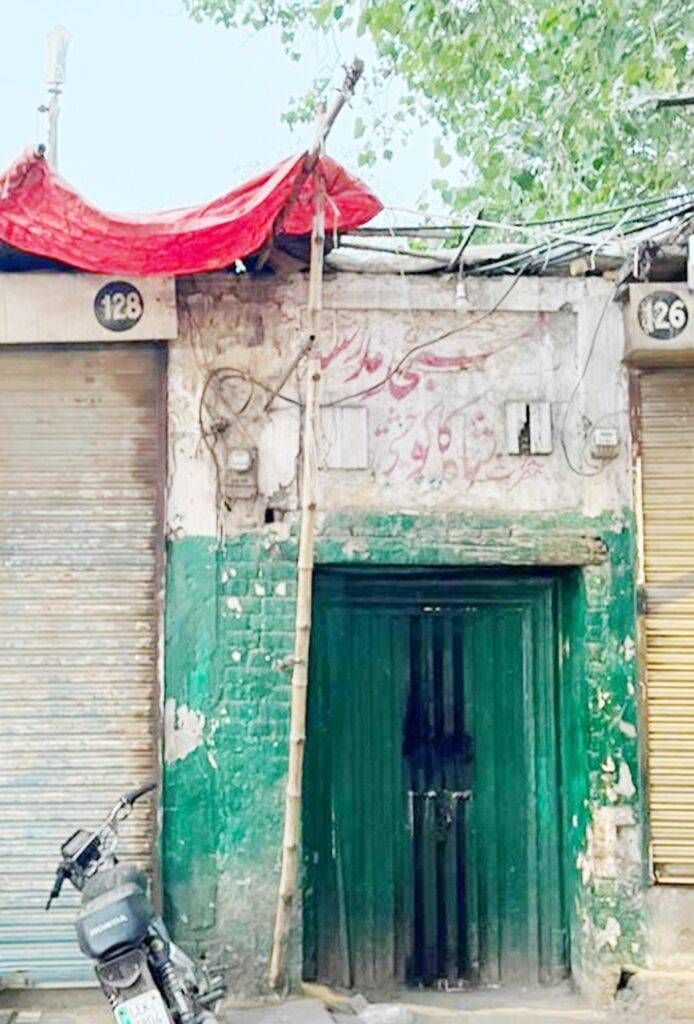
This is not an isolated case. Many other gurdwaras and martyrdom sites in Pakistan are facing similar conditions. According to religious leader Parmjeet Singh Veerji, this issue is not just about a religious site, but about the faith, rights, and cultural heritage of a minority community.
If Pakistan genuinely wishes to demonstrate its commitment to the Sikh community, it must move beyond rhetoric and take concrete action. Sealed martyrdom sites should be reopened immediately, with transparent systems for their preservation and maintenance, and devotees must be allowed unhindered access for darshan.
At the same time, it is important that the international community also pays attention to such issues to ensure the protection and respect of religious sites. Neglecting this sacred legacy of sacrifice is not only an injustice to history but also a denial of identity to future generations.