


AI Generated Summary
- As Indian‑origin products gain easier clearance and preferential duty treatment in the US, agribusinesses can invest more in collection networks, grading, packaging and cold‑chain infrastructure that directly raise farmers’ realized prices at the farm gate.
- Regions that historically tilted toward subsistence‑oriented or low‑price cropping—such as parts of north‑eastern India and small‑scale orchard belt in the north and south—can now repurpose land toward export‑crops with better margin prospects, such as berries, exotic fruits, and niche vegetables, without sacrificing food‑security fundamentals.
- This structured transition reduces the downside for farmers on the volatile margins of feed and oil markets, while preserving the upside of cheaper or more efficient inputs for livestock and poultry when appropriate.
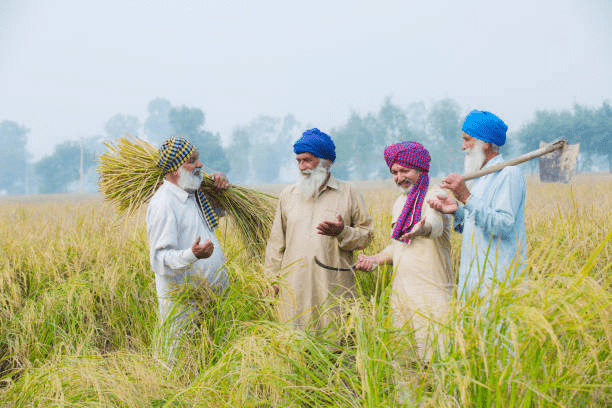
India’s interim trade deal with the United States opens a carefully structured set of opportunities for Indian farmers and the broader agro‑economy, without exposing core staples and dairy to disruptive liberalisation. By shielding wheat, rice, maize, millets, soybean, dairy and poultry from tariff‑cut commitments, the agreement ensures that the mass of smallholder grain and livestock producers retain their domestic‑price firewall while gaining from expanded export space.
The deal materially widens India’s tariff‑free or reduced‑tariff access to one of the world’s largest and most lucrative consumer markets for food and agriculture. Indian exporters already run an agri‑trade surplus with the US, sending diverse products such as spices, processed foods, basmati rice, cut flowers, and value‑added vegetable and snack foods, which now benefit from lower or zero‑rate duties in key categories. This creates higher‑margin, more stable outlets for output that otherwise often faces saturated or volatile domestic prices.
For cash‑crop and horticulture growers—turmeric, cardamom, chillies, ginger, mango, pomegranate, and specialty vegetables—preferential access means better cash‑flow resilience and the ability to invest in quality, certification, and post‑harvest infrastructure. As export schedules turn into firm contracts, farming regions that have adequate connectivity and processing nodes can absorb more output into premium‑price chains, strengthening farm‑income beyond subsistence levels.
Protected staples, targeted inputs
Because the schedule explicitly excludes sensitive cereals, soybean, cotton, fuel‑linked commodities, and nearly all dairy and meat products, Indian farmers are not forced to compete against large‑scale, subsidy‑backed US staples flooding Indian markets overnight. Where liberalisation does occur—such as on soybean oil, certain feed inputs, and specific fruit and nut lines—the changes are calibrated, gradual, and limited to niches that mainly affect animal‑feed industries and oil‑seed processing rather than directly undercutting primary producers of foodgrains.
At the same time, phased adjustment windows and multi‑year timelines for any tariff reductions give domestic value chains time to recalibrate feed‑mixes, reformulate processing strategies, and diversify sourcing without facing abrupt price shocks. This structured transition reduces the downside for farmers on the volatile margins of feed and oil markets, while preserving the upside of cheaper or more efficient inputs for livestock and poultry when appropriate.
Higher‑value export niches and diversification
The deal strengthens India’s position in high‑quality, high‑value agri‑exports—spices, organic produce, ready‑to‑eat meals, processed fruits and vegetables—where Indian farmers often already hold a competitive edge in productivity and cost. As Indian‑origin products gain easier clearance and preferential duty treatment in the US, agribusinesses can invest more in collection networks, grading, packaging and cold‑chain infrastructure that directly raise farmers’ realized prices at the farm gate.
Regions that historically tilted toward subsistence‑oriented or low‑price cropping—such as parts of north‑eastern India and small‑scale orchard belt in the north and south—can now repurpose land toward export‑crops with better margin prospects, such as berries, exotic fruits, and niche vegetables, without sacrificing food‑security fundamentals. This spatial and crop‑mix rebalancing increases both farm incomes and long‑term resilience to climate and price volatility.
Encouraging better domestic value chains
The upward pressure created by export‑oriented schedules encourages India to strengthen warehousing, quality‑assurance, traceability and logistics for agricultural produce. Modern warehouse‑receipt systems, cluster‑level processing units, and farmer‑producer organisations gain greater justification when global‑quality standards and timely shipment become critical to capturing preferential US access.
Farmers exposed to this upgrading cycle not only benefit from higher selling prices per unit, but also from reduced spoilage, more transparent contract‑farming arrangements and diversified market options that move them away from sole dependence on monsoon‑driven domestic releases and MSP‑driven procurement. Over time, this can dilute structural over‑reliance on a few crops and create multiple income‑streams—such as dairy, fruits, vegetables and pulses—within the same household cropping quilt.
Innovation, standards, and long‑term competitiveness
Integration with stringent US food‑safety, labelling and phyto‑sanitary requirements pushes Indian farming toward more precise use of inputs, better residue management, and stricter on‑farm quality controls. While demanding, these standards act as a catalyst for technical upgrading that can improve yields, stability and returns in the medium run.
In parallel, the engagement with American regulations fosters greater transparency in certification systems, which in turn boosts consumer trust for Indian‑brand exports worldwide, not only in the US but also in Europe and Asia. For Indian farmers whose produce already fits these high‑quality niches—be it specialty rice, medicinal plants, or herbal ingredients—the agreement helps secure a steady, forward‑looking demand base rather than leaving them vulnerable to short‑term tariff shifts elsewhere.
In sum, the India–US trade framework is constructed to tilt gains toward Indian producers by protecting sensitive staples, expanding preferential access for value‑added and export‑oriented agriculture, and encouraging investment in infrastructure and standards that raise realized farm returns. While it shifts competitive dynamics in certain input and feed segments, its core design supports diversification, value‑chain sophistication, and long‑term income growth for farmers who can plug into the export‑oriented segments it unlocks.