


AI Generated Summary
- By slashing US tariffs on Indian goods to 18% (from levels as high as 25-50% in recent impositions), the agreement provides Indian exporters a competitive edge over rivals like China, Vietnam, and Bangladesh.
- While full details are still emerging—including India’s commitments to reduce barriers on US goods, boost purchases of American products (potentially up to $500 billion in energy, technology, and agriculture), and shift away from Russian oil—the deal’s implications extend far beyond national headlines.
- The recent US-India trade deal, announced on February 2, 2026, by US President Donald Trump following discussions with the Indian Prime Minister Narendra Modi, marks a significant reset in bilateral economic ties.
The recent US-India trade deal, announced on February 2, 2026, by US President Donald Trump following discussions with the Indian Prime Minister Narendra Modi, marks a significant reset in bilateral economic ties. By slashing US tariffs on Indian goods to 18% (from levels as high as 25-50% in recent impositions), the agreement provides Indian exporters a competitive edge over rivals like China, Vietnam, and Bangladesh. While full details are still emerging—including India’s commitments to reduce barriers on US goods, boost purchases of American products (potentially up to $500 billion in energy, technology, and agriculture), and shift away from Russian oil—the deal’s implications extend far beyond national headlines.
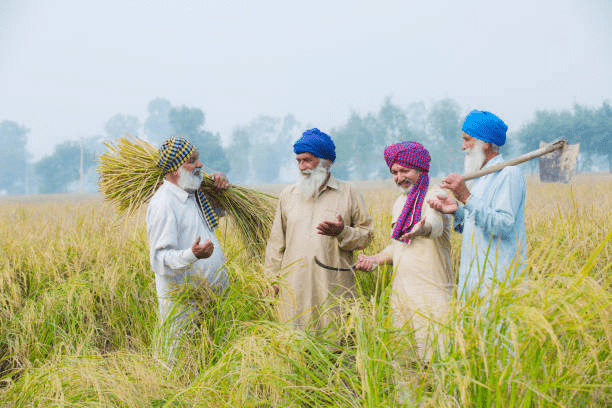
For Punjab, India’s breadbasket and a state whose economy remains deeply rooted in agriculture, this pact offers tangible opportunities amid ongoing challenges like agrarian distress, groundwater depletion, and the need for crop diversification. Punjab’s farmers and agro-industries stand to gain in several key ways.
First, the tariff reduction opens the vast US market more accessibly to Punjab’s signature exports. Basmati rice, a flagship product from the region, has long faced higher duties in the US. With tariffs dropping to 18%, exporters in Punjab—home to much of India’s premium basmati production—could see boosted demand, higher prices, and expanded volumes. Rice exporters have already welcomed the move, noting it could revitalize shipments that were previously constrained. This directly benefits farmers in districts like Amritsar, Tarn Taran, and Kapurthala, where basmati cultivation supports livelihoods for lakhs of families.
Beyond rice, Punjab’s agro-processing sector—encompassing processed foods, spices, and value-added products—gains momentum. Lower export barriers encourage investment in modern milling, packaging, and certification to meet US standards, creating jobs in rural areas and reducing post-harvest losses. The deal’s emphasis on bilateral trade growth could attract US partnerships in food technology, helping Punjab shift from traditional wheat-paddy cycles toward high-value crops like fruits, vegetables, and organics that fetch premium prices abroad.
Indirectly, the agreement strengthens Punjab’s position in national supply chains. As India ramps up “Buy American” commitments in agriculture (with US officials highlighting greater exports of farm products to India’s market), reciprocal benefits could flow. While concerns exist about increased US agricultural imports potentially pressuring local farmers, the deal includes only “some” agri products from India, suggesting safeguards for sensitive sectors. Punjab’s robust farming lobby and state policies can push for protections, ensuring the focus remains on outbound opportunities rather than import floods.
Economically, Punjab could see ripple effects: stronger export revenues improve farm incomes, reduce debt burdens, and fuel rural consumption. Combined with existing initiatives like crop diversification drives and GI-tagged products, this trade thaw positions Punjab to capture a larger share of global agro-markets. It aligns with “Make in India” by encouraging agro-industries to scale up for exports.
Of course, realization depends on implementation—detailed annexures, compliance with US regulations, and state-level support for exporters. Yet the deal’s immediate market access boost is a welcome tonic for Punjab’s agrarian economy, long in need of new avenues beyond domestic MSP frameworks.
In an era of geopolitical realignments, this US-India partnership not only counters external pressures but delivers concrete gains. For Punjab’s farmers, the 18% tariff line could translate into higher yields not just in fields, but in prosperity and opportunity. The road ahead requires vigilant negotiation to maximize benefits while shielding vulnerabilities, but the foundation laid this week points toward a more integrated, export-oriented future for the state.
