


AI Generated Summary
- When scanned with a smartphone, the code instantly reveals details such as where and when the food was processed, the methods used and the farmer or unit responsible for it.
- In such situations, simple digital solutions like QR codes can make a real difference,” said Preeti, a scientist with the Department of Processing and Food Engineering at Punjab Agricultural University (PAU), Ludhiana.
- What began as an experiment in food processing and traceability is fast emerging as a practical tool to improve incomes, ensure transparency and reduce dependence on middlemen.
Punjab’s farmers are stepping beyond traditional agriculture and entering the digital marketplace, using QR codes to give their produce a distinct identity and a direct connection with consumers. What began as an experiment in food processing and traceability is fast emerging as a practical tool to improve incomes, ensure transparency and reduce dependence on middlemen.
For today’s farmer, cultivation is only part of the job. Selling produce at fair prices—either at the farm gate or in local markets—has become equally important. In crowded marketplaces where quality is hard to verify, farmers often struggle to differentiate their products from mass-produced or adulterated goods. Digital tools are now helping bridge this gap.
“Consumers frequently find it difficult to identify genuine, high-quality food products. In such situations, simple digital solutions like QR codes can make a real difference,” said Preeti, a scientist with the Department of Processing and Food Engineering at Punjab Agricultural University (PAU), Ludhiana.
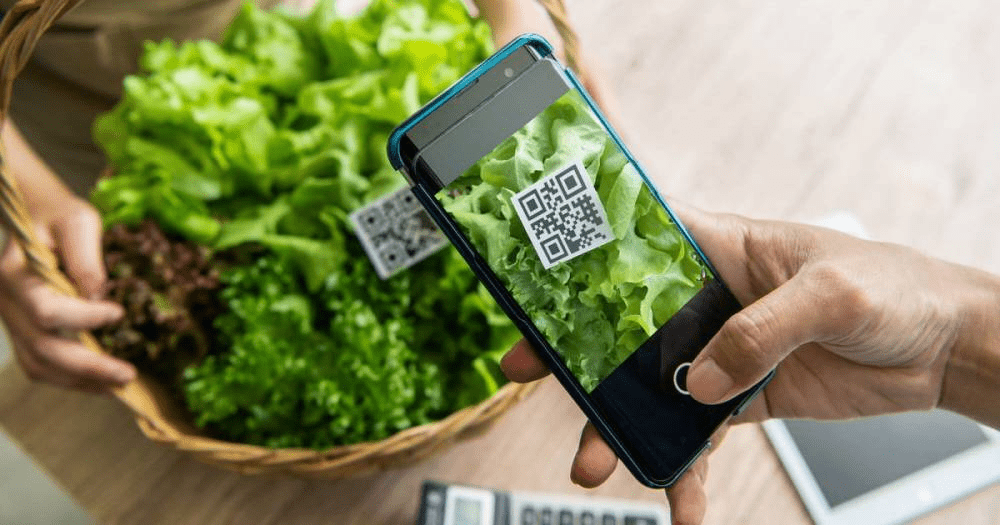
Under this initiative, farmers print QR codes on packets of wheat flour, rice, jaggery, turmeric and other value-added products. When scanned with a smartphone, the code instantly reveals details such as where and when the food was processed, the methods used and the farmer or unit responsible for it. This not only builds trust but also gives consumers confidence about what they are buying.
According to Gurveer, also from the same department, the strength of QR codes lies in their ability to store extensive information in a very small space. “They are simple to use but extremely powerful in terms of the data they can carry,” he explained.
A study conducted at the Agro Processing Complex at PAU demonstrated the effectiveness of this approach. Products including jaggery made from sugarcane, besan from chana dal, turmeric powder, rice and wheat flour were tagged with QR codes. All relevant product information was first compiled digitally and stored on a cloud platform. The data link was then converted into a QR code and printed on the packaging.
Researchers found that the system offers multiple benefits with minimal requirements—just a smartphone and an internet connection. Farmers can command better prices by establishing credibility, protect their products from adulteration or counterfeiting and provide easy access to certifications such as food safety registrations or geographical indication tags.
“By linking cloud-based product data with QR codes, farmers and small processors can ensure transparency from farm to plate,” Preeti and Gurveer noted. “This helps strengthen local brand identity and reduces the role of intermediaries.”
Importantly, the system is affordable and adaptable. Individual farmers, farmer producer organisations, self-help groups and village-level processing units can all adopt it. Trained rural youth can also take it up through skill development centres, opening new avenues for employment.
As digital tools make deeper inroads into agriculture, QR codes are proving that even simple technology can bring meaningful change—empowering farmers, informing consumers and reshaping how food moves from fields to plates.