


AI Generated Summary
- “By God’s grace, I have buyers from Punjab, Delhi, Chandigarh and even Bihar,” he says, reflecting on how technology has reshaped livelihoods in the Valley.
- Against the shimmering waters of Dal Lake or the lush gardens of Nishat Bagh, embroidered shawls, purses and cushion covers are displayed not just as products, but as stories woven into fabric.
- Kashmiri shopkeepers, long dependent on seasonal tourism, are opening a vibrant new window for the people of Punjab into Kashmir’s rich textile traditions by embracing e-commerce and social media platforms.
What once required a journey to the snow-clad Valley is now just a click away. Kashmiri shopkeepers, long dependent on seasonal tourism, are opening a vibrant new window for the people of Punjab into Kashmir’s rich textile traditions by embracing e-commerce and social media platforms.
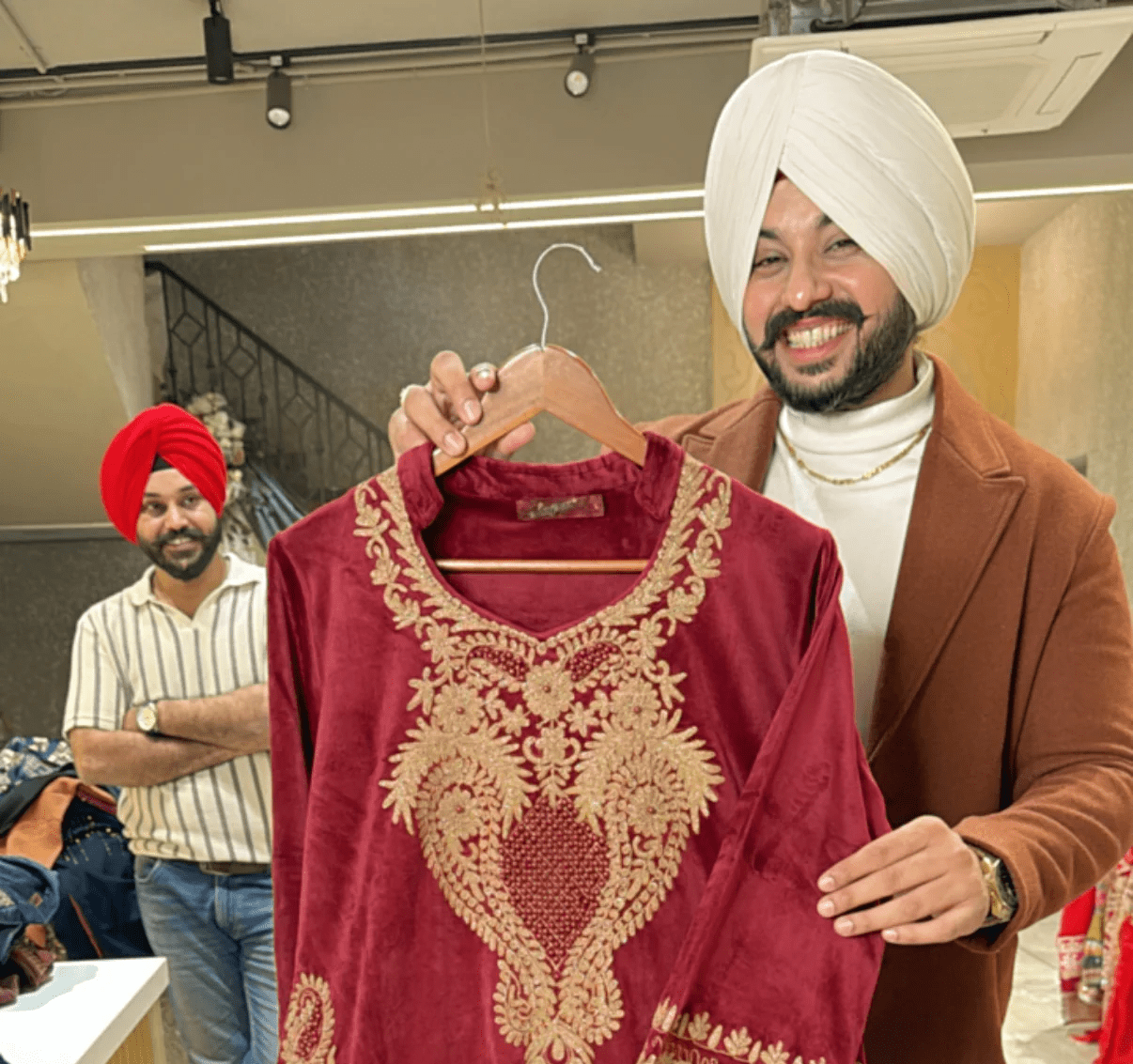
Across Punjab, women are increasingly adorning iconic pherans and delicately embroidered Kashmiri shawls, garments that carry the warmth and artistry of the Valley. Digital marketplaces have bridged geographical distances, transforming commerce into a form of cultural exchange. Through mobile screens and online storefronts, Kashmir’s heritage now reaches Punjabi homes with ease, enthusiasm and pride.
Adding creativity to their outreach, many Kashmiri sellers have adopted novel ways of showcasing their products. Videos shot at famed tourist destinations have become a powerful tool. Against the shimmering waters of Dal Lake or the lush gardens of Nishat Bagh, embroidered shawls, purses and cushion covers are displayed not just as products, but as stories woven into fabric. The scenic backdrops lend authenticity and charm, turning marketing into an immersive cultural experience.
Safeena Naaz, who has been selling Kashmiri products online for the past three years, says the shift to digital platforms has steadily expanded her business. “Earlier, we relied mostly on tourists visiting Kashmir. Now, through online sales, our reach is much wider,” she says.
Riyaz Ahmed shares a similar journey. Starting with an Instagram account and a few WhatsApp groups, he now caters to customers across North India. “By God’s grace, I have buyers from Punjab, Delhi, Chandigarh and even Bihar,” he says, reflecting on how technology has reshaped livelihoods in the Valley.
While the pheran remains the most recognisable garment, sellers are diversifying their collections to meet changing tastes. Embroidered bags, purses, cushion covers and curtains are gaining popularity, especially among younger buyers. Carefully filmed videos from outdoor locations highlight not only the craftsmanship, but also the cultural heritage stitched into every piece.
For many in Punjab, these platforms have opened new fashion avenues. City resident Mandeep Grewal recalls how her mother once bought a pheran during a family trip to Kashmir. “I wanted to wear them in my own way, pairing them with jeans,” she says. “Online platforms made it possible. Today, I own pherans in at least ten colours, and they are available at reasonable prices.”
Another local, Prerna, speaks of her love for handwoven and embroidered textiles from across India. “From Lucknow’s chikankari and Bengal’s tant sarees to Kashmiri pherans, my wardrobe reflects India’s diversity,” she says. For her, collecting traditional textiles goes beyond fashion; it is a celebration of the country’s many crafts.
The growing online presence of Kashmiri shopkeepers is not just a commercial success story. It is a narrative of connection and exchange. By blending tradition with technology, they have brought the Valley’s artistry into everyday life far beyond its borders. Each embroidered shawl, each pheran, carries with it a piece of Kashmir’s story—now woven seamlessly into Punjab’s cultural fabric.