


AI Generated Summary
- The products are currently available at the Department of Microbiology in 200 ml, 500 ml and one-litre bottles, priced at Rs 60, Rs 130 and Rs 250 respectively.
- The initiative comes at a time when households and workplaces are reassessing their dependence on harsh disinfectants, a trend that surged sharply during and after the Covid-19 pandemic.
- In a move that could reshape everyday cleaning habits, Punjab Agricultural University has launched a new range of bioenzyme-based home-care products designed to deliver effective cleaning without the health and environmental concerns associated with conventional chemical cleaners.
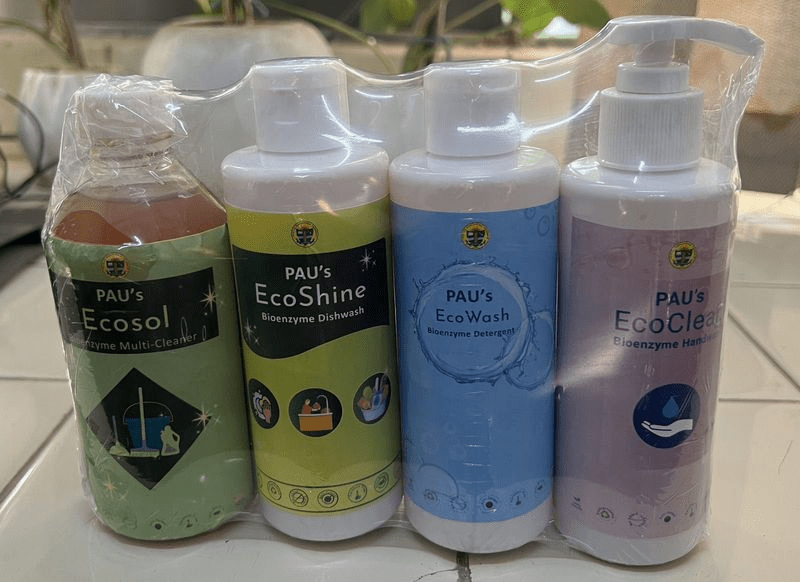
In a move that could reshape everyday cleaning habits, Punjab Agricultural University has launched a new range of bioenzyme-based home-care products designed to deliver effective cleaning without the health and environmental concerns associated with conventional chemical cleaners.
The initiative comes at a time when households and workplaces are reassessing their dependence on harsh disinfectants, a trend that surged sharply during and after the Covid-19 pandemic. While chemical cleaners promised protection, growing evidence has raised questions about their long-term impact on human health and ecosystems.
The newly introduced handwash, dishwash and liquid detergent from Punjab Agricultural University are formulated entirely from organic ingredients. University scientists say the products are biodegradable, free from parabens and synthetic irritants, and break down naturally after use—reducing chemical load in homes, drains and surrounding environments.
At the heart of the formulations is a citrus bioenzyme developed by the university and earlier released as PAU EcoSol. Produced through the fermentation of kinnow peels and organic matter, the bioenzyme contains naturally occurring enzymes, organic acids and metabolites that loosen grease, lift dirt and even aid in clearing clogged drains. Researchers refined the original solution to improve thickness and foaming—features that often determine consumer acceptance—making the new products more practical for everyday use.
The cleaners combine traditional and modern natural inputs: soapnut for cleansing action, cocoglucoside as a mild surfactant, xanthan gum to enhance viscosity and essential oils for fragrance. Together, these components aim to match the performance of chemical cleaners while remaining gentle on skin, fabrics and cookware.
Health concerns surrounding frequent exposure to chemical agents such as quaternary ammonium compounds, artificial fragrances, alcohol-based disinfectants and bleach have been mounting. Various studies have linked prolonged exposure to respiratory irritation, inflammatory responses and metabolic disruptions, particularly among cleaning staff and individuals using such products daily. Against this backdrop, the university’s research-backed enzyme formulations seek to fill a noticeable gap in the market.
Speaking on the broader implications, Vice-Chancellor Dr Satbir Singh Gosal highlighted the environmental and economic potential of the technology. By converting citrus waste into valuable cleaning products, the initiative supports waste reduction and opens doors for rural and small-scale entrepreneurship. The university has made the technology available for commercialisation, encouraging interested entrepreneurs to explore manufacturing opportunities.
The products were developed under the guidance of Dr Urmila Gupta, Principal Scientist and Head of the Department of Microbiology, who emphasised the use of safe, locally available raw materials. She noted that the formulations are shelf-stable, easy to use and designed to minimise chemical exposure for families.
According to Dr Gupta, the cleaners are highly concentrated. A pea-sized quantity of handwash is sufficient for routine use, while about 20 millilitres of detergent mixed in 10 litres of water can wash a full load of clothes. For dishwashing, 5 millilitres diluted in water handles everyday utensils, with tougher grease manageable through direct application.
The products are currently available at the Department of Microbiology in 200 ml, 500 ml and one-litre bottles, priced at Rs 60, Rs 130 and Rs 250 respectively. With this launch, households now have access to a cost-effective, biodegradable alternative that aligns cleanliness with health and sustainability.