


AI Generated Summary
- Though support for Khalistan is non-existent in India, a handful of these miscreants have found safe havens abroad, particularly in Canada and now, increasingly, the UK.
- He fled India in 1994, evading authorities, and settled in the UK, where he was granted political asylum in 2000.
- In 2010, UK police arrested him on suspicion of involvement in a Punjab murder, though he was released after counter-terrorism investigators found insufficient evidence to charge him.
A recent Guardian article paints a sympathetic portrait of Paramjeet Singh Pamma, portraying him as a victim of alleged transnational repression by India. This narrative is not just misleading, it’s utter nonsense. Far from being an innocent activist, Pamma is a figure long associated with Khalistani militancy, accused of serious crimes including bombings and murders. By advising him to bolster his home security and granting him asylum, the UK appears to be emulating Canada’s troubling pattern of shielding extremists under the guise of protecting free speech. This shift raises alarming questions: Is the UK prioritizing political alliances and diaspora votes over global security and justice?
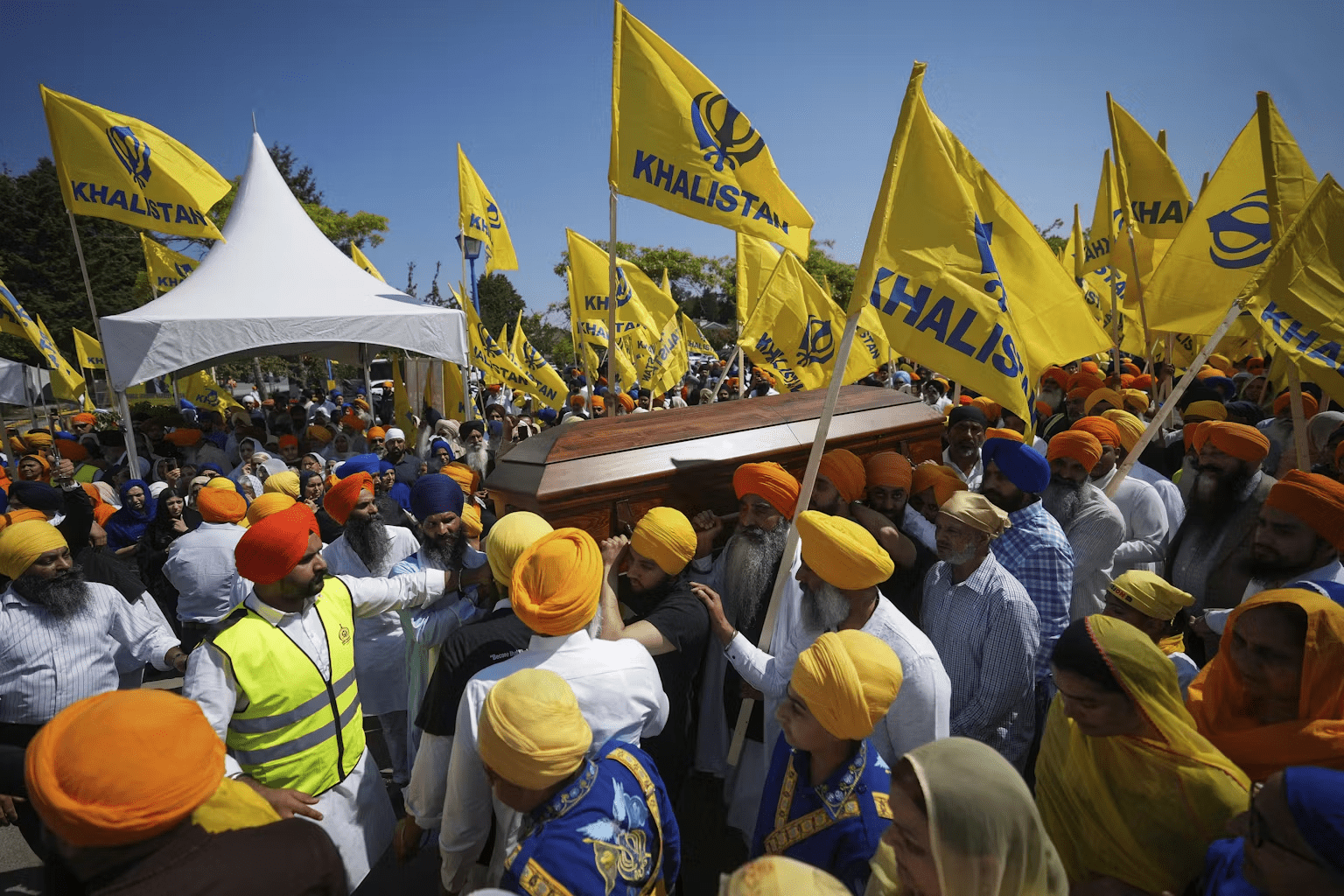
To understand the absurdity of The Guardian’s framing, we must first delve into the Khalistan movement’s dark history. The deadliest act perpetrated by Khalistan extremists was the 1985 bombing of Air India Flight 182, killing 329 people, mostly Canadian citizens. Though support for Khalistan is non-existent in India, a handful of these miscreants have found safe havens abroad, particularly in Canada and now, increasingly, the UK.
Enter Paramjeet Singh Pamma, the so-called “activist” at the center of The Guardian’s story. Born in Punjab’s SAS Nagar district, Pamma’s early life was marred by involvement in petty crimes starting around 1992. He fled India in 1994, evading authorities, and settled in the UK, where he was granted political asylum in 2000. But Pamma is no ordinary refugee. Indian authorities have labeled him a Khalistani militant and member of the Khalistan Tiger Force (KTF), a banned terrorist organization. He is wanted for heinous crimes, including bombings, murders, and arms smuggling. In 2010, UK police arrested him on suspicion of involvement in a Punjab murder, though he was released after counter-terrorism investigators found insufficient evidence to charge him. Similarly, in 2015, Portugal detained him on a Red Corner Notice for terrorism charges, but the case was dismissed.
Pamma’s “ill deeds” extend beyond mere accusations. He has been linked to Babbar Khalsa International (BKI), the group behind the Air India bombing. He is a key fundraiser for BKI, channeling money for violent activities. A 2021 India Today investigation placed him among nine top Khalistani masterminds operating from five countries, orchestrating terror plots in India. Another sting operation exposed his ties to Chinese intelligence, suggesting he wields foreign connections to undermine India. Pamma denies these links, calling them “fake propaganda,” but the pattern is clear: He has evaded justice while promoting the Khalistan Referendum Campaign, a Sikhs for Justice (SFJ) initiative. SFJ, led by Gurpatwant Singh Pannun, another extremist, has close ties with Pamma.
The Guardian article conveniently glosses over this backstory, focusing instead on Pamma’s claims of threats from “Hindu nationalists.” He alleges harassment, including broken car windows and armed visits, but UK police investigations yielded no charges. Meanwhile, Pamma lives separately from his family for “safety,” echoing tactics used by other militants to evade scrutiny. This victim narrative ignores how Khalistani elements have themselves incited violence, such as the 2023 attack on India’s London High Commission by pro-Khalistan protesters.
Now, compare this to Canada, which has long been criticized as a “safe haven for terrorists.” Home to the world’s largest Sikh diaspora, Canada has sheltered figures like Hardeep Singh Nijjar, a KTF leader killed in 2023. Nijjar was wanted in India for multiple murders and bombings, yet Canada granted him citizenship and ignored extradition requests. A 2025 Canadian intelligence report even acknowledged Khalistani extremists using the country as a base to target India, often with Pakistani backing. Former Prime Minister Justin Trudeau’s government had defended these elements, prioritizing Sikh votes in ridings like Brampton over diplomatic ties. The result? Strained India-Canada relations, and increasing crimes and safety concerns in Canada.
The UK seems poised to repeat this mistake. Although India and the UK sealed a major trade deal in 2025. Yet, some actions are contrasting: Pamma’s asylum, the dismissal of charges, and now police protection signal a soft stance. MI5 has noted a 48% rise in state threat investigations since 2022, but this hasn’t translated to cracking down on Khalistani networks. Instead, the UK risks legitimizing extremists, as warned in parliamentary evidence.
Such protectionism for extremists has dire implications. It emboldens terrorism, strains global alliances, and endangers innocents. Khalistani extremism isn’t hypothetical; the numerous terror acts and violence perpetrated in the name of Khalistan speak volumes. The UK must choose: Prioritize justice by extraditing wanted militants like Pamma, or follow Canada’s path into diplomatic isolation, and ultimately hurting national interests?
